
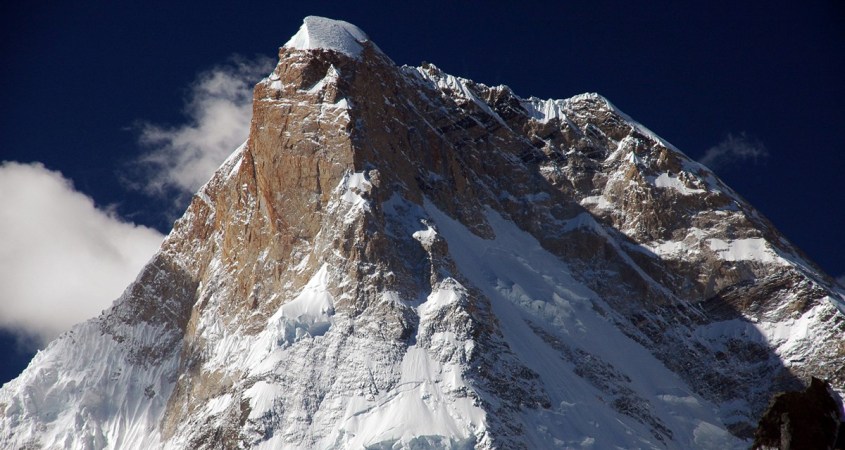
Science requires testable, repeatable, predictable results as the gold-standard proof of any theory. Today, I want to present another set of testable, repeatable, predictable results from Electric Geology as proof that shockwaves and supersonic winds formed Earth’s mountains during a period when plasma storms raged in the atmosphere.
Shockwaves, supersonic, dusty-plasma winds and how they made non-volcanic mountains and mountain ranges has been examined many times previously, so rinse and repeat, before we dive into the newest discovery, let’s briefly recap the repeatable, testable proofs previously given in several articles, including: “The Shocking Truth” and “When Plasma Storms Engulfed the Earth“:
- Iron meteors were presented as physical proof that shockwave separation bubbles form tetrahedral “dunes” – Figure 1a.
- Mountain formations were presented as physical proof they are identical in specific detailed form to shockwave “separation bubbles” and “Lambda structures” – Figures 1, b and c.
- Harmonic formations were presented as physical proof they were caused by sonic waves – Figure 1d.
- “Lambda foot”, or “Y”-shaped pressure sinks imbedded in mountains, a feature particular to a specific region of a shock wave, were presented – Figures 1, e and f.
- “Prandtl-Meyer expansion fans”, another geometry specific to supersonic winds were shown to be present in mountains – Figures 1, i and j.
- Several examples where a variety of features specific to shock waves, including some of the aforementioned, as well as others, appear together in mountain ranges in the exact physical context of a supersonic wind formation, as in Figure 1, g and h.
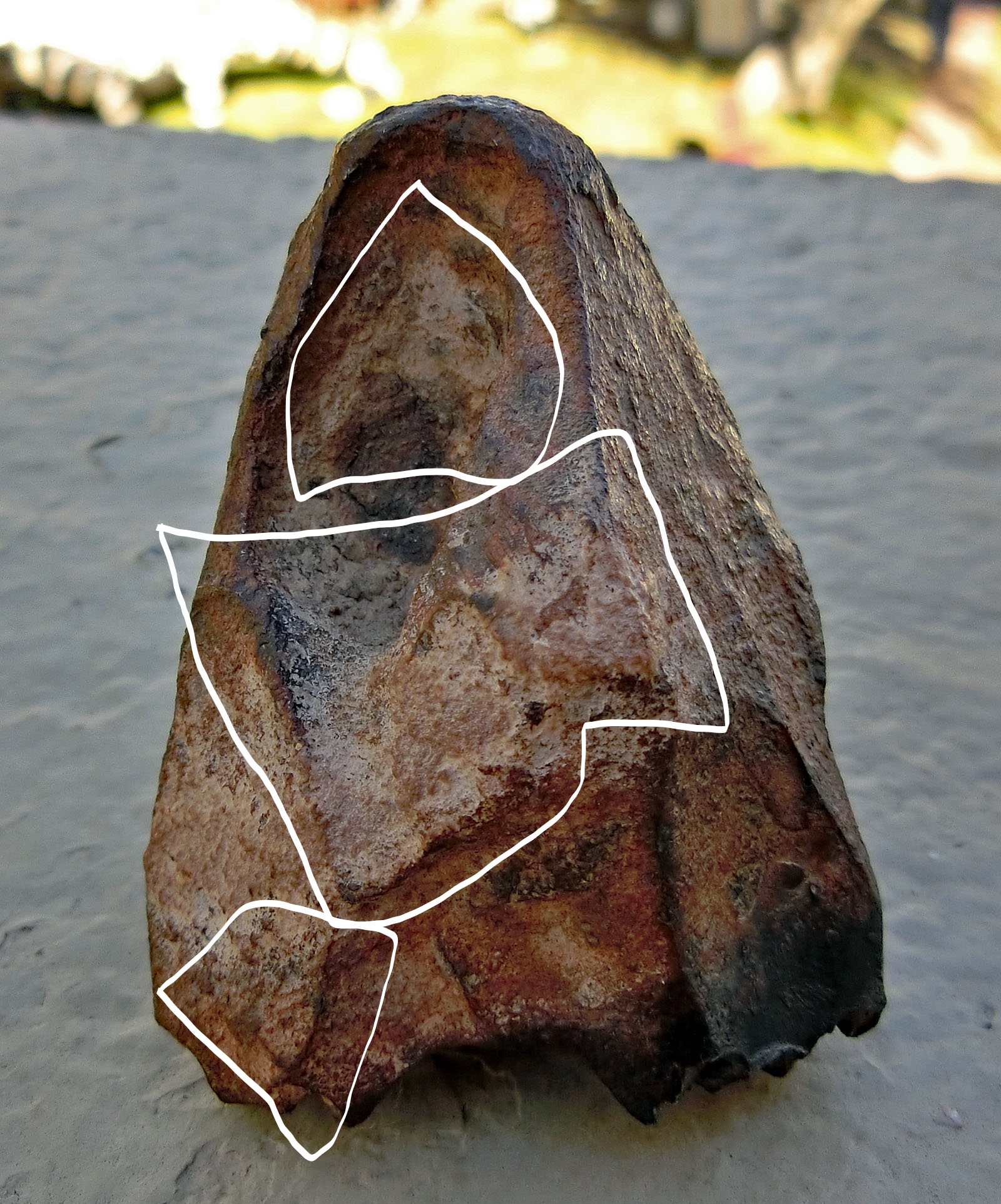
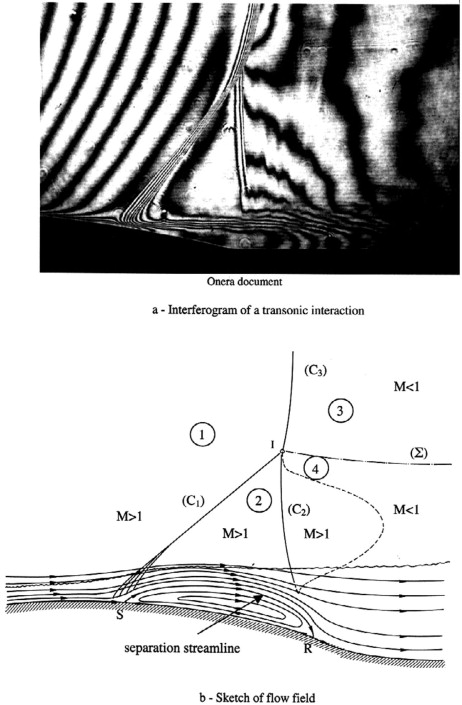
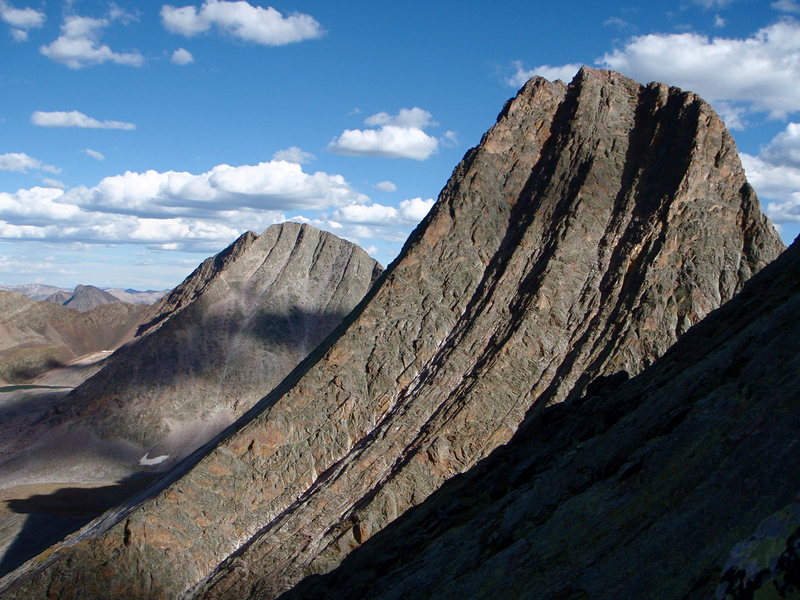


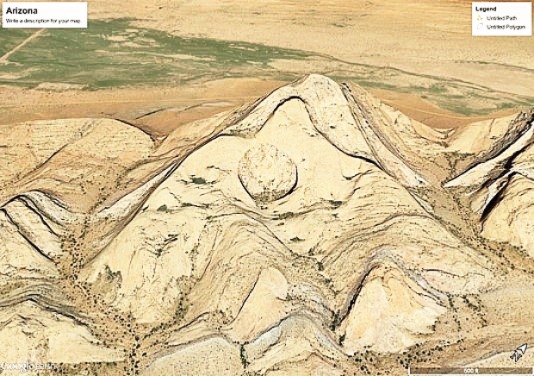
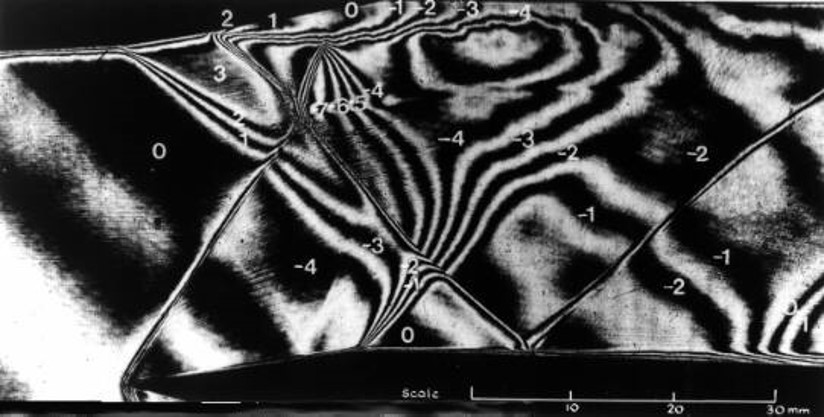
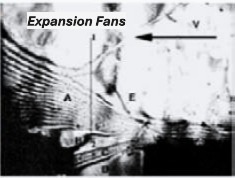
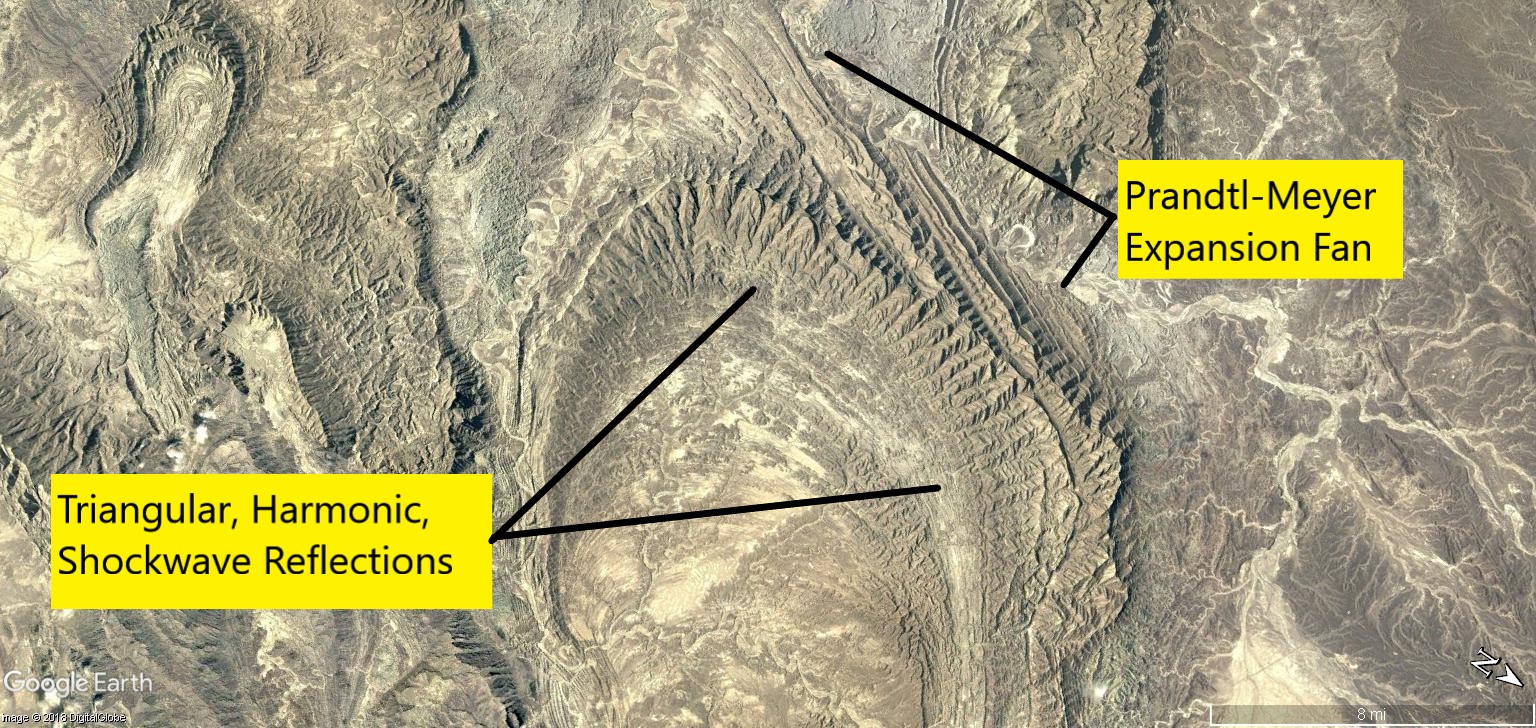
All of these were presented with several examples to show they were not just coincidental similarities. They are consistently present features found in mountains around the world. Because of that, supersonic shockwave features are predictable. This is the final tenet of proof according to the scientific method – predictability.
I found an opportunity to test the predictability of the shock-wave theory. Guess what? It passed. Of course, you will have to take my word for it that I “predicted” anything, but when I show the results that won’t matter anyway; the results speak for themselves.
This discovery began when I noticed a certain pattern of “V” shaped cuts and divots just beneath mountain peaks, always on the leeward side of wind formed mountains. It didn’t appear every time, but only on particularly large and steep mountains shaped by the Lambda structure of a shockwave.
I first noticed this feature while hiking in the Catalina’s, my ‘backyard’ range in southern Arizona. Figure 2, a and b shows two examples. Both pictures are of the leeward side at the tip of a tetrahedron, and the feature I refer to are the deep diagonal cuts that bracket the peak and extend downwards to meet, forming a “V”.
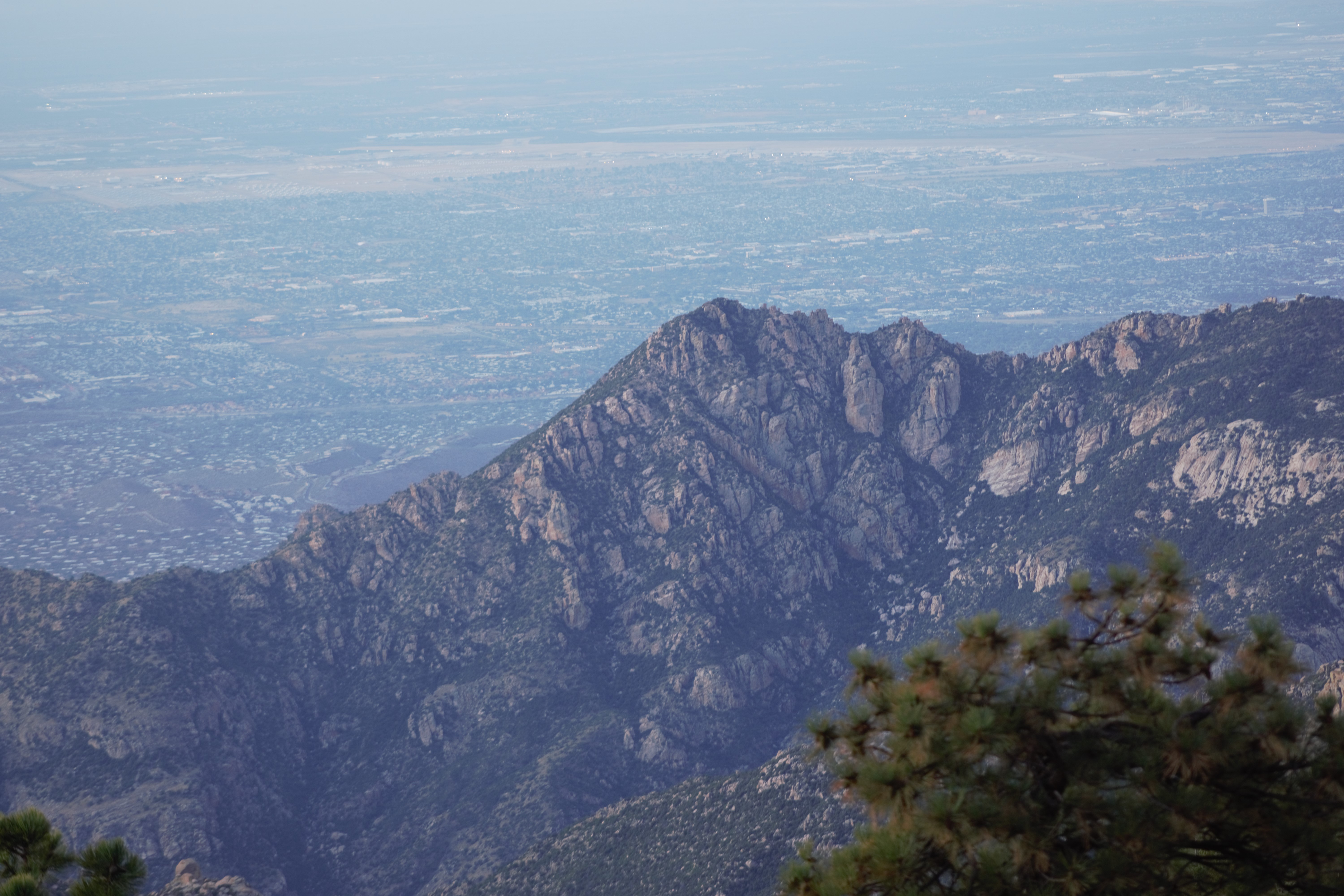
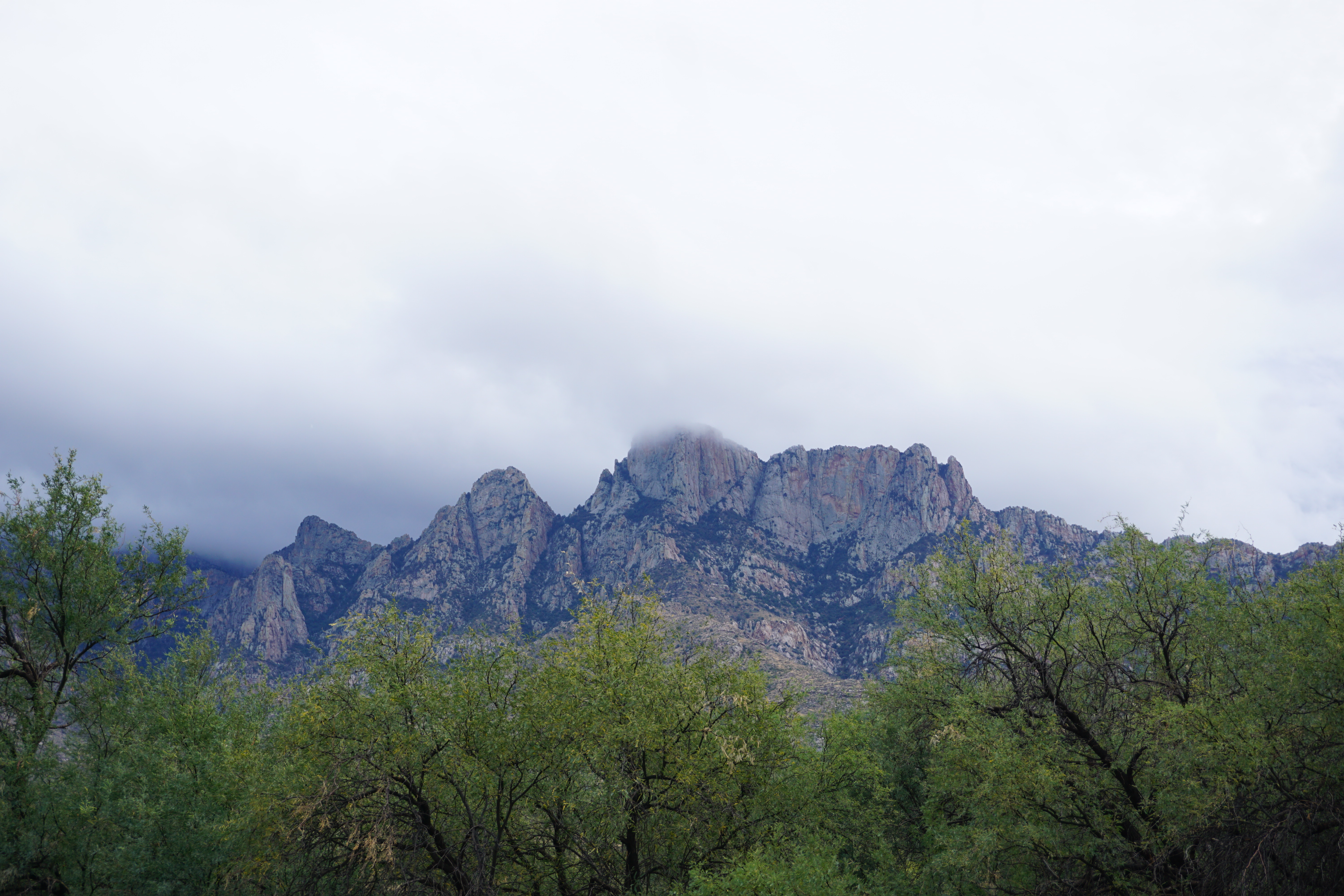
I knew these were from shockwaves. Shockwaves become electrically charged; firstly, because they produce such extreme pressure and heat they naturally ionize gases flowing through them. Secondly, because they are essentially plasma conduits between the earth and an electrical storm, so they conduct lightning. As a result they tend to evacuate any matter they contact, which leaves sharp geometric cuts in the rock. It was obvious shockwaves made these cuts and notches, but I still didn’t understand how these particular shockwaves formed.
Then I discovered the “Mach Stem” – see the linked video titled “One Minute Aeronautics”. The Mach Stem is also depicted in the Figure 3 diagram of a shockwave from an airburst nuclear detonation. Because of the particular attitude of an airburst event, and the Mach angle the shockwave makes with respect to the ground, it forms a Mach Stem at the very tip of the Lambda structure triple point.
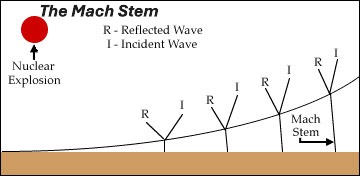
I know, that’s a mouthful. The detailed technical explanation is much worse, but if you have the interest, I have linked this paper that explains it:
“Validation of the Mach Stem Triple Point Film Scanning and Re-Analysis Project September 11, 2020 Jason R. Johnson-Yurchak Lawrence Livermore National Laboratory”
I quote one relevant paragraph that discusses why a Mach Stem only forms in certain conditions, which explains why I didn’t always see the “V” cuts on every mountain:
“According to Kinney and Graham’s research in Explosive Shocks in Air (2014), if the height of burst (HOB) is increased past a certain limit, only regular and single Mach shockwave reflection can occur. At the ideal angle of shock (40⁰ ~ 46⁰), the reflected angle catches up with the incident angle, forming the Mach stem as the shockwave transitions from regular reflection to single Mach reflection. A minimum Mach number (Mₓ) of approximately 1.2 is necessary for the Mach stem to form while the absolute minimum angle of shock for transition is 39.23⁰.”
As you can see, it only forms when the shockwave is at a particularly steep attitude, and the Mach number is above a certain point. Also, it is a destabilizing effect causing destructive interference as the shockwave goes through a transitory phase. Very similar conditions apply to certain mountains, especially the very biggest ones. The angles referenced in the quote don’t necessarily apply since the conditions in a dusty plasma would be different and the source of the shockwave is much different, but still appropriate to form a Mach Stem. Therefore, it dawned on me that I should look for Mach Stem’s on Earth’s largest and most famous mountains.
Mind you, it cannot be just any old “V” shaped feature. It must be attached directly to the peak itself, made of nearly straight diagonal cuts that are typically slightly deeper on one side. This is, I think, because the Mach Stem is made from the incident shock and it’s reflection, and the reflection lags in strength and timing to the incident wave, which causes some asymmetry.
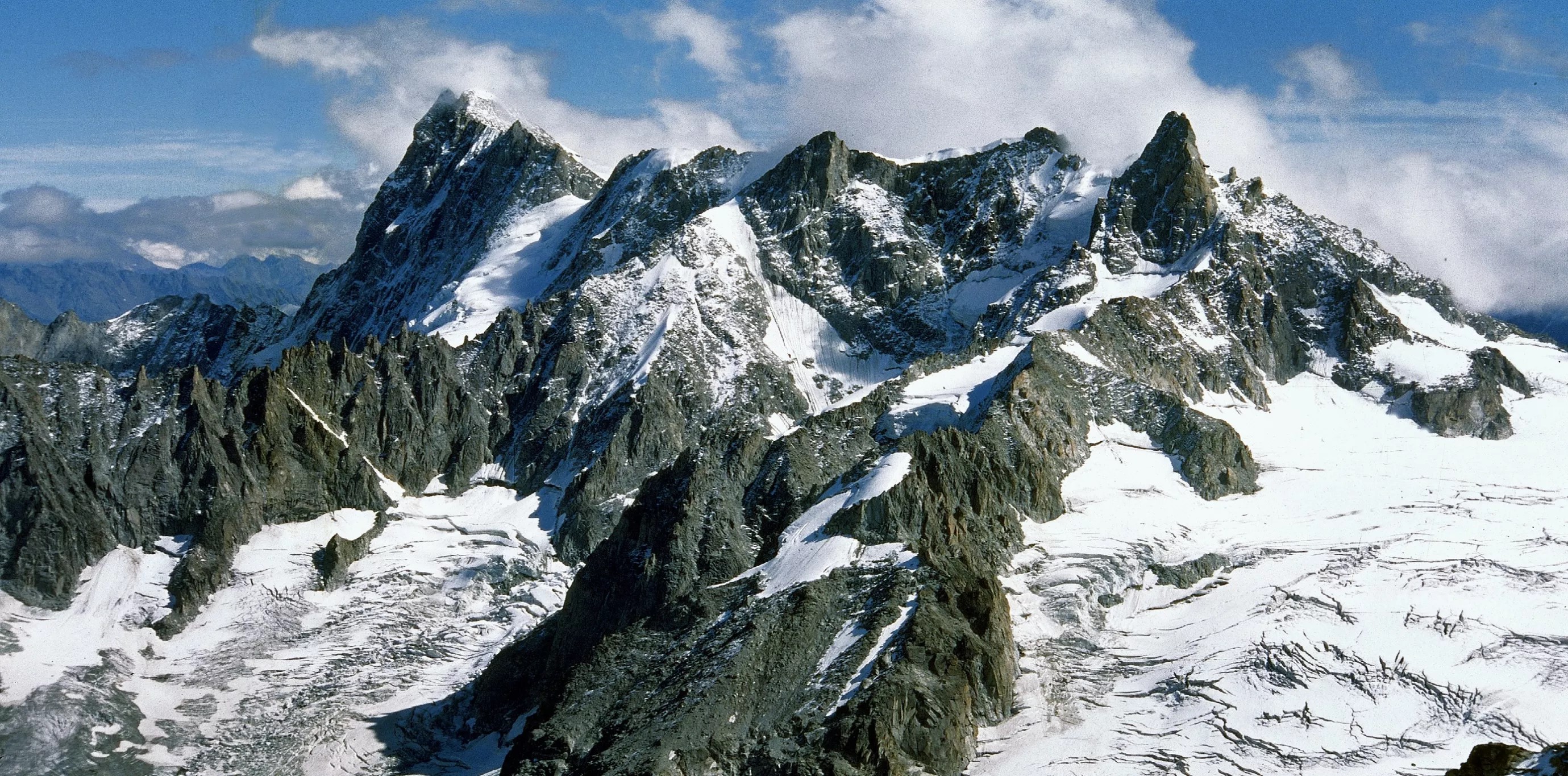
Also, the Mach Stem will sometimes flatten, or break-off the tip of the Lambda structure, leaving a squared-off, or double top mountain. This is because the Mach Stem is destructive interference caused by instability and interference between supersonic and this small region of subsonic winds at the triple point. You will also note on close inspection, especially on the Jungfrau in Figure 4 c, there are sometimes triangular, harmonic shock reflections embedded within the “V” notch. They are not always present, but not uncommon either. They are often covered by snow.
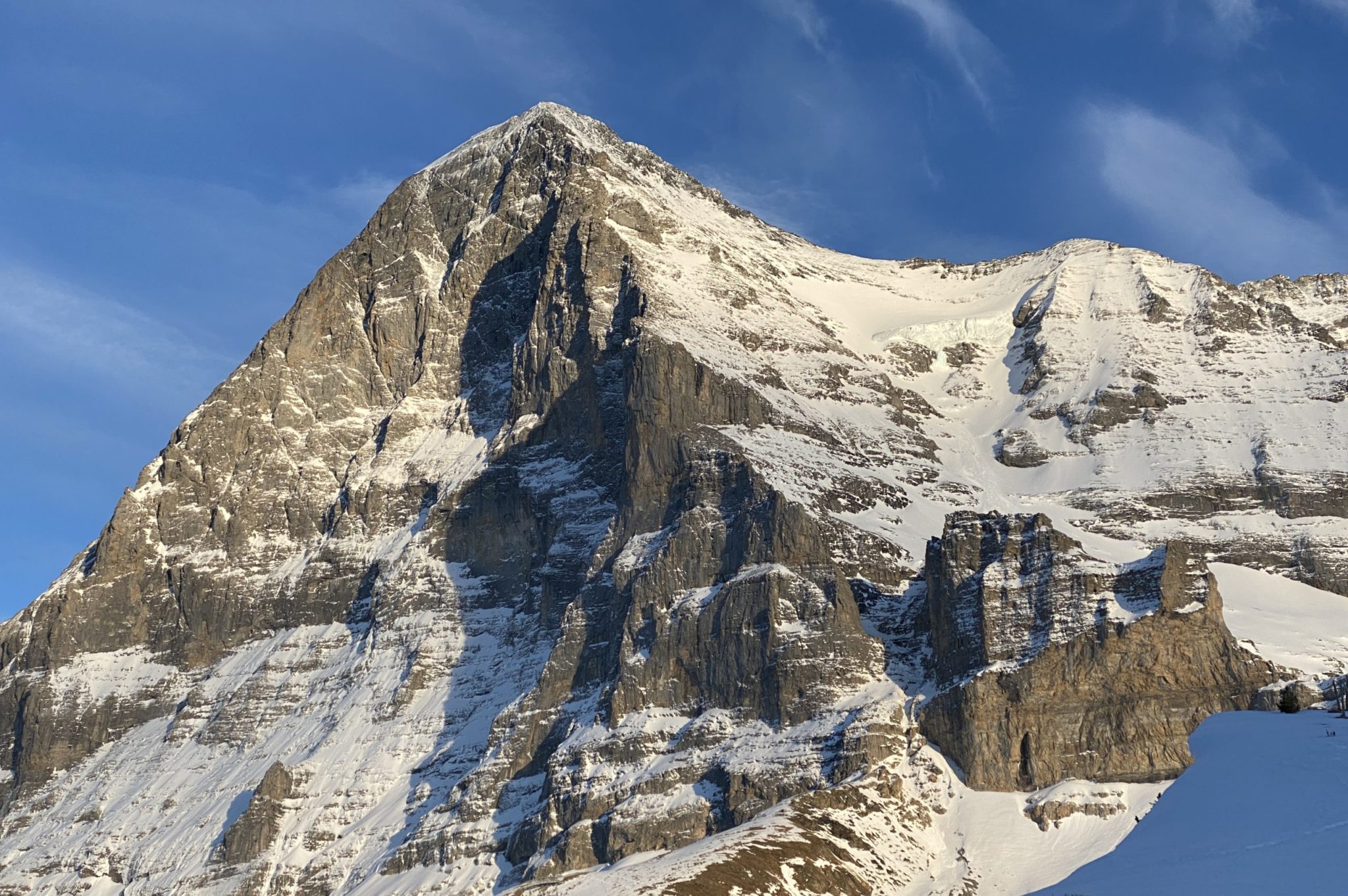
I began my search with the famous Eiger in the Alps. The “Death Wall” as it’s known by climbers, is the near vertical wall on the north face of the mountain. This is the leeward side. The other side of the Eiger is a steeply sloping triangular face that forms the windward, or “ski-slope” side.
Climbers, of course, take the steeper north wall because it’s the most likely to kill them. And so it has, several times. That’s why it’s called the Death Wall. Those who succeed, however, do so by climbing the final pyramid through the “exit cracks”, diagonal cuts in the rocks in a “V” shaped notch just below the mountain peak. That notch is the indelible imprint of a Mach Stem. I then looked at the north face of the Jungfrau, the mountain right next to the Eiger. It too had a “V” notch. See Figure 4 a through c.
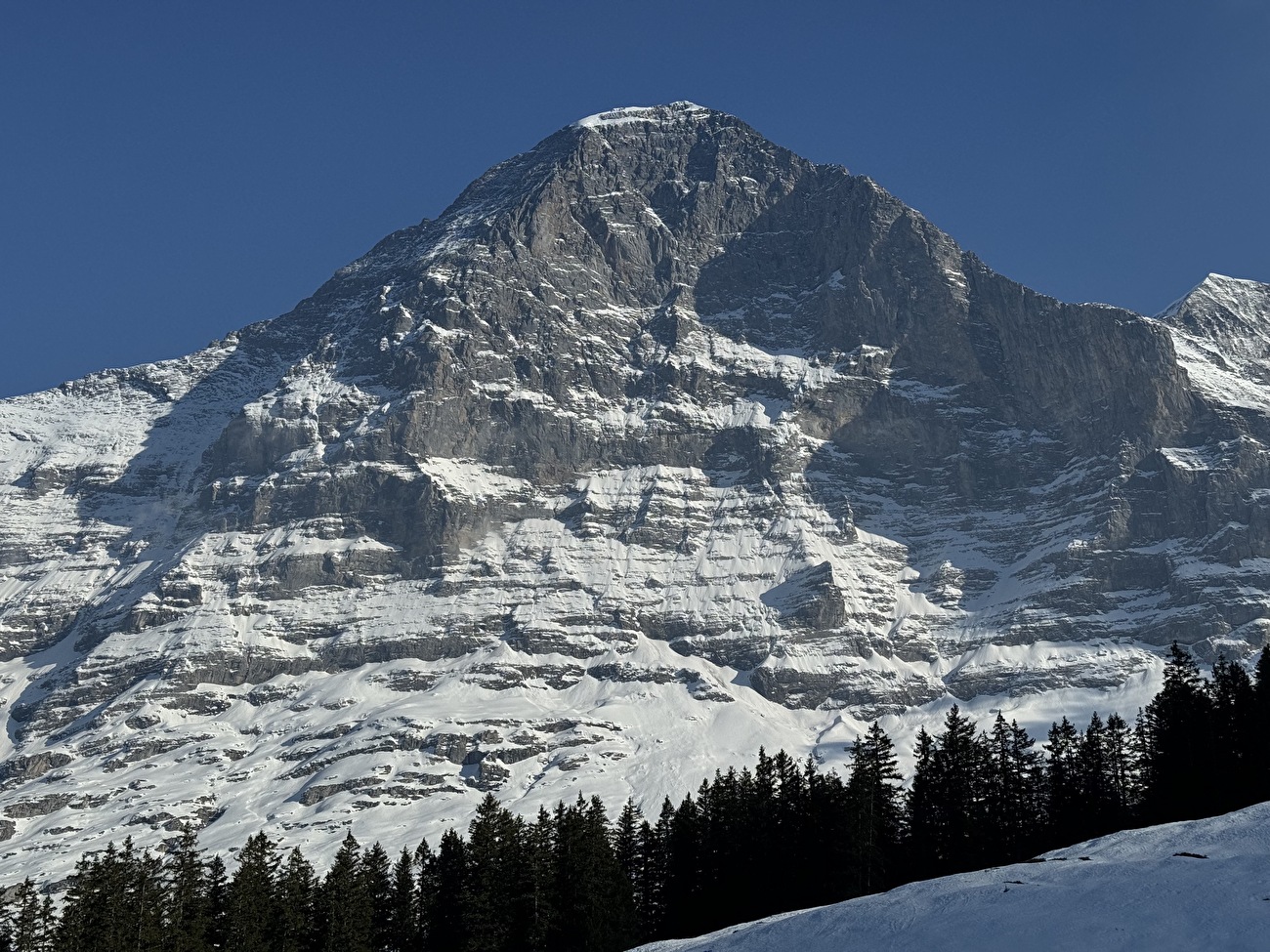
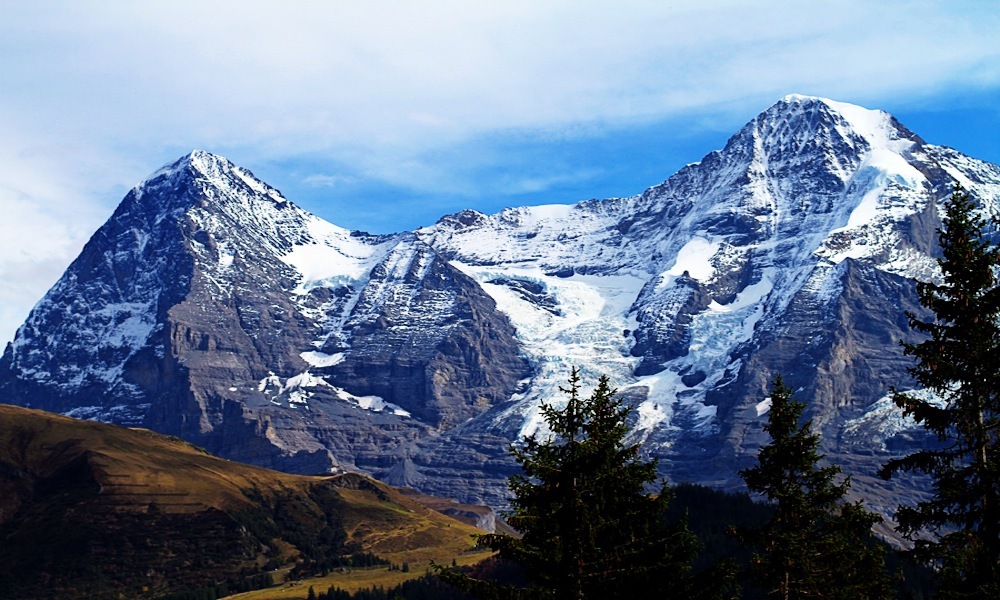
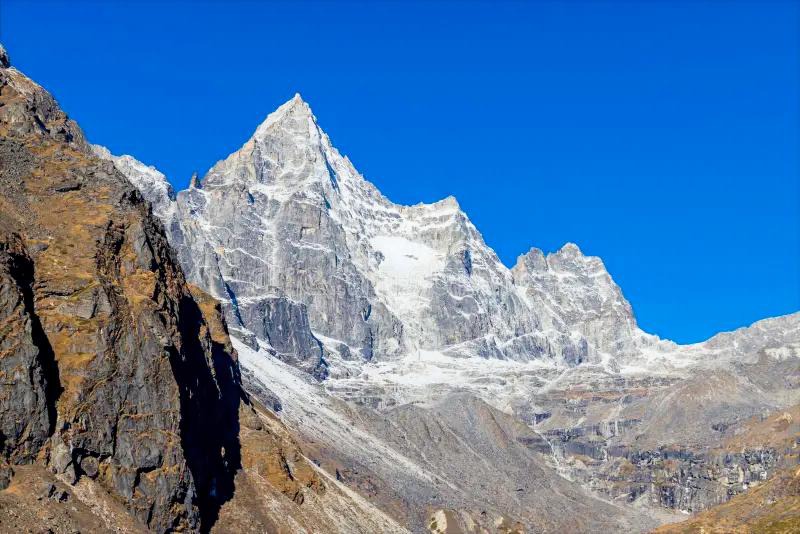
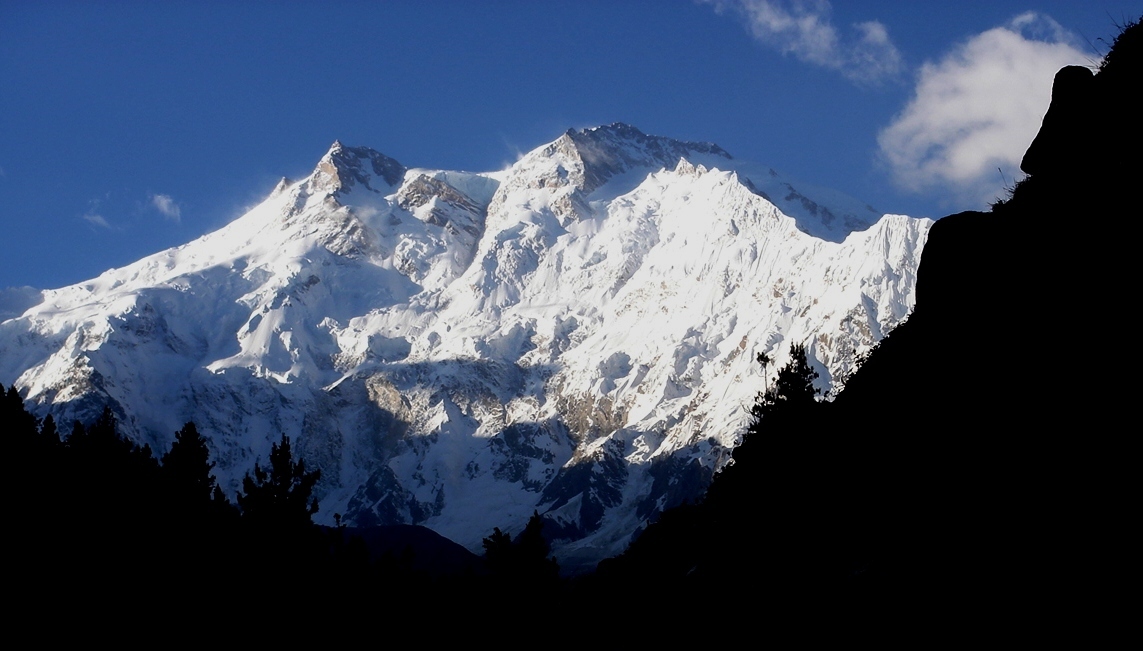
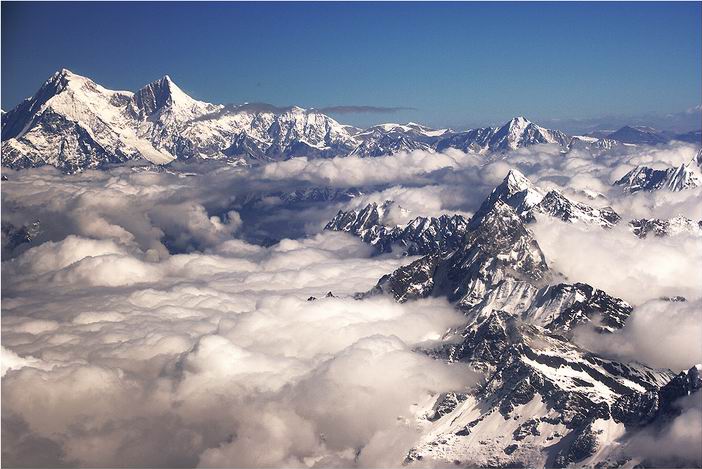
Well, in all honesty, I already knew I’d find a notch on the Eiger. I was aware of the climbing history of the mountain and the fact climbers used these diagonal cuts and the “V” notch as part of the standard route. So, then I predicted that I would find the same thing in the Himalayas. See Figure 5, a through g.
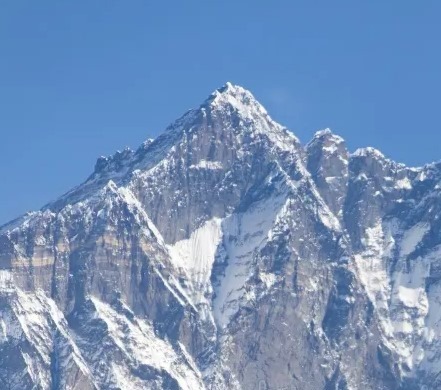
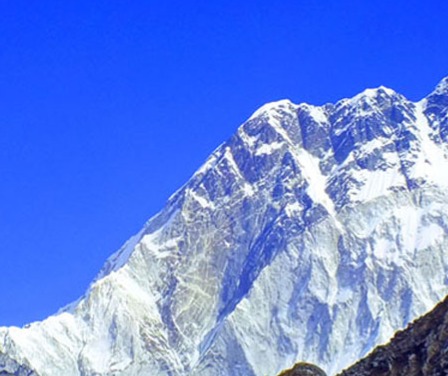
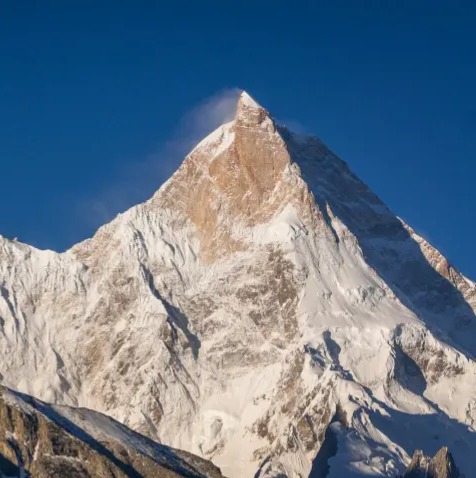
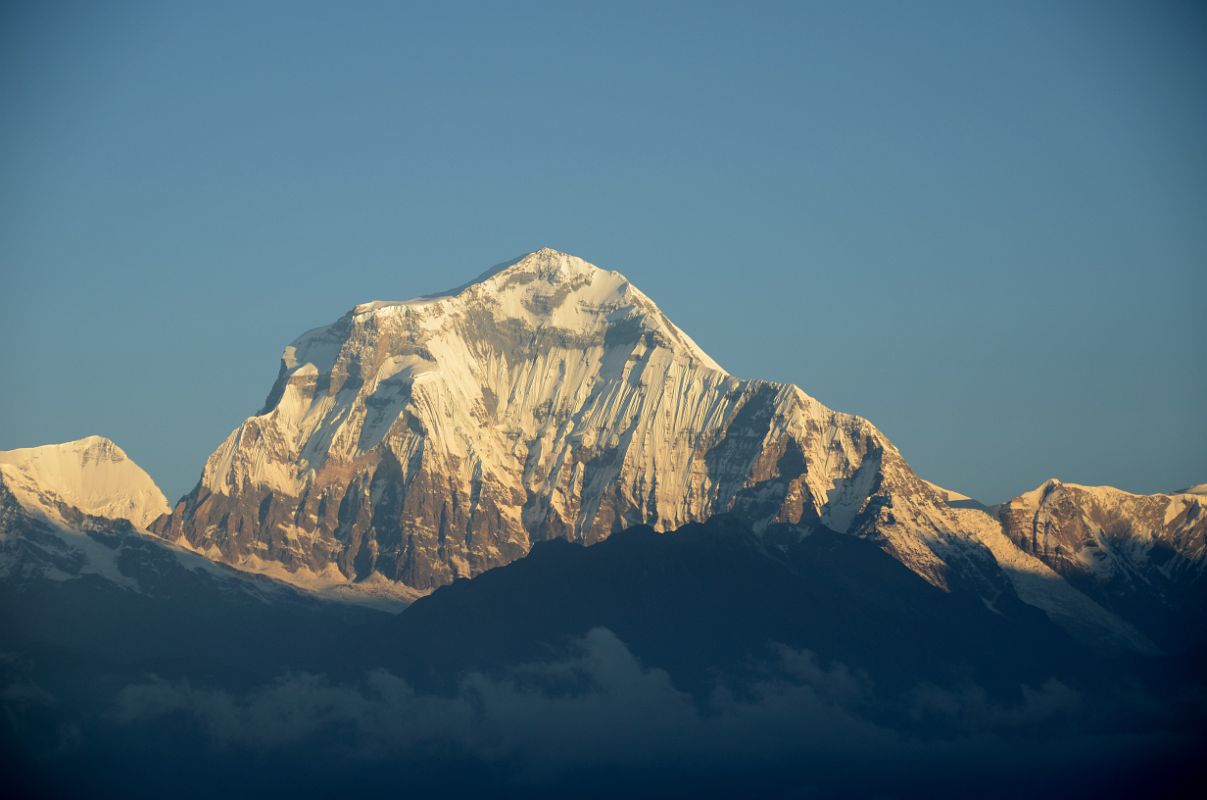
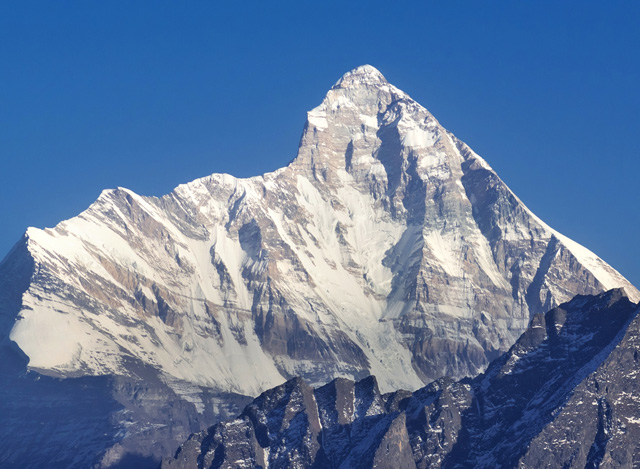
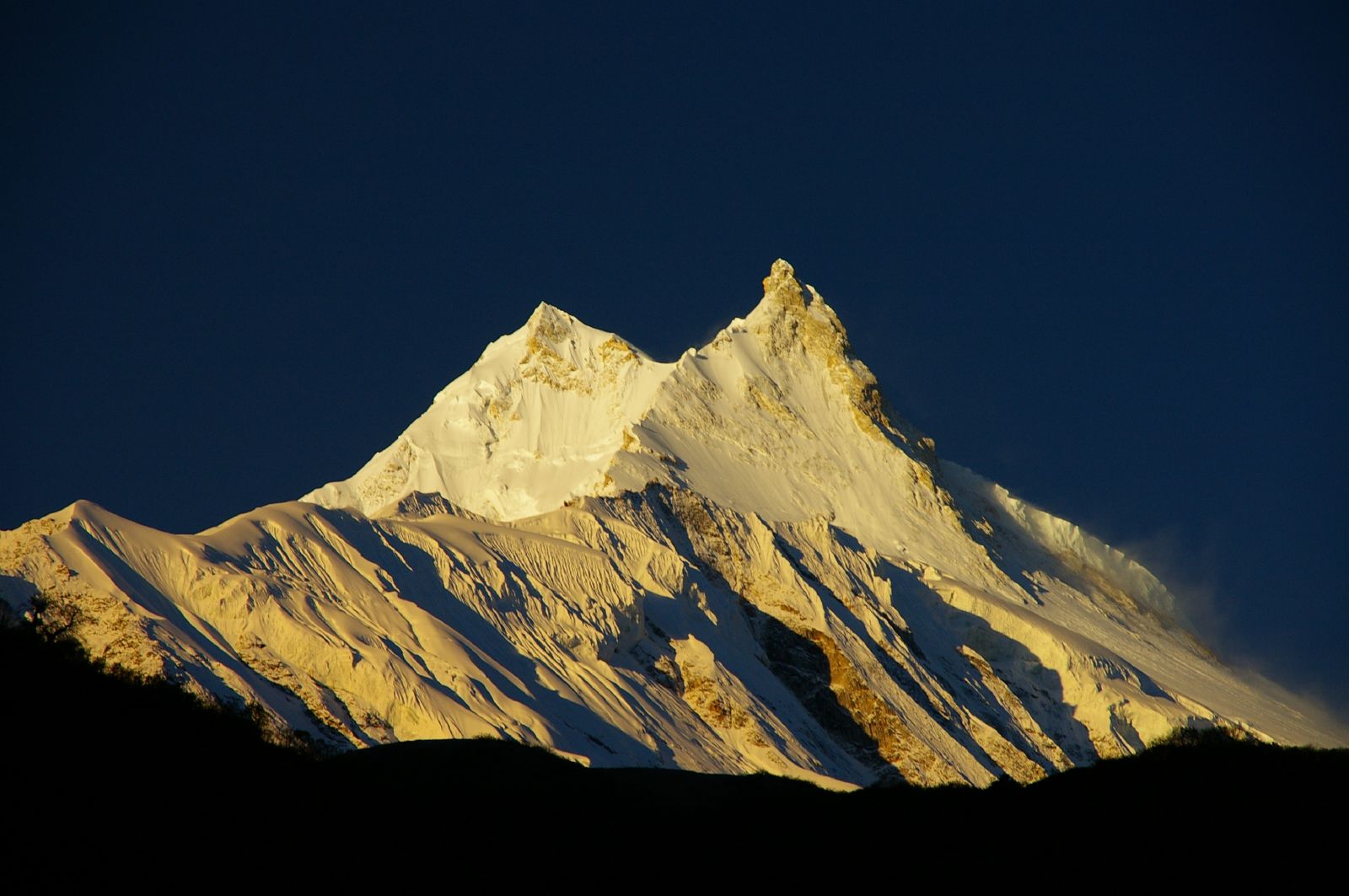
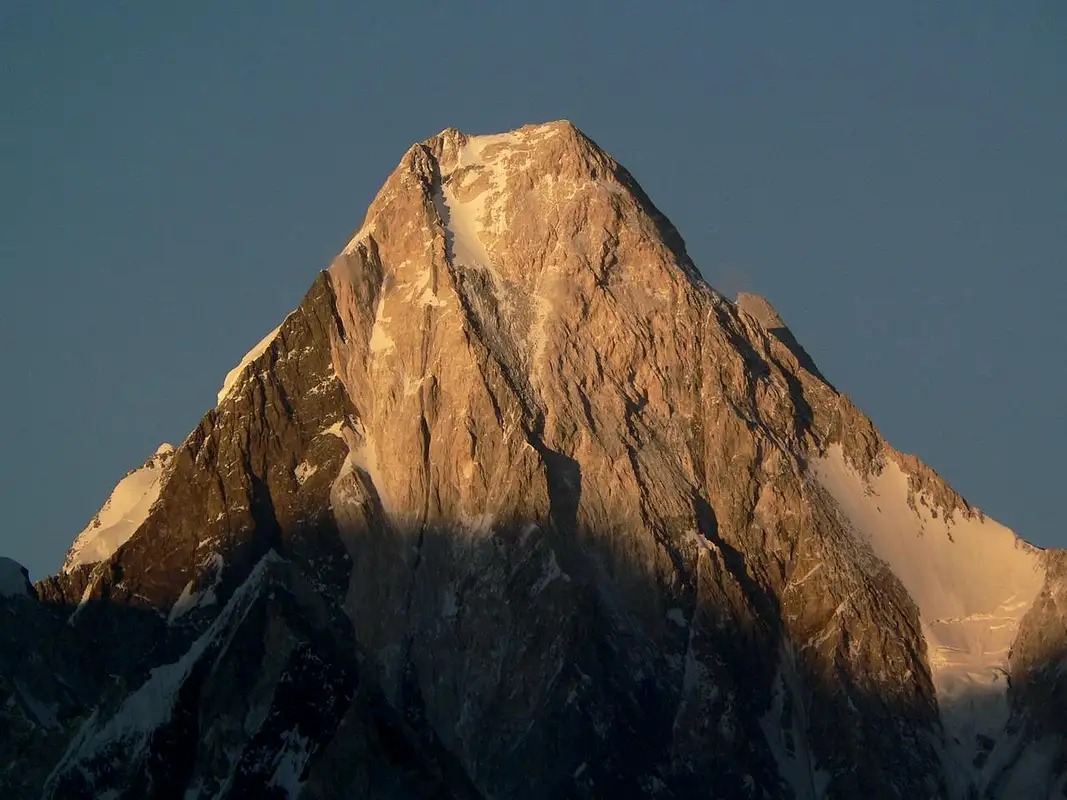
As you can see, there is a “V” notch created by a Mach Stem on a Baker’s half dozen of the tallest, most famous mountains on Earth. There isn’t much else to say. Believe your lying eyes, or believe the consensus explanation, if you can find one. Typically, this is the kind of thing they dismiss as “another marvel of nature”. Now it has an actual name, with data and calculations that describe it’s physics: the Mach Stem.
But wait a minute. Could the limestone of the Himalayas, Karakorum and the Alps have some kind of preferential angle of fracture that erosion inevitably produces at the very tip of limestone peaks? Surely it is a characteristic of the rock, plus a million, or so years of erosion the way everything else happens according to the consensus, right?
So, I looked in the Rockies, which are granite. And the Andes which are primarily granite, too. Lo and behold they have “V’ notches and diagonal cuts at their peaks. In fact, you can’t turn around without seeing a “V” notch. So that leaves the type of rock not the cause. It must be shockwaves. See Figures 6, 7 and 8.
It cannot be anything else. The standard explanations of fracture planes and erosion don’t hold-up under scrutiny. The Mach Stem is at the very peak of the mountain, exactly where it belongs on a shockwave, and where there is no watershed to collect water to erode anything. Ice will certainly fracture and erode rock in freeze-thaw cycles, but ice isn’t guided by intelligent design. These are consistent features of geometric certainty, with opposing, complimentary angles that always conspire to be in the same place, same arrangement.
Also, the “V” notch is always on the downwind side of the largest, steepest “Lambda structure” mountains that show no such “freeze-thaw erosion” on the windward side. The windward side is generally a smooth planar face with no notches. Mountains with the large Lambda structure geometry display Mach Stems regardless of rock type, including shales, limestones and granite. I have not found sandstone examples of large Lambda structures. It seems such large structures were also very hot during formation such that sand was fused into granite.
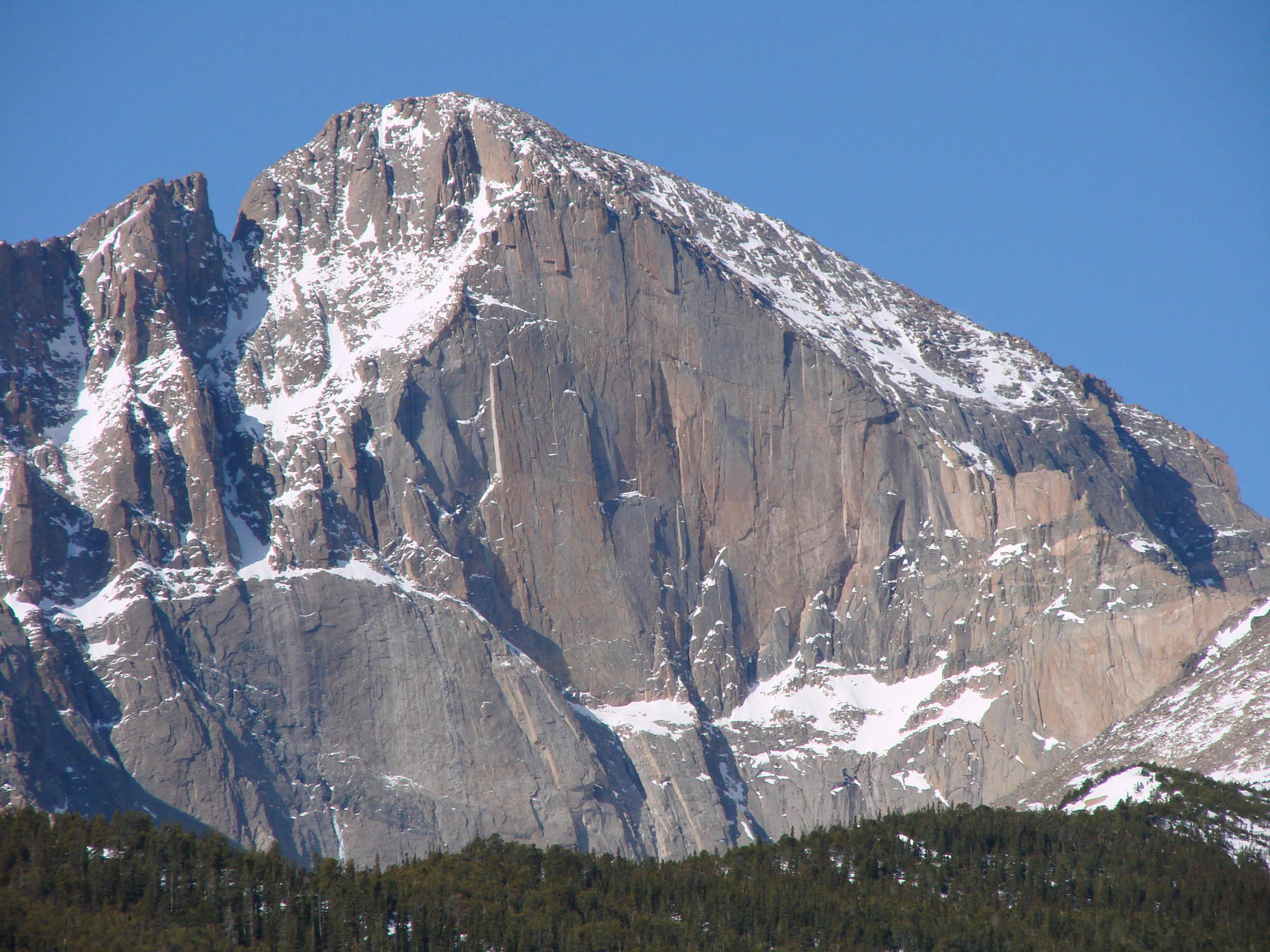
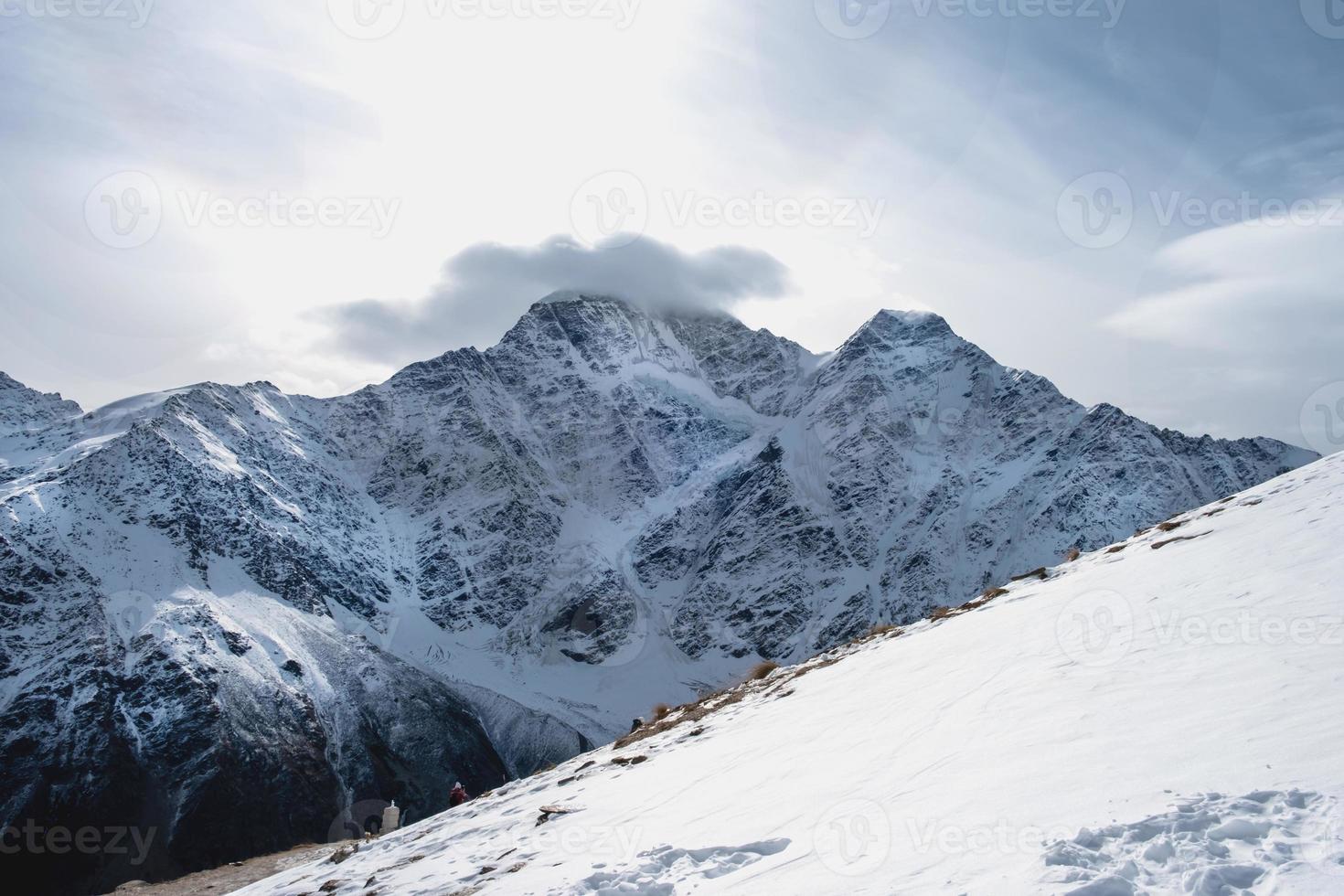
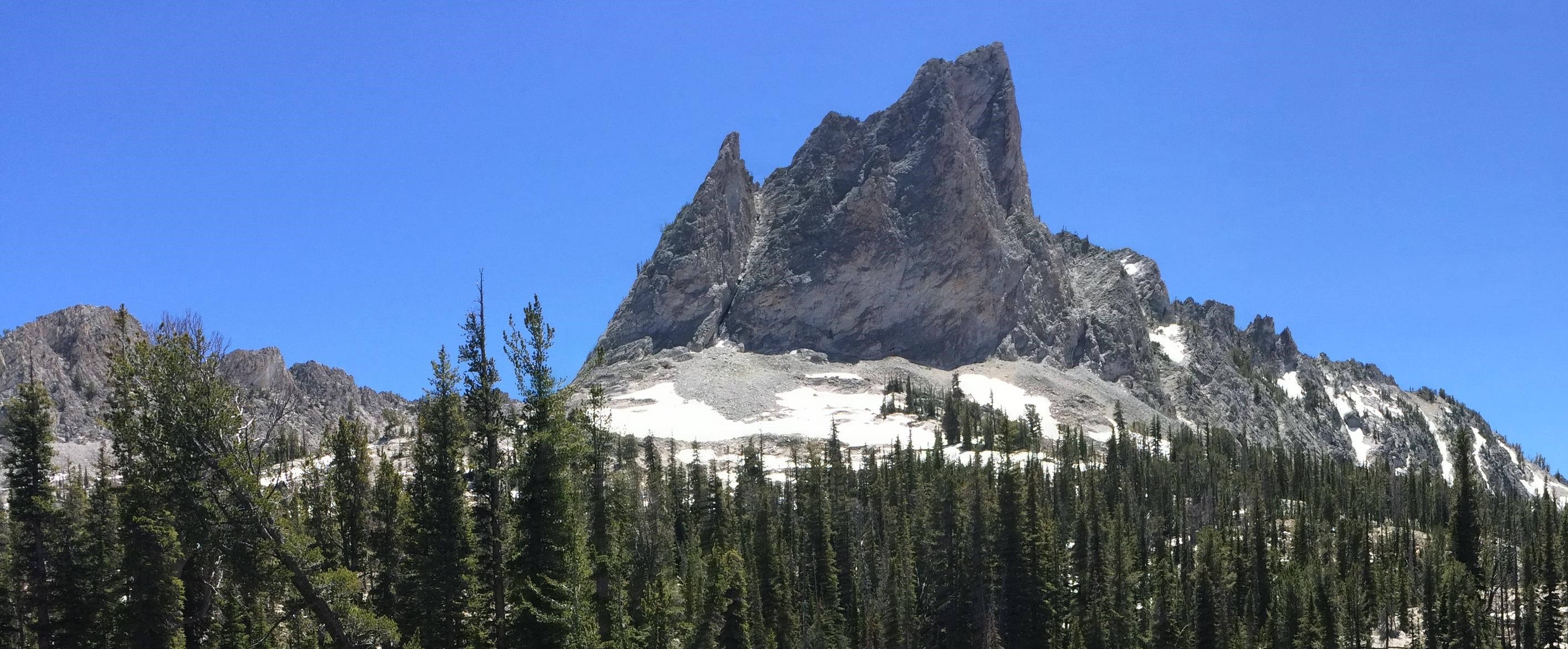
I’m nicknaming it “The Seat of Olympus”. It has a nice ring and it certainly fits, being kind of like a seat at the peak of the tallest mountains. For good measure, here are some more examples. Each of these has a missing, or damaged peak due to destructive interference from the Mach Stem. Also notice how similarly the notch leaves a half-moon hollow between two peaks in each case – another marvel of nature.
One final image, in Figure 8 I’ve highlighted the Mach Stem. As a Seat for Olympus, it looks a bit uncomfortable, but that is a very interesting thing, because it is spiked with harmonic reflections. The entire Lambda structure must have been vibrating when this mountain formed to produce these harmonics. The interesting thing is the size of harmonic reflections inside the highlighted Mach Stem are all of a size significantly smaller than the harmonic reflections outside of the Mach Stem. Just more proof these features were produced by sonic waves and that the Mach Stem rings to its own frequency.
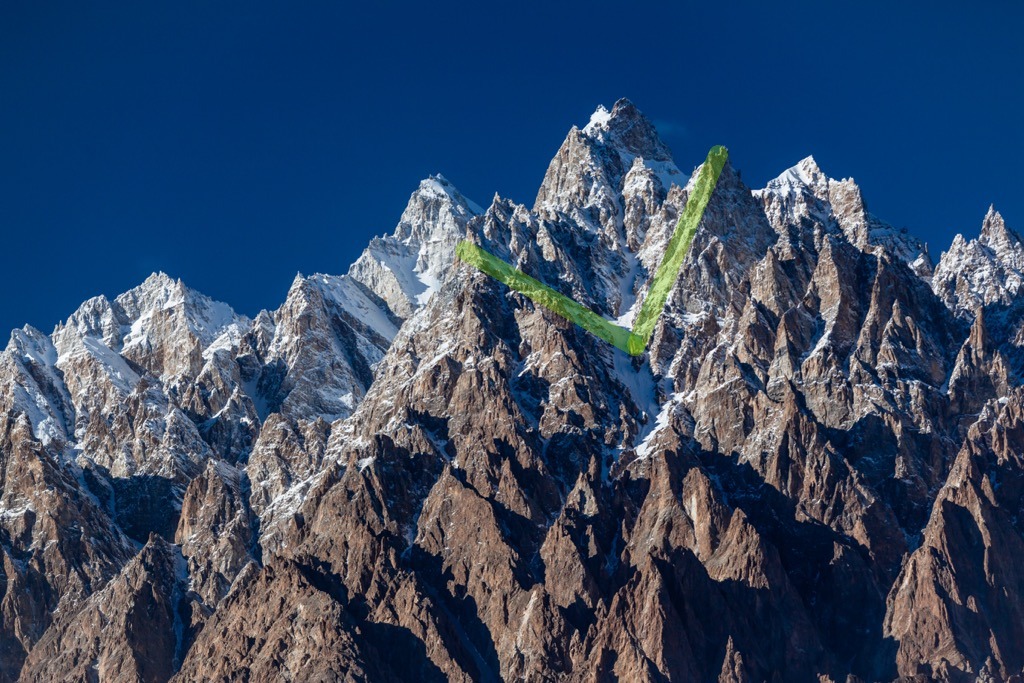
In summary, we can add another proof of theory to a growing list of proofs that supersonic winds and shockwaves shaped the mountains. Mach Stems are a repeatable shockwave phenomena that appear only at the shockwave triple point on the windward side of mountains formed by a Lambda structure. That is a very specific thing, and it’s reproducible and predictable.
The Lambda structure’s geometry and dimensions and the existence of a Mach Stem provides a wealth of information that would increase our knowledge of Earth’s formation. It can be used to estimate the Mach speed of the wind when the mountain formed, what direction the wind was blowing and what dust was born in the plasma winds, since it left deposits.
Re-examining the wealth of geologic data available in its proper context, knowing plasma winds and Jupiter-like storms played a significant role in shaping the landscape, would allow us to re-consider the sequence of catastrophic events that created the Earth’s stratigraphy and fossil record, and perhaps, understand the cause.
There is satisfaction when inspired by a moment of ‘ah ha’, to find your crazy idea turns out to be true. Discovering the Mach Stem is one especially sweet instance, because Mach Stems are so prevalent and easy to spot, anyone who reads this article will see them and think of shockwaves – whether they want to, or not.
Like the Mach Stem, ring to your own frequency, but don’t be a destructive chip off the old block. Resonate with goodness, gratitude and Mother Earth, and have a blissful day.
 The Daily Plasma
I had a feeling you were working on this subject. Excellent article! And, thanks for answering my question.
LikeLike
Thanks to you Andrew, for years now I cannot go anywhere without witnessing geologic formations differently than what I learned in my college days studying geology. I wasted my time then I see and loving your work and attempts to unteach me!!!
LikeLike
Well done Andy. Did you find those shaman/jester/birth petroglyphs at all interesting in regards to the idea we discussed about the Polar Configuration breaking? Would love to chat about if you did, of course whenever you had time. Cheers
LikeLike