Chapter Three – Uncle Smith
If rolling stones gather no moss, my Uncle Smith was a rock-slide. Not kinetically – he always seemed very calm – but emotionally, living the moment in a state of pure joy.
When I was a child in the sixties, Smith lived and traveled the National Parks in a Streamline travel-trailer towed behind a Dodge pick-up. He took his wife, Mildred, and a small dog.
He was a seventy-plus year-old, free-spirit, when the Beatles wore matching page-boy haircuts and suits – in other words, even when ‘rebels’ helplessly conformed more obviously than normal, Smith was authentically weird.
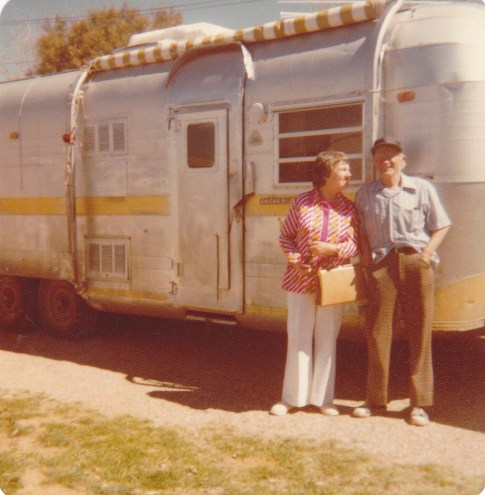
He was old and retired, living on a pension from the time I could remember. I physically outgrew him before I reached puberty. Built like a wiry elf, he weighed about ninety pounds, with more hair in his ears than anywhere else.
He was blind in one eye. His wire-rimmed glasses had the bad eye fogged, but were so dirty and scratched you couldn’t tell. The eye was poked-out by a tree branch, he claimed, while chasing a bear from camp one night in the woods. He had only aspirin and cotton-balls to catch the draining fluid, while he slept in a tent until daylight. He said he slept – I don’t know how – the bear alone would have kept me up.
Smith was actually my great uncle, my Grandmother’s brother on Dad’s side. Dad was born in 1910, and I in ‘57, so there’s some generation gap at play. Lord knows when Smith was born, but he grew up at a time when pipe-organs outnumbered cars, sometime after the ‘War between the States’.
On the subject of pipe organs, that was his occupation back in the day – organ tuner. Not a cleanse-your-colon, fitness guru you’ll find if you ‘Google’ that term today, but a pipe-organ tuner.
There were not many of them even fifty years ago – Smith may have been the last. In any case, he never voluntarily retired. Pipe-organs did.
Pipe organs are the only musical instrument that can’t be taken to the shop for tuning. They need a building to hold them up, so, Smith got used to travel. Eventually, the number of vaudeville, bawdy houses and churches with pipe organs dwindled as the century ticked away. Smith got a travel-trailer and kept driving with Mildred and the dog.
He’d take the job of Camp Host in National Parks where they’d stay the season, then visit kin in the weeks between odd-jobs at the handful of Mormon temples still using pipe organs. He was always on a continuous roam, Mildred and the dog with him, or not. At some point in my youth, the dog quit showing up.
He followed the seasons through a circle of his favorite haunts that ranged the entire west. Oak Creek, Sedona and Apache Junction were favorite camps on the Arizona leg of his loop. There is a cluster of family in Tucson, a good VA hospital, and our trailer park for a place to stay, so we were on his route.
Most of his waking hours he spent at a workshop in the back of the Dodge beneath a camper shell. It was a complex and messy workshop from his days roaming the country tuning organs. Besides the carpentry and machining tools required for pipe organ maintenance, there were automotive tools, and everything for the Streamline RV. Except for food, Smith carried everything he needed with him.
Because it was what he liked to do, he spent most of his time tinkering in the workshop. One thing he made was a bellows from wood, leatherette and brass tacks, with a rolled sheet-metal nozzle and marble for a check valve. He originally made them for tuning pipe organs, because he needed a way to blow air through the pipes to get sound.
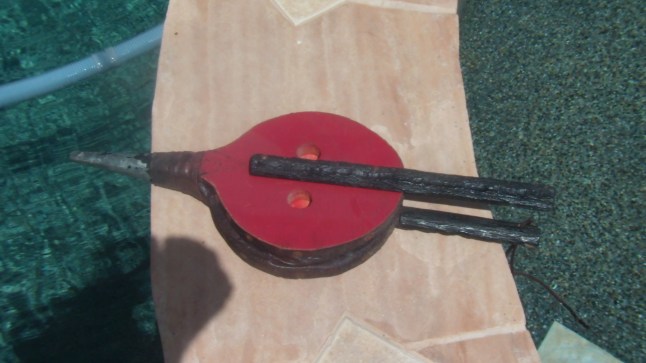
The bellows also worked marvelous with a fireplace, and he continued to make them long after the last pipe organ wheezed. We got several for those chilly, sub-100 degree days we lit the fire-place in Tucson.
While Smith worked at the narrow workbench on the tailgate of his truck, work piece in a vise bolted to the bumper, I helped him. At that time in my life, adults were generally telling me to shut-up, or go away. Smith asked for my thoughts, encouraging me to join him in whatever he was doing and talk. He was always interested to listen, and interesting to listen to.
Smith’s pipe organ days must have been something. He took my Father to Chicago with him in the later days of Prohibition. Drinking establishments bloomed in Chicago like nowhere else on Earth back then, because they were illegal. Nothing makes business boom better than making it illegal, and Chicago was ground zero for illegal booze. Dad was about twenty, and while Smith tuned bawdy house organs, Dad got a job helping manage an A&P store.
I asked my Father about those days once – I mean Speakeasy’s and Al Capone – he was right there – I wanted his ‘Forest Gump’ account.
I learned more than I wanted about A&P’s. Capone and the gangsters he only remembered reading about in the papers. All he said about Speakeasy’s was, “We called them clubs”.
That’s as much as I got. But Dad had a butterfly tattooed to the inside of his right arm he never spoke about. Something so out-of-place with the straight-up Father I knew, it had to be from those days of his youth in the Chicago “clubs”.
And I think it strange it was a butterfly, given my own obsession with them now.
Smith told stories about the war. And I mean – The War: World War I. The best I heard involved him and a driver, he said, inadvertently crossing enemy lines. They were in France carrying some communication, or moving from one place to another for a reason I don’t recall, and suddenly they realized the uniforms around them were different.
He said they turned around and hauled out of there before anyone noticed their uniforms were different too.
I try to picture such a scene. It has a ‘Three Stooges’ element to it that, along with Smith’s mischief, makes the story less credible. But then, stranger things have happened.
I can’t picture Smith holding a gun in anger. Perhaps he never did, but he surely witnessed the darkest side of man. Though he never told me anything gruesome about the war, I imagine he saw things that would curdle blood. He only spoke about funny things, like the French he learned to parlez local girls. He probably didn’t want to remember the other parts. That’s sometimes how people are who have seen the darkest – they only want light shining through.
I remember most talking about the outdoors with Smith. He was the first adult who shared that passion with me; alp-en-glow in a mountain valley, bears at night, panning for gold… the adventure of wild places been, or to go.
One adventure of Smith’s nearly killed him. I was about thirteen and Smith was edging towards eighty. An older brother suggested we take a family hike. There was a miscalculation, or misread map involved somehow – I don’t remember, but the trail was well over twenty miles of rugged, steep terrain. In the mountains around here, that’s a hike better suited for two days, not one. Smith, of course, insisted on going.
The hike began beautifully. Crisp, chilly air at nine thousand feet on a bright spring morning. The creek was still sheathed in ice. As we crossed the stream on icy rocks, Smith slipped and broke through. He twisted his ankle and soaked his pants. He wouldn’t turn back though, said he was fine, just had a little limp to make him take it slow.
Of course, the pain and inflammation took awhile to build, and in the meantime we kept going. As he slowed down more and more, the older ones stayed back with him and the younger of us went ahead. Smith seemed to be managing, so there was no reason to hold the young gun’s back. My brother and I separated from the group descending fast down switchbacks. I still remember how it burned my legs.
The sun went down miles before we reached the end of the trail. There was a fortunate full moon, because we had no flashlight. The moonlight gave an ethereal beauty to the canyon grasses shifting in the breeze. The trail from this point was easy ground, but it wound in hairpin turns through side canyons such that it took a mile of walking to advance a hundred yards.
Walking a mile to arrive at a point where you can throw a rock to the place you started is demoralizing. Mile after mile, every canyon looked the same, until we joked that we’d entered a nightmare.
“Imagine, if you will, a trail that never ends. Under a silver moon of surreal beauty, these unfortunate souls find it leads forever nowhere, because they have entered … The Twilight Zone.” That was the nature of our talk.
The final section of trail required a push over a ridge, then a long corkscrew of winding switchbacks to the end of the park road. It was such a relief to get down. Our feet were hot-irons, but my brother Rich also suffered toe-jam. It happens going downhill if your nails aren’t trimmed short. The pain is like bamboo shoots and will cause the affected toenail to turn green and eventually fall out.
Our glee at trail’s end was suddenly clouded by the realization there was no phone at the end of the road, and the Park gate was locked until morning. I think it was another four pain-filled miles to the gate and a telephone.
Sometime three, or four hours later my older brothers and sister-in-law came down, and Dad went to pick them up while I soaked in a hot shower. Smith wasn’t with them.
Still high on the mountain, he decided he needed to rest his leg, so he sat down and lit a fire. Then he decided the fire was warm and his leg was not working, and insisted on staying the night. My brothers were unsure about leaving him, but it was at a point of leave him, or spend the night with him. They gave him extra sweaters and came down.
In the morning we were at the gate when it opened and immediately set up the trail. Smith met us at the top of the switchbacks – almost down already. He was a little stiff, black-faced and dirty from crawling into the campfire coals to keep warm, but remarkably cheery.
It was below freezing that night. Not many octogenarians would have made it, or even attempted the hike. In spite of his fall, Smith knew his own capabilities and how to deal with the situation. The experience to him was of so little drama, he was embarrassed he put anyone to worry.
Had anyone suggested the following week to do the same hike again, Smith would have been the first to go. Probably by himself, because no one was making that suggestion.
Smith was unconventional. It’s the most endearing and memorable aspect of him. He lived on the fringe; happy, law-abiding and respectable, no man’s but his own. His example resonates through the family.
My take on life included a “Smithsonian” perspective forever-more. Uncle Smith’s alternative lifestyle seemed more agreeable than convention offered. Doing things mattered more than having things, to Smith. If given a mansion, I don’t think he would have known what to do with it. Anything more than what fit in his pick-up was too much.
Lifestyle isn’t the issue, though. A curious mind, empathy for the ways of others, minding ones own business and getting on with life in the fashion best suited for you is the point. Smith was a great example of those qualities.
We all have unique perspectives. From a trailer park, the perspective is closer to the edge of the lens, so to speak, and there is less distortion to reality. Layers and layers of social obligation and expectation are stripped away in a trailer park. So long as you keep the weeds down around the place, you’re socially acceptable.
Once that hurdle is met, one can do as they please. It’s classic Smithsonian. The night sky is brighter, more vivid and detailed from the top of a mountain than it is from a city. Such is the view of reality from the trailer park.
I’m actually a neoclassic Smithsonian. I lack the rigor for his austere simplicity, but ideologically I’m on the same page. It allows me a fresh take on Nature. Let’s now examine some notions about Nature from the trailer park perspective.
Chapter Four – The Chicken Hath No Egg
Everything being electric, phenomena scale infinitely, repeating fractal patterns within fractal patterns. The universe is a Mandelbrot Set of embedded repetitions. It has little to do with fancy mathematics. It’s cellular automata progression of self-same order over infinite magnitudes, producing similar effects at different scales.
The fractal forms are never exact reflections because they are modified by charge density and phase changes. Whether a hot plasma is at work, or a cold plasma we can’t see, the degree of ionization, relative polarity, charge density, electric field strength and field geometry are the things that influence most. Phase of material, whether liquid, gas, solid, or airborne water and dust; the mediums response to electromagnetic forces has relevance to the effect.
Proof of the concept is in the fractal forms that repeat over orders of magnitude in scale. To recognize the patterns becomes easy if the consensus brainwashing is ignored and a correct perspective is used.
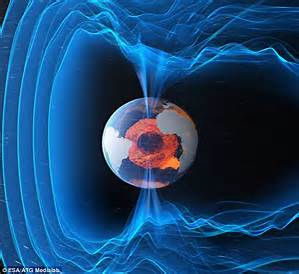
Trailer Park Cosmology requires a change in how Earth is viewed in the first place. Our sight is limited, and therefore our perception. The “blue marble” of astonishing beauty we see in spacecraft photos only shows the reflection of visible light. Earth is much bigger, reaching all the way to the Moon with its electromagnetic sheath.
The Geomagnetic field should rightly be viewed as the boundary of the Earth. Looking at only the blue marble is like seeing the nucleus of an atom without electrons. The picture, and therefore perception of it, is incomplete.
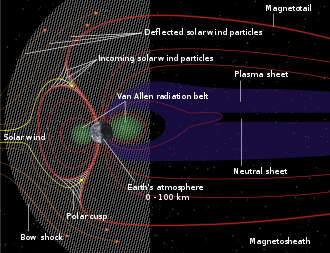 The Earth is a torus of electromagnetic energy orbiting in waves of solar wind. The blue marble spins inside, shielded from life threatening radiation by shells of magnetic field. Those shells induce current from the solar wind that emit coronal light at the poles – the aurora is a physical tell about the electricity in the Solar System that science has completely missed the significance of until recently.
The Earth is like the electromagnet inside a generator. It must be excited by current to manifest a magnetic field.
 Magnetism is a consequence of electric current, it cannot come into existence on its own. It is the product of electricity flowing through dielectric matter. Mathematically, flowing a given quantity of current through a given dielectric barrier yields a given magnetic field. It’s like flowing water through a chiller to freeze it to ice. It’s phase change of energy – electricity to magnetism, like phase change of matter – water to ice, with the dielectric being the chiller that takes away heat.
That’s a simple analogy, but helps to define the relation of electricity to magnetism – that they are two sides of the same coin.
Magnetized rock and man-made magnets are the result of current that aligned the atomic dipoles of the matter into coherency, lining them up in the same direction so they are magnetically focused. The magnet keeps this focus as static, or Remanent magnetism until another electrical force changes the dipole orientation.
Man-made magnets are created by exposing ceramics to high voltage current. Natural magnetism, found in magnetite and load stones, are the result of past lightning strikes, or some similar exposure to current. Magnetic remnants of meteors were exposed to current at some point as well, perhaps as they entered Earth’s influence.
The problem with consensus scientific theory on the Earth’s magnetic field is that it’s predicated on the Earth’s core being a magnet whose spin creates the Geomagnetic field. The idea is like pulling yourself up by your bootstraps. To mix metaphors, it’s not a chicken-and-egg problem, but a chicken without an egg.
For the last hundred years they’ve said the Earth’s core is like a bar magnet, yet they can’t explain how the core of the Earth became a magnet. Their models also can’t explain why, if Earth’s core is an electrically static magnet, it’s magnetic field varies so much. It acts like an electromagnet, and that requires current. Without an internal current, Earth would be a dead hulk like Mars.
This fact is only recently being contemplated and beginning to be verified by surveys. Fast streams of magma below Earth’s crust have been detected that betray the electric current. It should be intuitively obvious, but that isn’t the way of science. Reduction before deduction is the name of their game, which means trees before forests, dumb before wisdom, etc. It’s an echo chamber of bad ideas.
Current has to be flowing through the interior of the Earth from the poles. There is no verifiable physical explanation for the Geomagnetic field without accepting, as fact, there is an excitation current internal to the blue marble that causes it to act as an electromagnet.
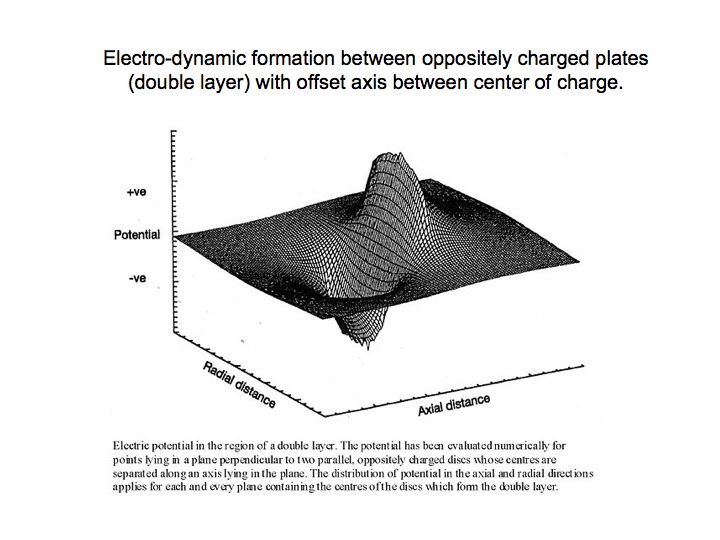
With current internal to the blue marble, and current in the ionosphere that surrounds the atmosphere, the layers in between are like plates in a capacitor with charge on either side. These plates, the atmosphere, and crust of the blue marble, are in charge equilibrium with the internal and external flows of energy.
Because the plates are charge neutral – the atmosphere and crust of the Earth always carry charge, but the vast predominance of matter in these regions is neutral – we live in an equi-potential layer that causes us to perceive equi-potential as the norm.
It’s not. The universe is filled with charged plasma and electric current. The ‘Goldilocks zone’ we occupy is a very special place. It’s special because it’s charge neutral, and balanced, or otherwise things would fly apart. Even so, it’s not without electrical drama. We live inside an electrical circuit.
Thunderstorms and hurricanes race through the atmosphere in the tropics, discharging accumulated atmospheric charge. Volcanoes and seismic zones stripe between the poles like the spiraling seams of a baseball, betraying the flow of current beneath the crust, and discharging to surface on occasion.
Given some change in the Solar System’s electrical environment, these layers become the most energetic. A change in electric field between internal and external currents stresses the equilibrium of the dielectric plates in between. We see it in the atmosphere every day.
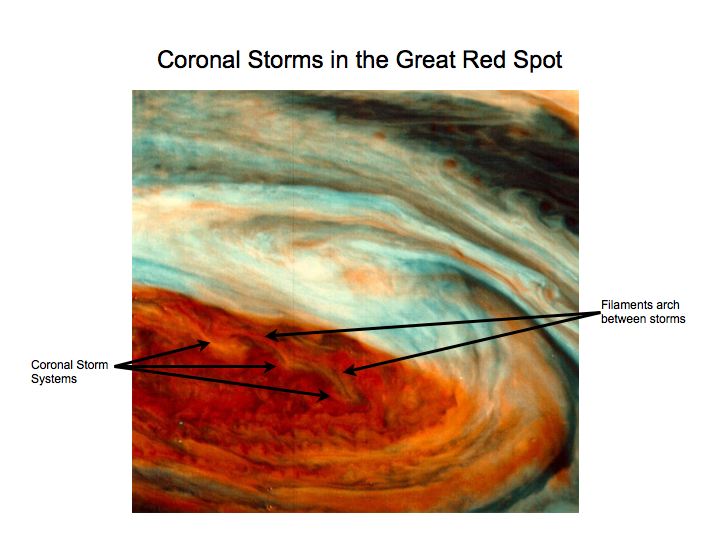
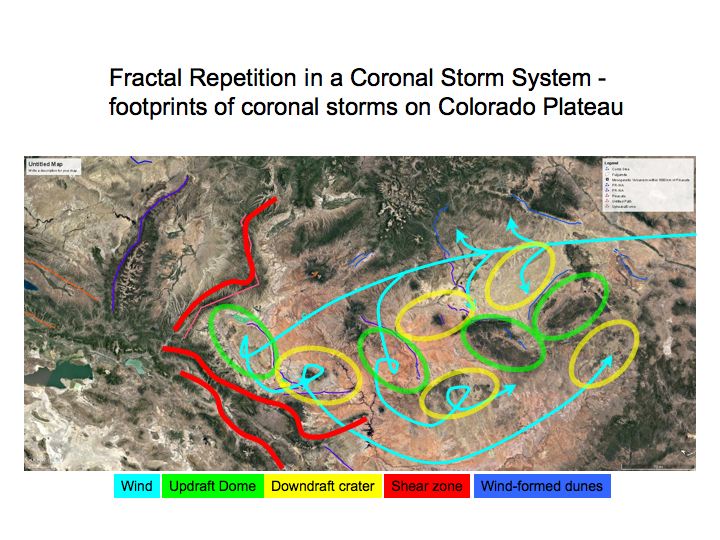
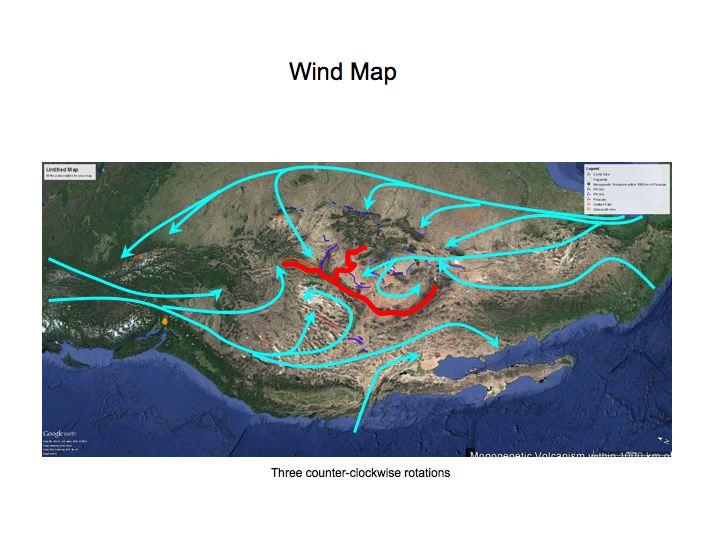
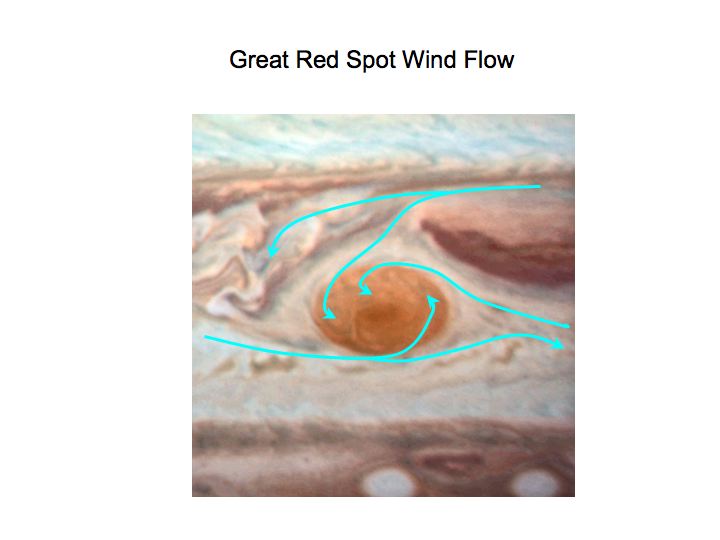
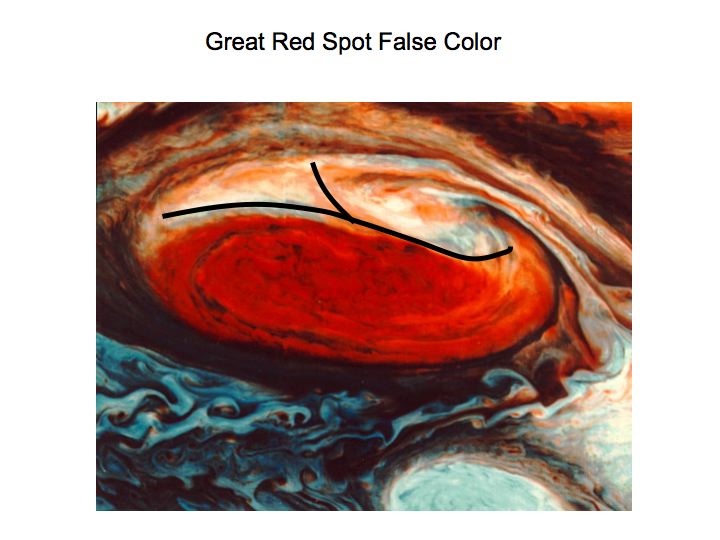
In the course of understanding Earth’s crust, it becomes apparent the surface of the Earth was formed by winds and arcs of electricity more closely associated with the planet Jupiter than the Earth we know today. There is evidence for atmospheric coronal discharges causing gargantuan lightning bolts, surface conductive arcs, dielectric barrier discharges, sputtering discharges and global, uni-polar winds of supersonic velocity that fed vortex storms of immense size and energy. In proportion to Earth’s size, the storms were similar to the giant storm on Jupiter known as The Great Red Spot.
It also becomes evident those same forces are at work today in Earth’s atmosphere and lithosphere, creating the same effects only far milder. Whatever events caused the continents to form was an external influence to the Earth. The Earth’s response was no different then, from how it responds to external influence now, only the magnitude has changed.
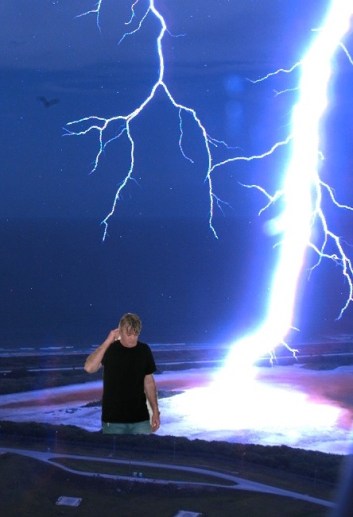
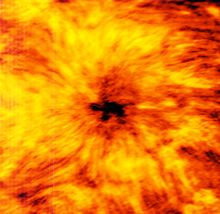
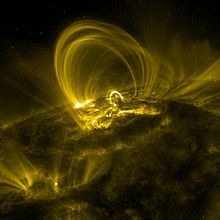
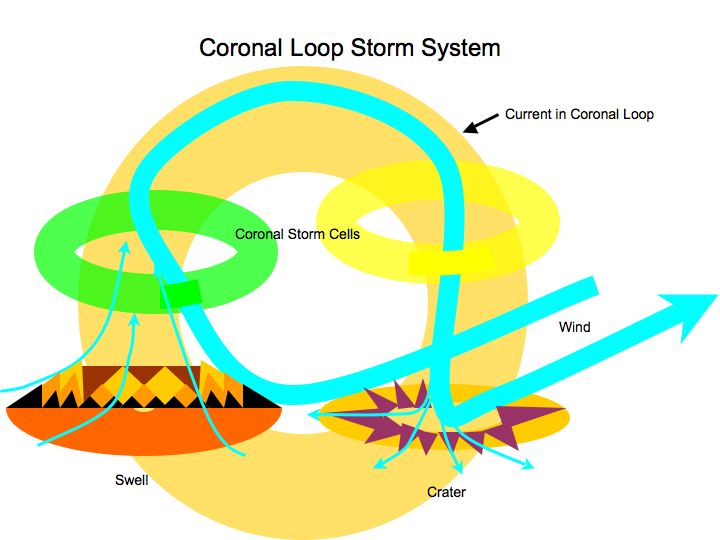
This is how Earth looks from the trailer park. It’s because I watch a lot of thunderstorms – can’t help but notice since the roof leaks. Thunderstorms are the result of Earth’s electrical currents. They are themselves coronal loops.
Thunderstorms are a consequence of the dielectric breakdown of the atmosphere as it is subjected to an intensified electric field. Since we know more about them than we know about the Great Red Spot on Jupiter, or coronal storms on the Sun, they are the best place to begin understanding coronal dynamics on Earth.
 Your getting it straight from the trailer park were I live, which is a pretty humble perspective. An unvarnished, earthy reflection on what is really important, which is a perspective I have because I don’t spend my time like most. I’ve taken to a semi-hermetic lifestyle that allows me to contemplate the Big Questions in the sublime quietude of a retiree’s mobile home park.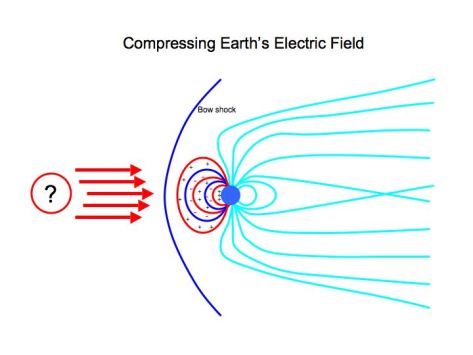
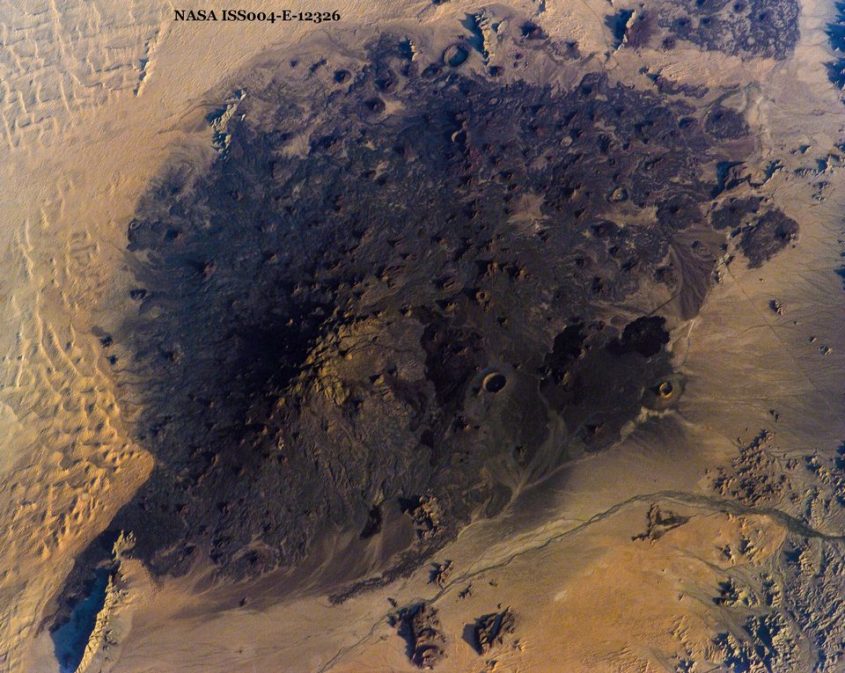
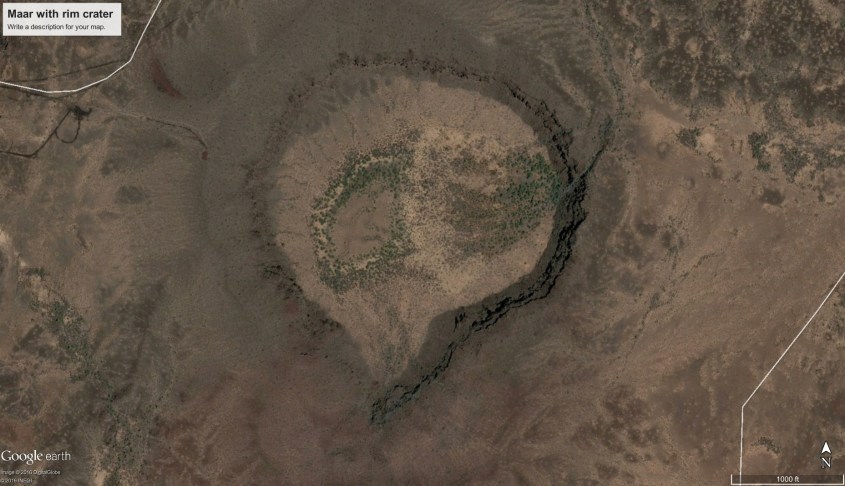
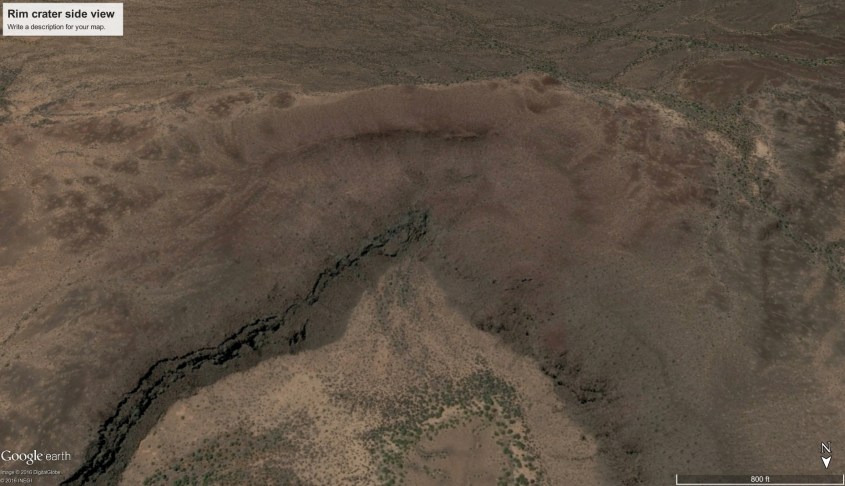
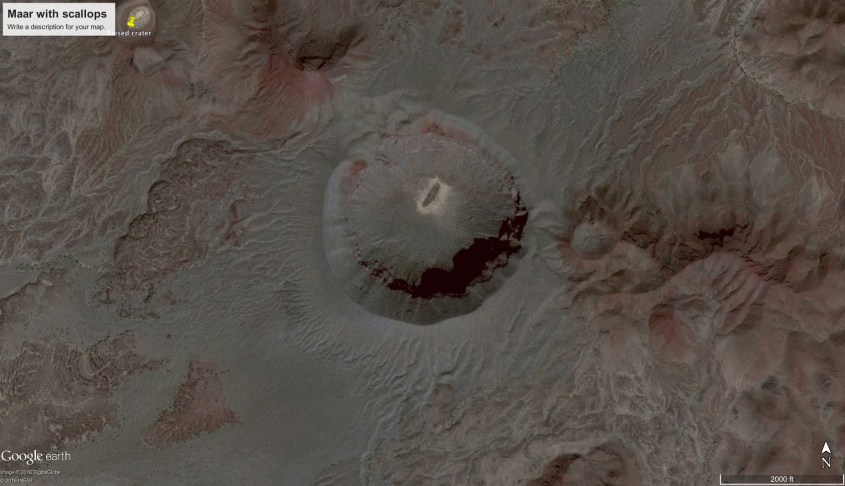
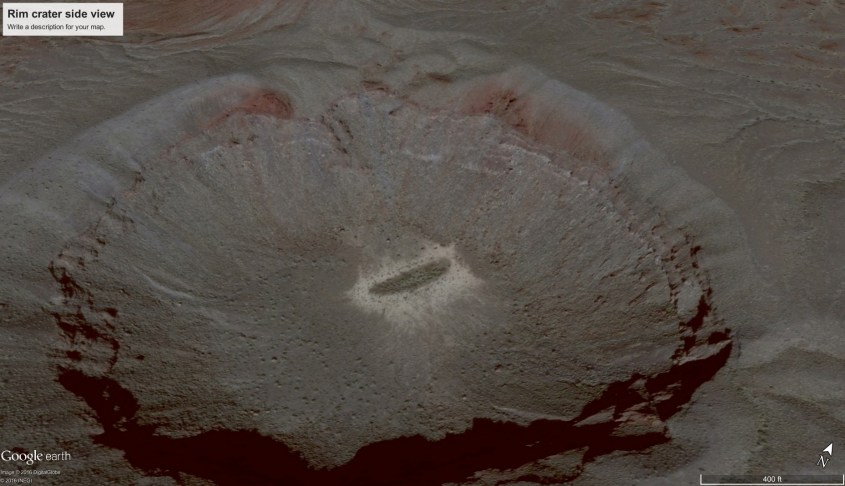
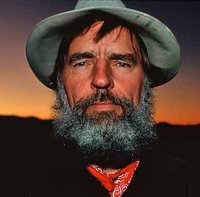 It’s location in the desiccated Altar Desert of Sonora is the reason it has remained pristine. As Edward Abbey wrote of the Altar: “This region is the bleakest, flattest, hottest, grittiest, grimmest, dreariest, ugliest, most useless, most senseless desert of them all. It is the villain among badlands, most wasted of wastelands, most foreboding of forbidden realms.” In other words, it was one of Abbey’s favorite places.
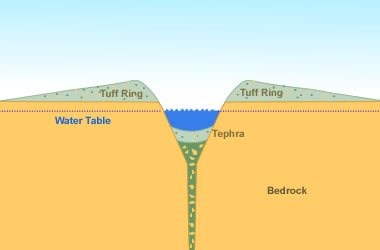
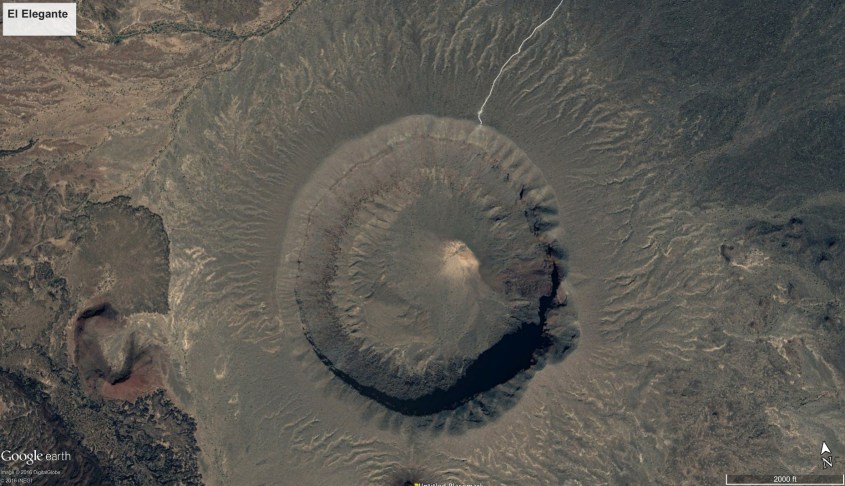
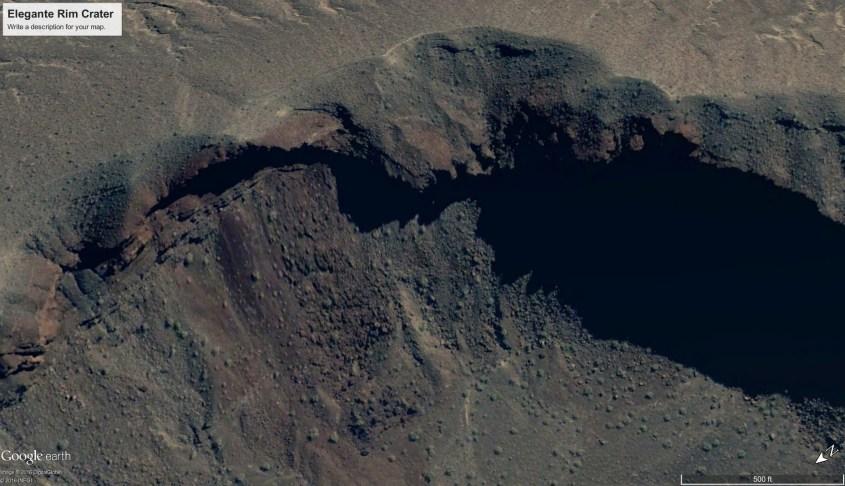
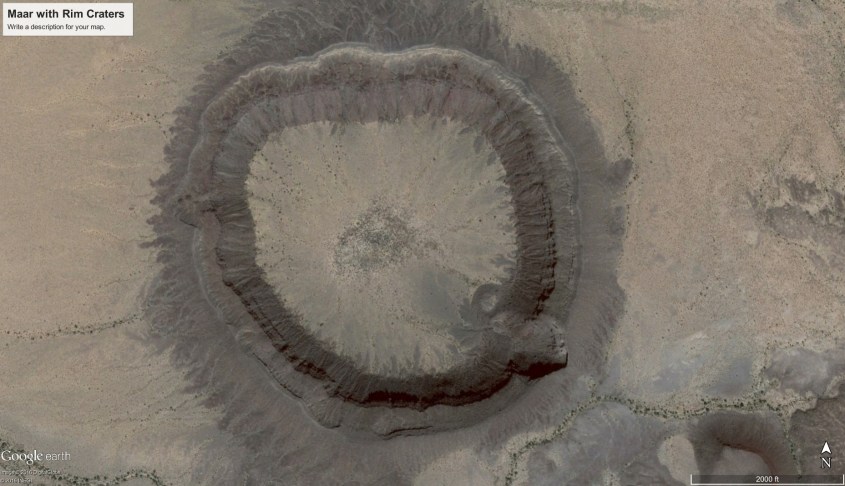
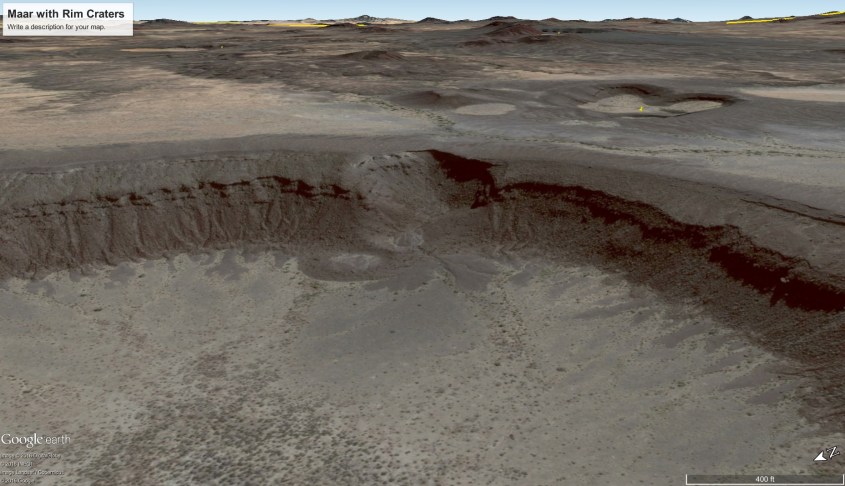
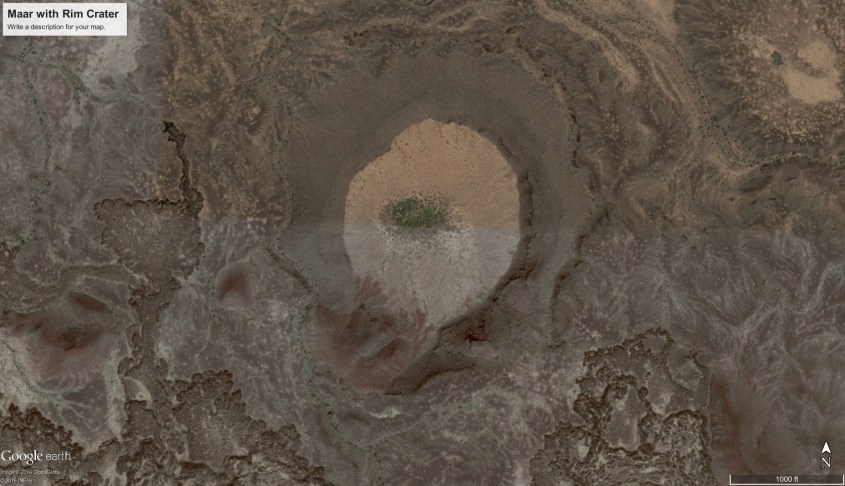
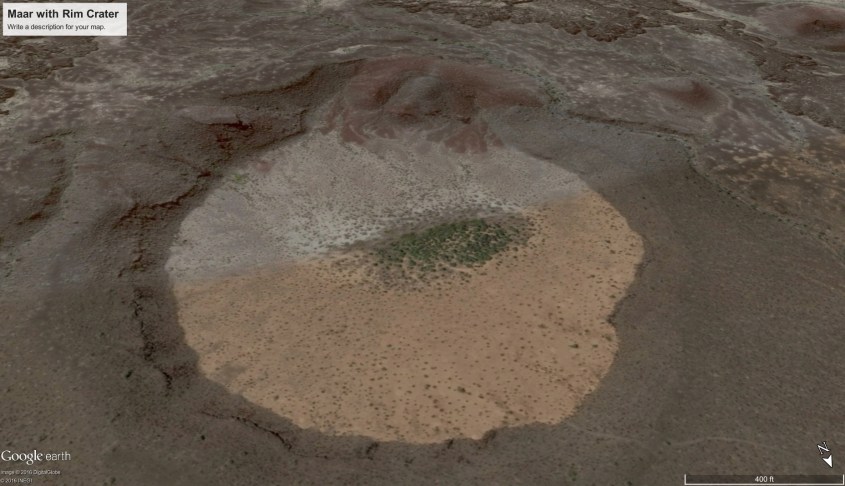
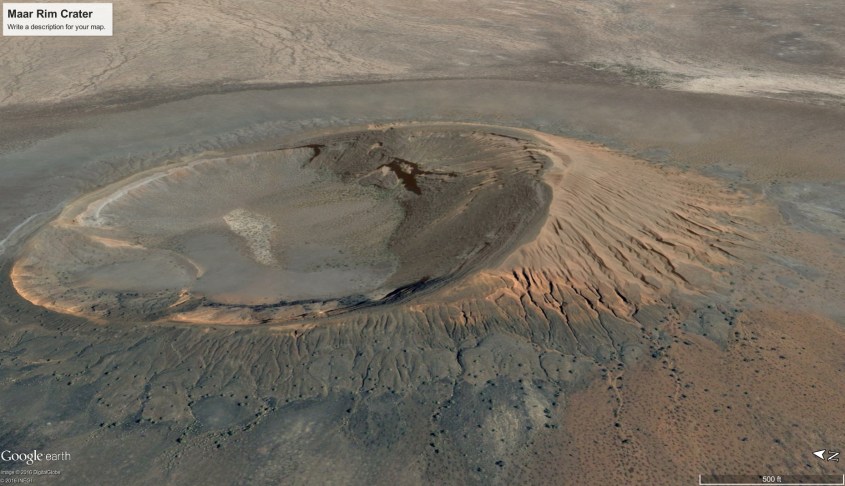
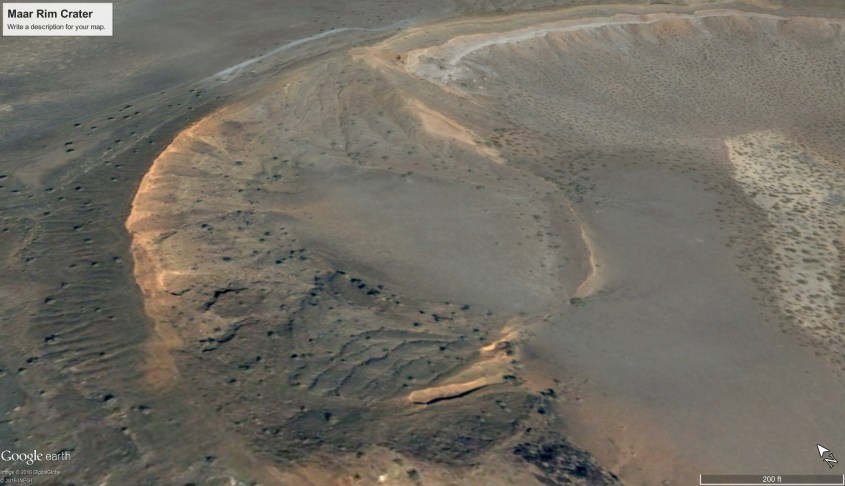
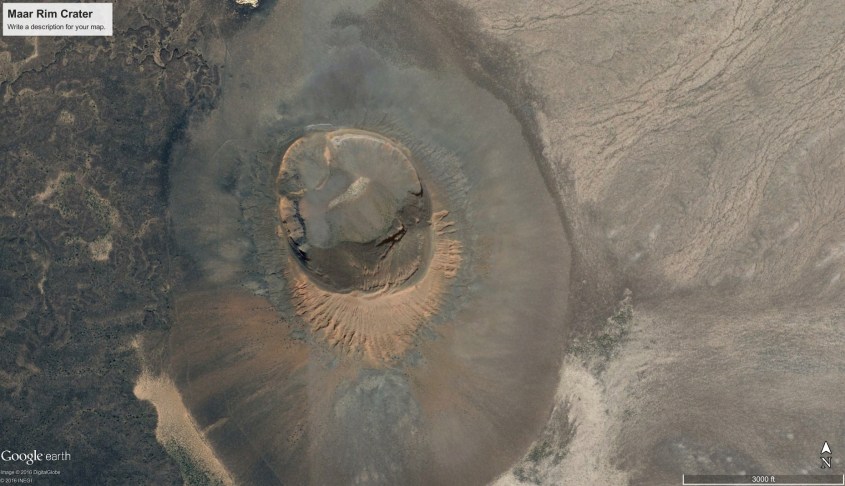
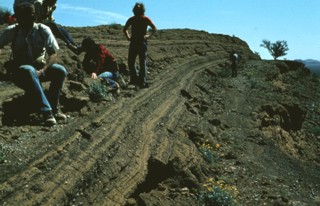
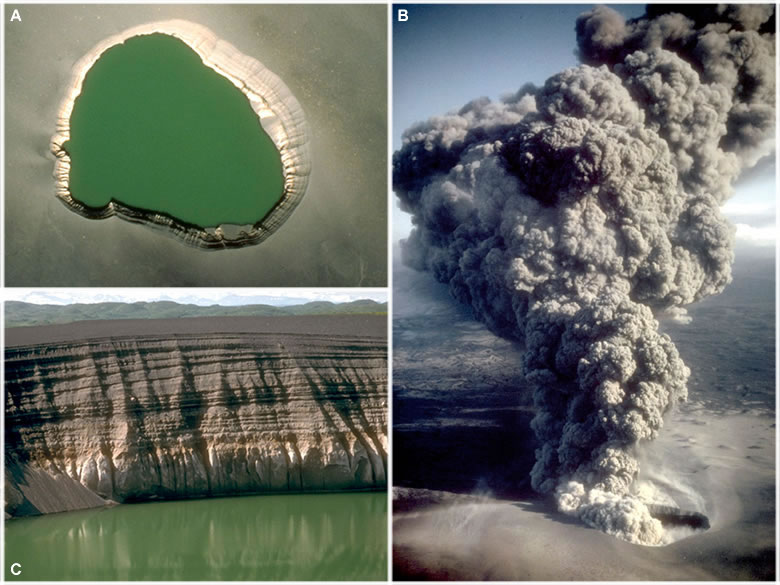
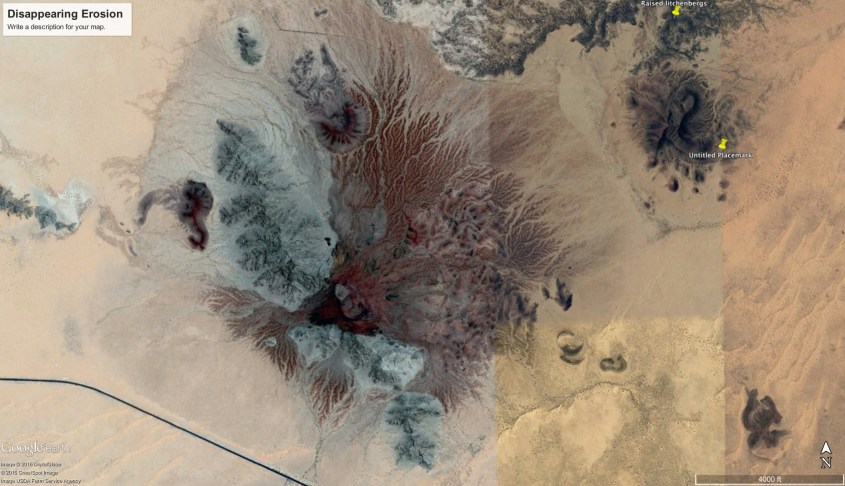
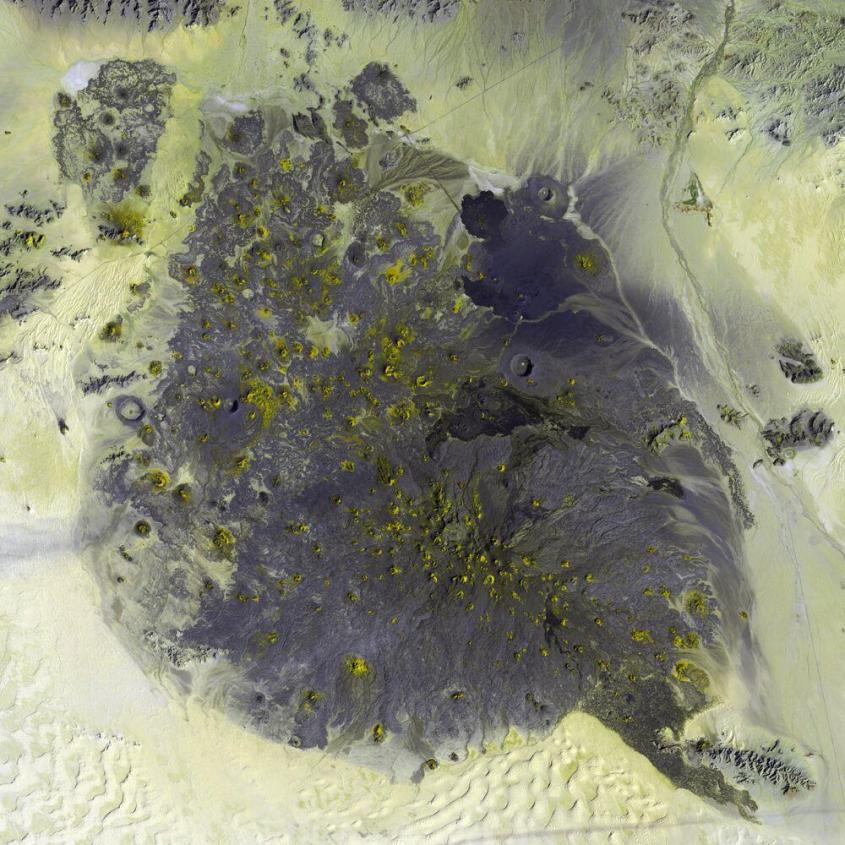
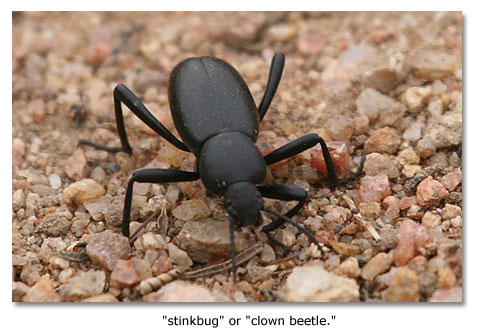 Its many lava flows and tephra beds portray the Pinacate as the result of three volcanic periods. First it developed as a shield volcano, raising the mountain that gives the field its name.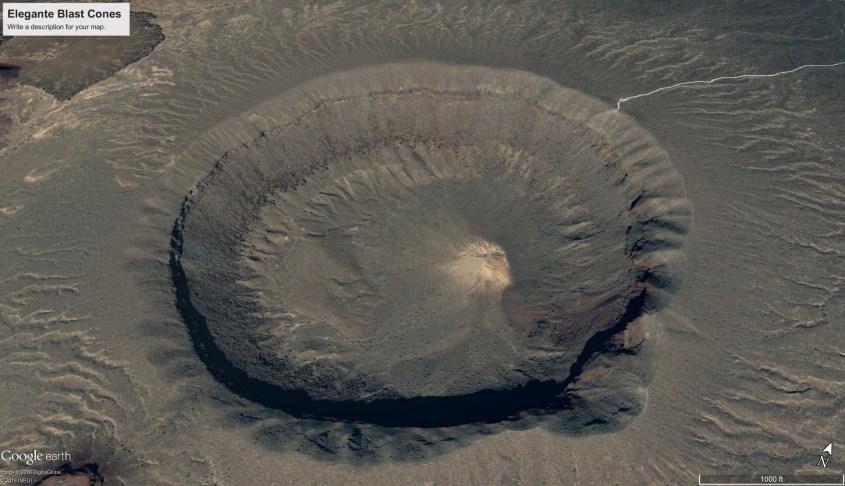


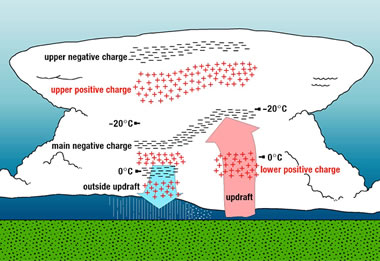
 The study indicates updraft winds won’t produce much lightning until they reach 10 to 20 mph. Then strike frequency escalates with updraft speed. From 20 to 50 mph wind speeds, lightning frequency might be 5 to 20 strikes per minute, whereas above 90 mph, the flash rate can exceed one strike per second.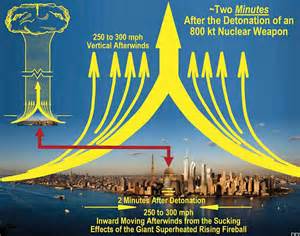
 Consensus science has concluded there are two forms of volcanic lightning. Researchers led by Corrado Cimarelli, a volcanologist at Ludwig Maximilian University in Munich, Germany, studied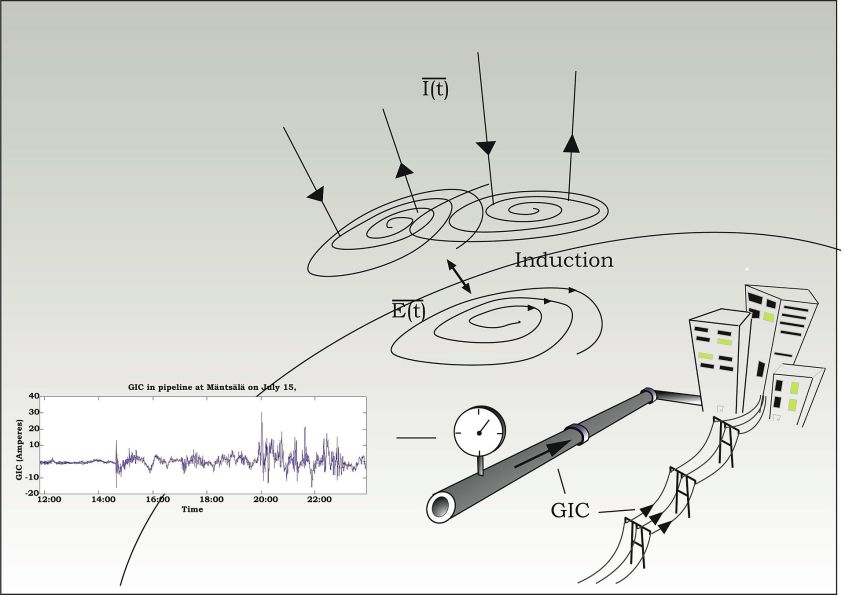
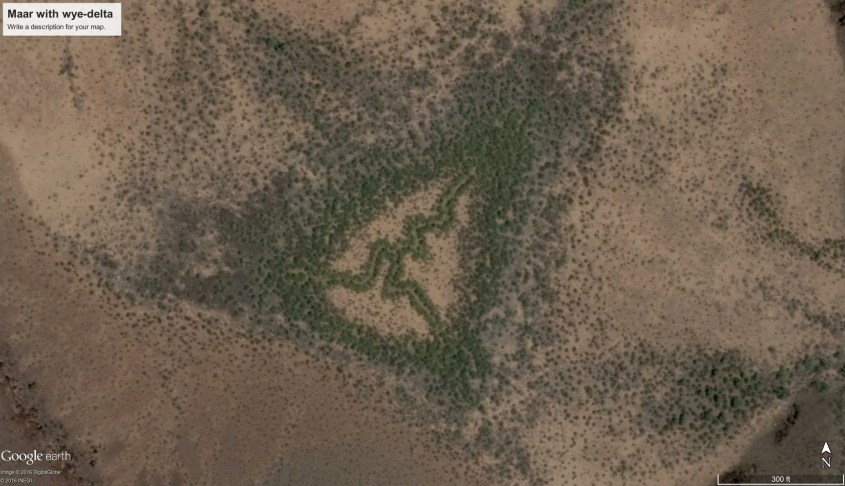
 GIC may not be the only source of electrical current on and under the ground. After all, the rush of lava and gases through vents in Earth’s crust would seem to require a lot of things rubbing and colliding. It seems necessary this would build static charge and cause discharges deep within the earth, even by consensus reasoning.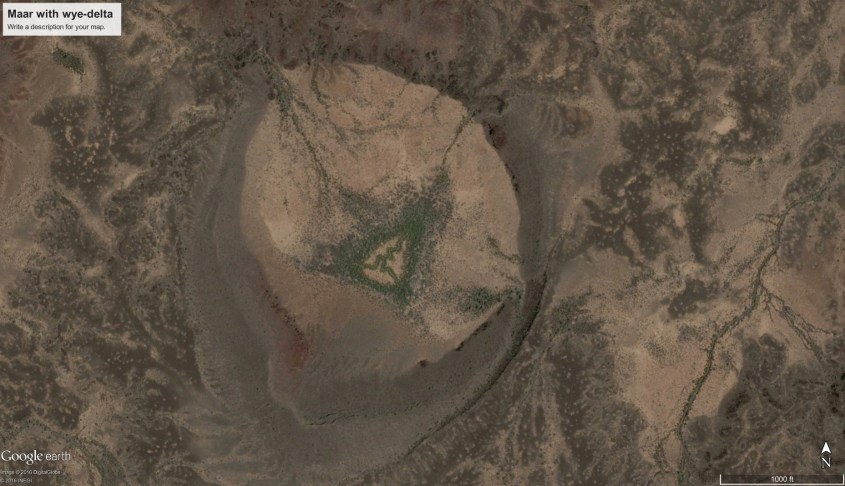
 Deep craters at the polar regions of the moon never see sunlight. Within these eternally dark and frozen craters, cosmic rays are bombing the surface, creating a double layer of opposite charge, because it is theorized, electrons penetrate to the subsurface, while positive ions hit and collect at the surface – it’s always the collision thing.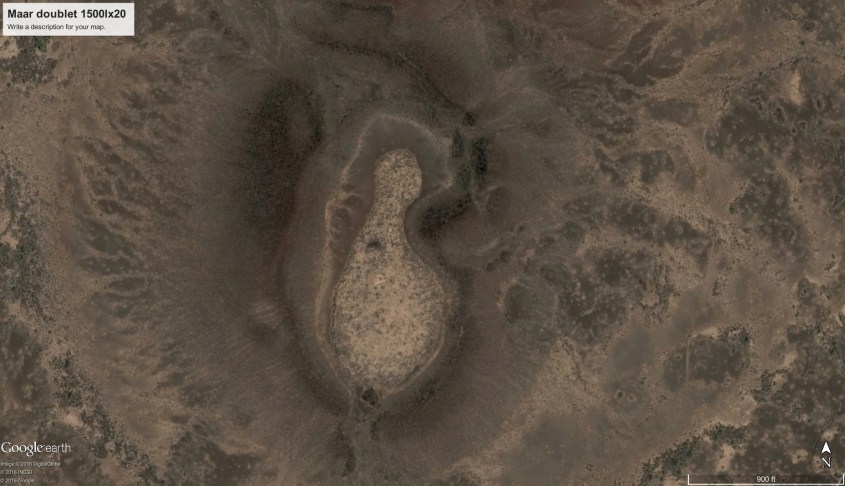
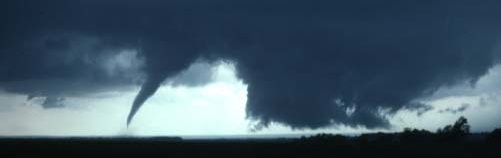
 No one fully understands tornadoes. Scientists and weather nerds chase them all over the Midwest every spring; they can’t hide. So what’s the mystery?


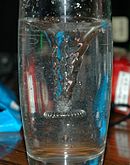 If you want to make a whirlpool fast, put the spoon all the way down and stir at the bottom of the bucket. Then it forms quickly, like opening a drain. To ‘descend’, the vortex needs to be pulled down by the low pressure created by centrifugal effects of the rotating water around it. If the bulk body of water around the vortex isn’t rotating, the funnel loses coherency and dissipates.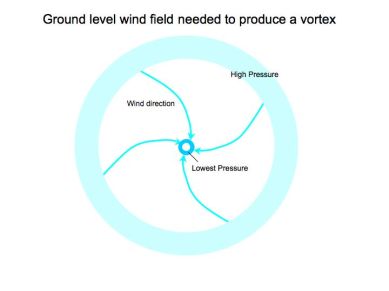
 Another theory proposes that the vortex is drawn to the ground when a descending column of air and rain wraps around a funnel cloud.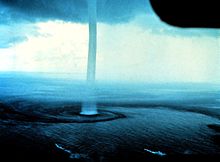
 Did they see one tornado fluctuating in strength, or two vortexes in sequence? The disappearance and reappearance is so rapid it is hard to imagine the atmospheric dynamic that would cause it.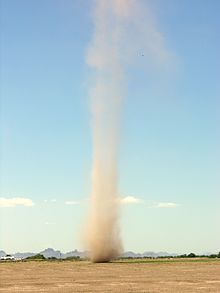
 Updraft winds don’t produce much lightning until they reach 10 to 20 mph. Then strike frequency escalates with updraft speed. From 20 to 50 mph wind speeds, lightning frequency might be 5 to 20 strikes per minute, whereas above 90 mph, the flash rate can exceed one strike per second.
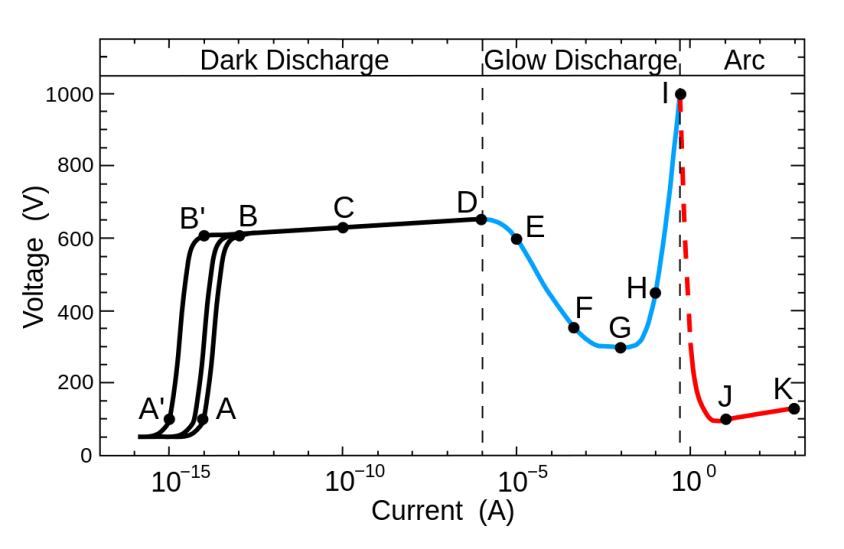


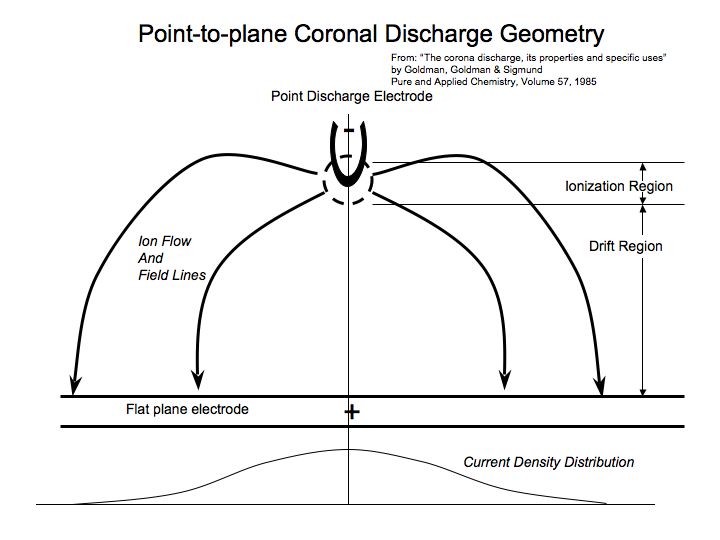
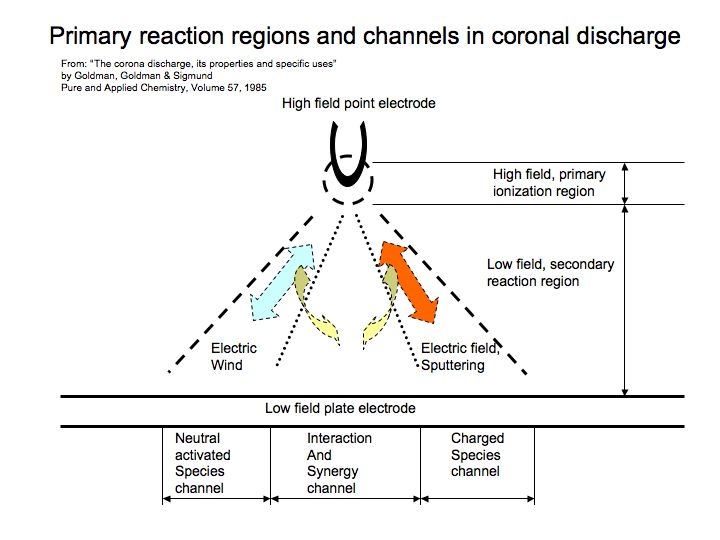 The geometry in a negative corona is three concentric regions of emission. The inner region, corresponding to the peak distribution of charge density, is ionizing plasma where high energy primary electron-neutral collisions avalanche. The intermediate ring is a non-ionizing plasma where electrons collide with neutral oxygen and water vapor with insufficient energy to avalanche, but produce a plasma of primarily negative ions that drift to the flat plate electrode and complete the circuit. The outer region is a flow of negative ions and sparse electrons known as the unipolar region.
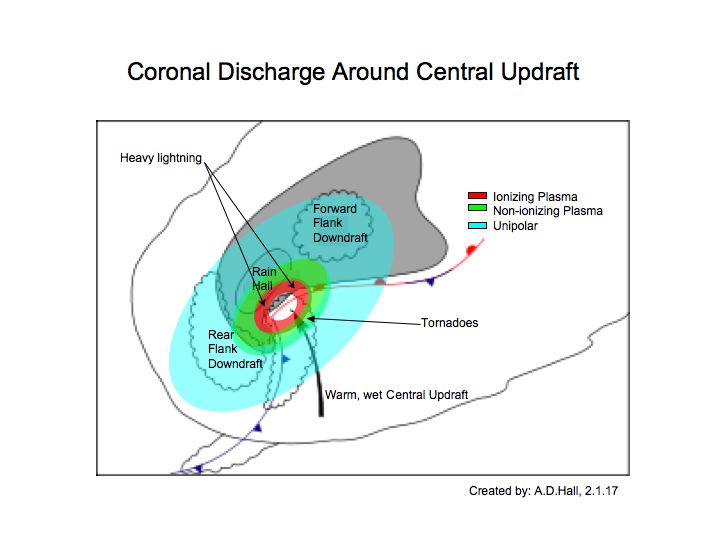 The Ionizing Plasma Region…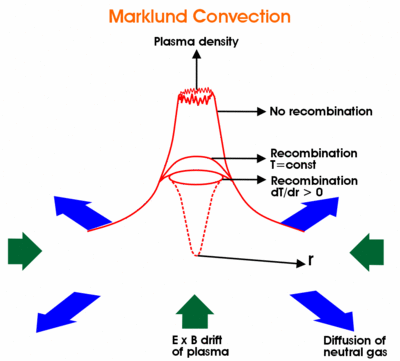


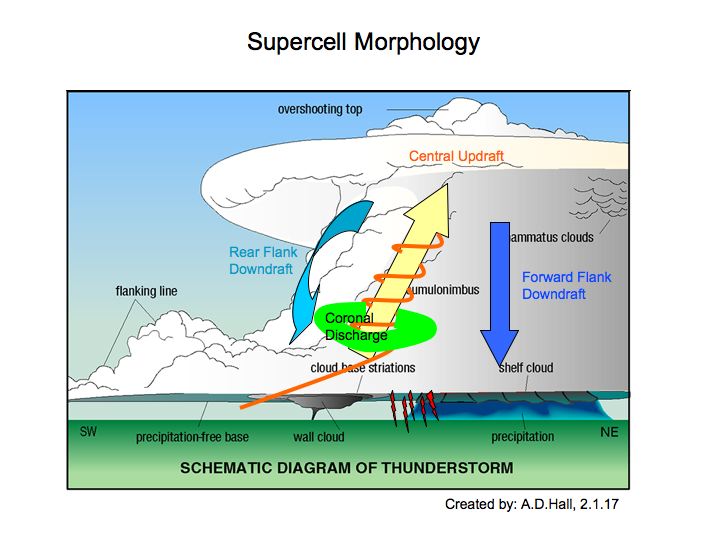
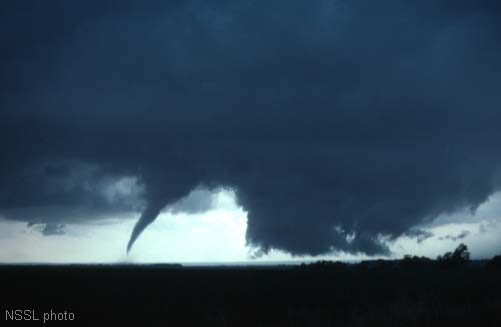 The funnel cloud doesn’t always emerge from the center of the wall cloud, as shown in most consensus science diagrams. The tornado funnel often appears along the edges of the wall cloud, or from the surrounding clouds.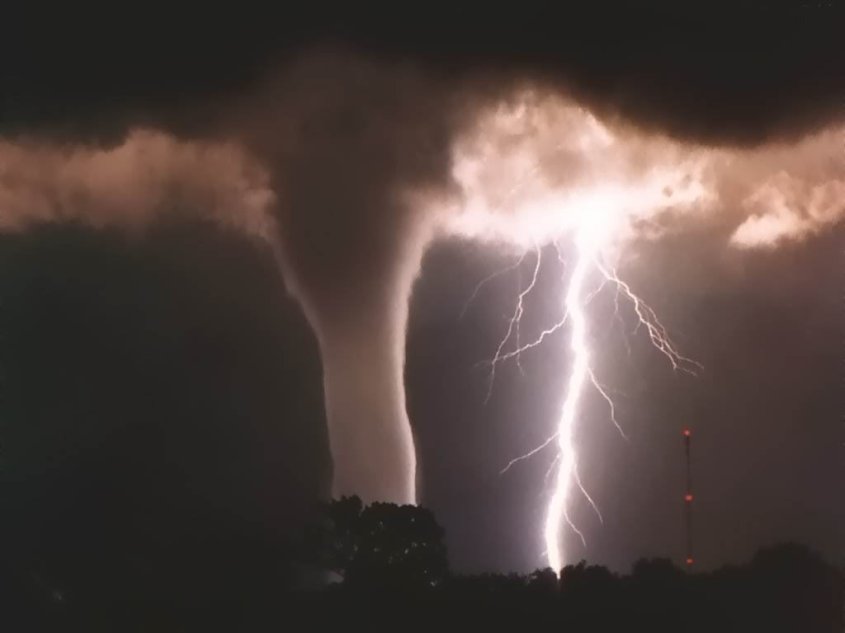
 Mr. Keller also reported he heard hissing sounds from the multiple vortex tendrils at the base of the funnel. Funnel clouds and small tornadoes are known to produce harmonic sounds of whistling, whining, humming, or buzzing bees, like electricity. As ozone is liberated it produces such a hissing sound.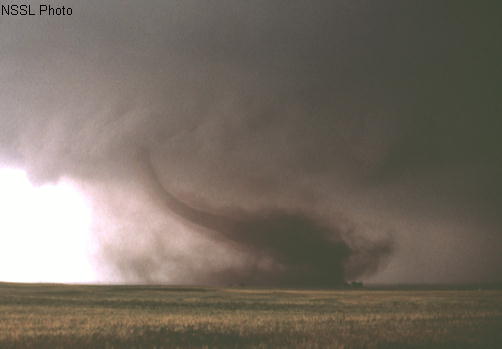
 So what if there is no super-cell? How do all the other vortex phenomena form – landspouts, waterspouts, gustnadoes and dust devils, and how are they related.





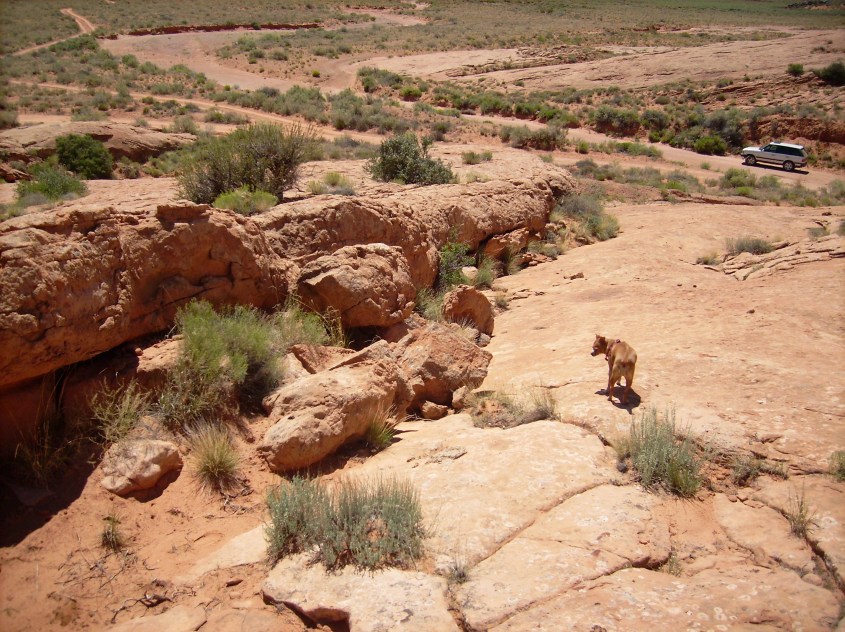

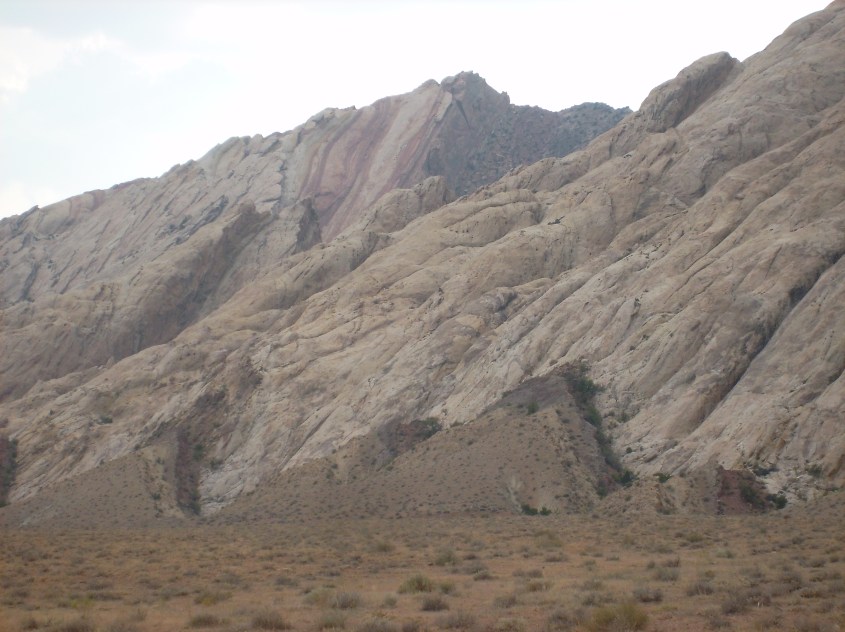

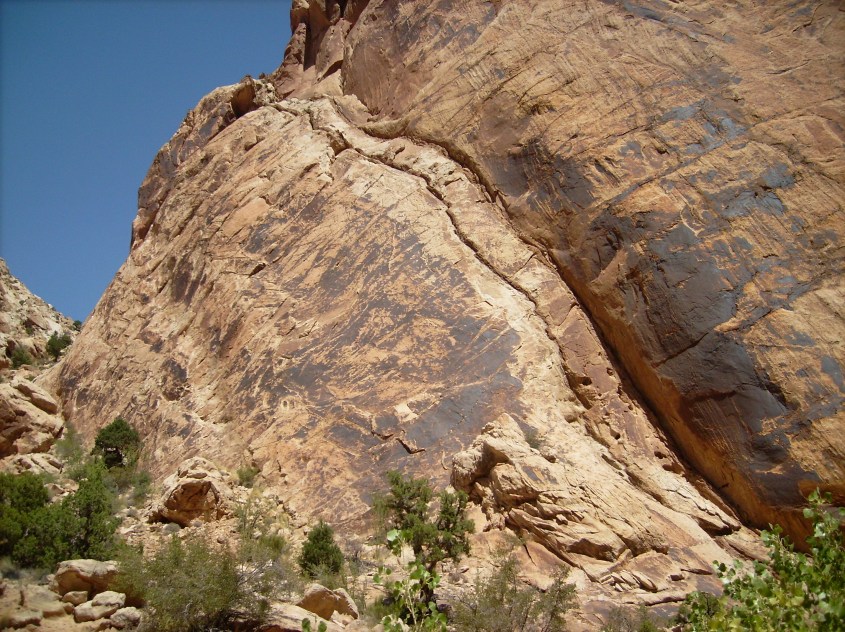
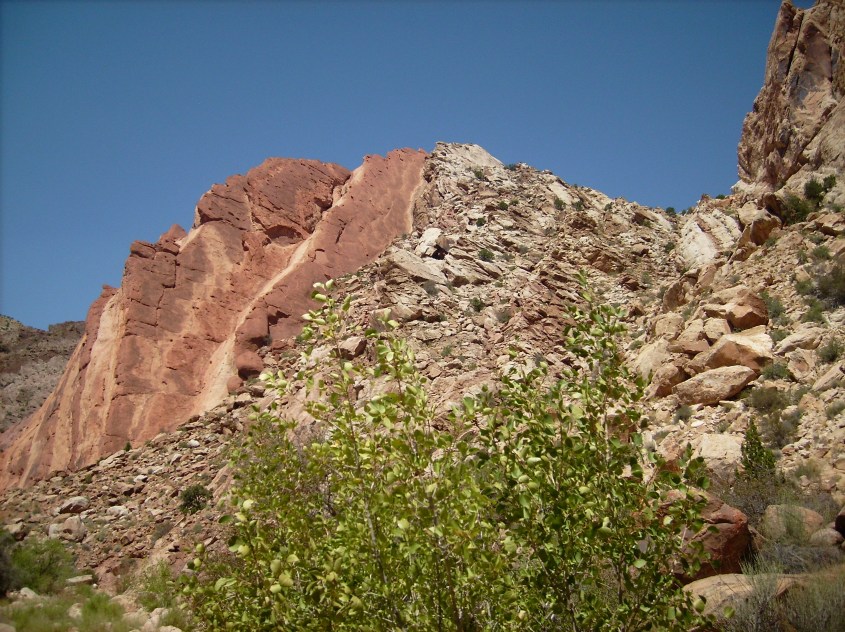
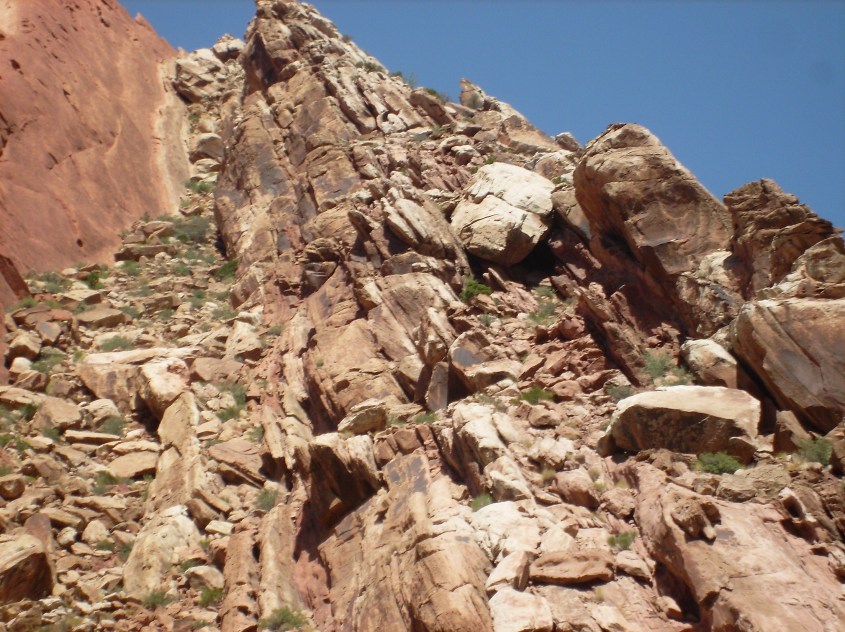

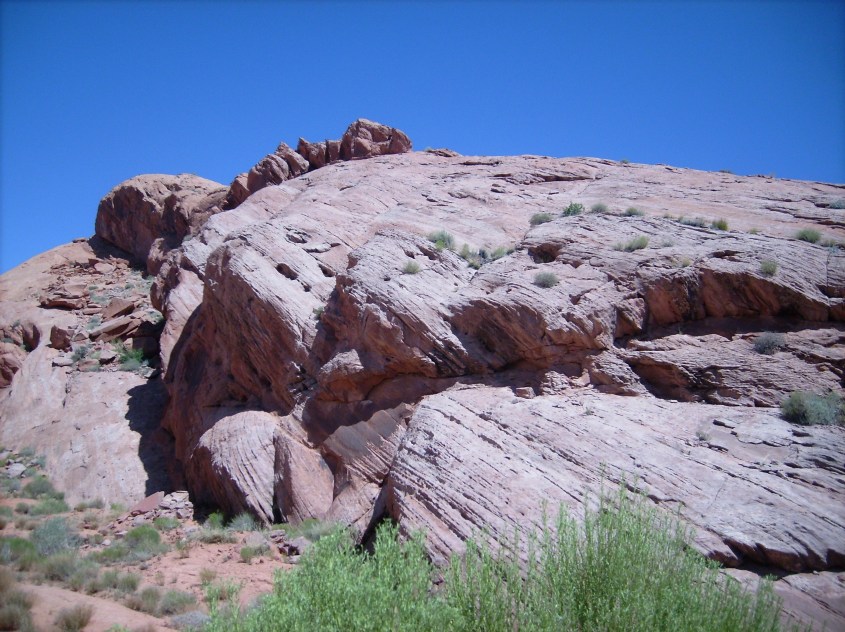





 Down river we drove, surveying each campsite along the way. Here, the river cuts through a deep walled chasm favored by rock climbers. So the camps were full of these spider people; a strange, underfed and insular cult, festooned with colorful webbing.
 I watched the sun angle below canyon walls, wondering how long until it cooled inside the tent to be bearable. I paced back and forth in smoke to foil the mosquitoes, my skin cooking from fire, my insides cooking in vodka, and fever in my brain from both.


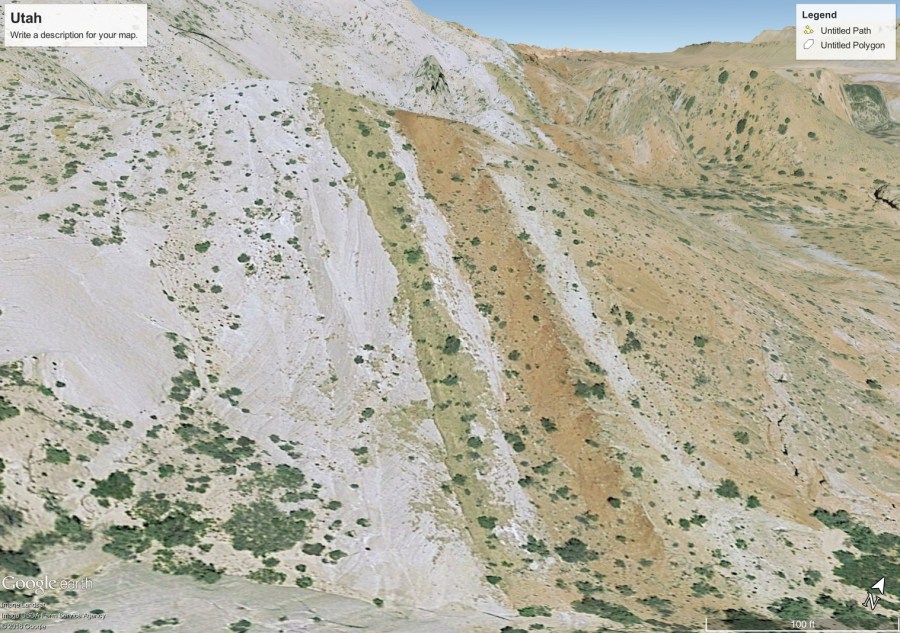


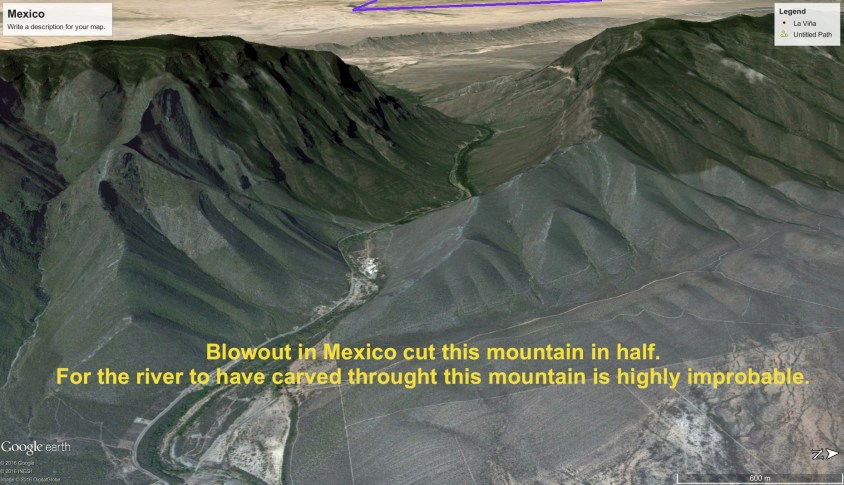
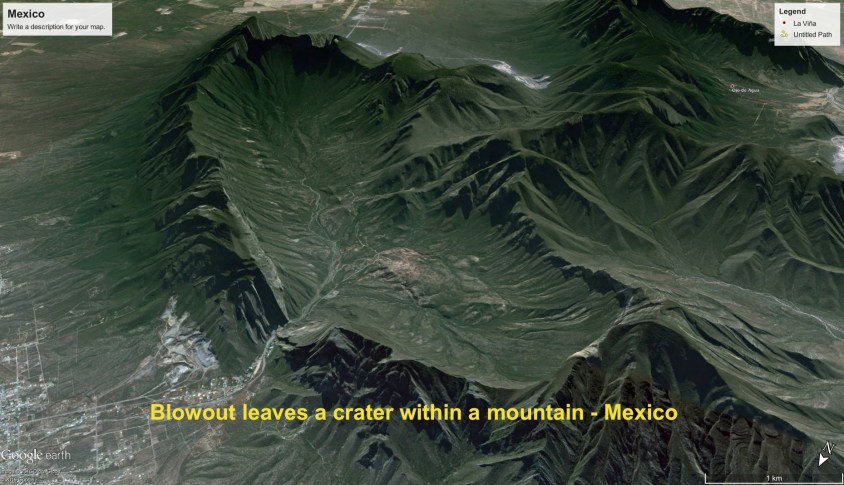
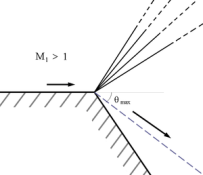
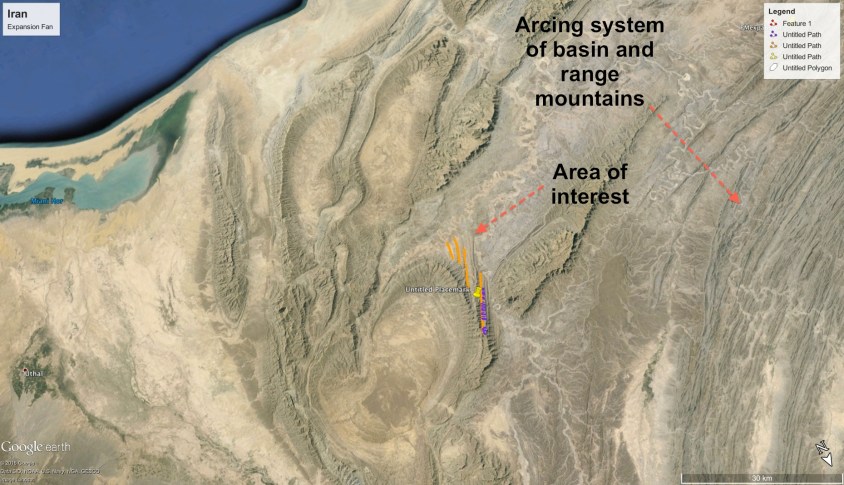
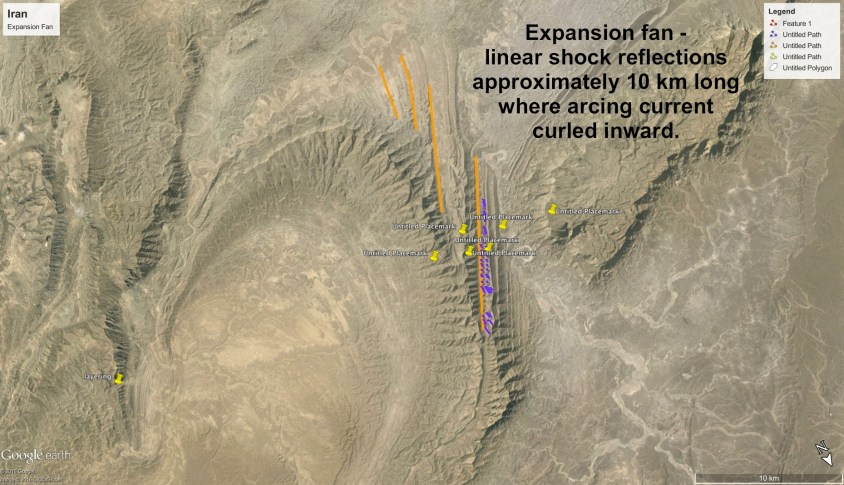
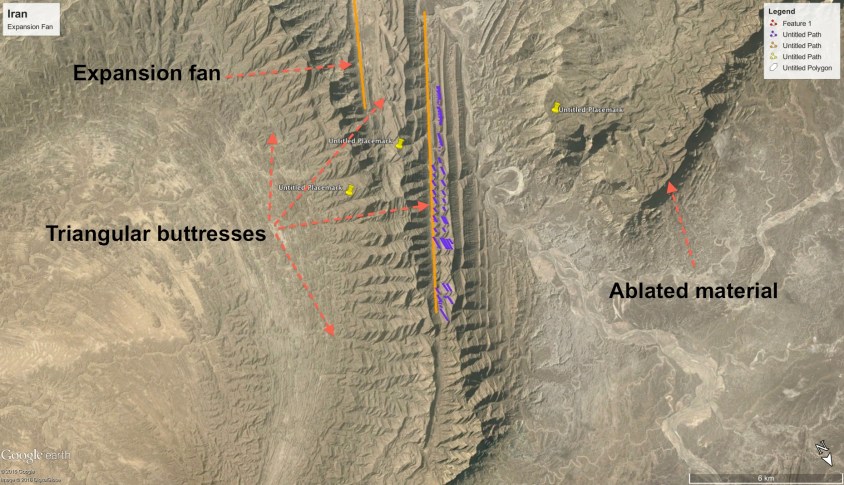
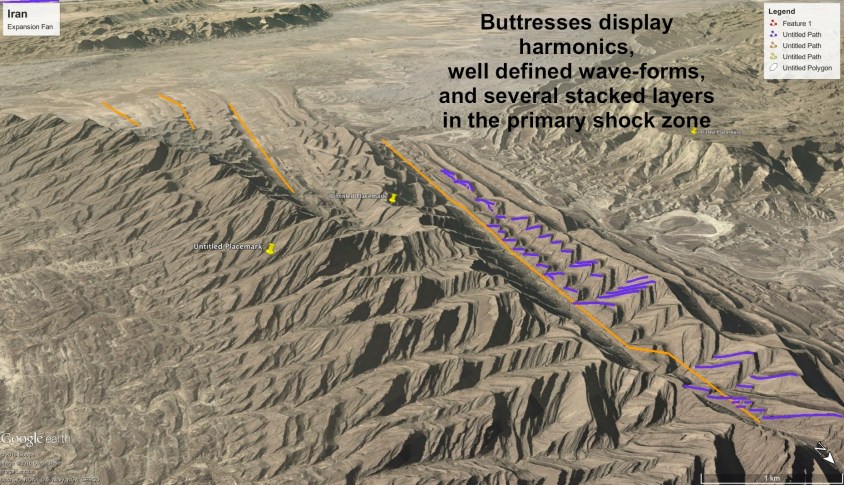

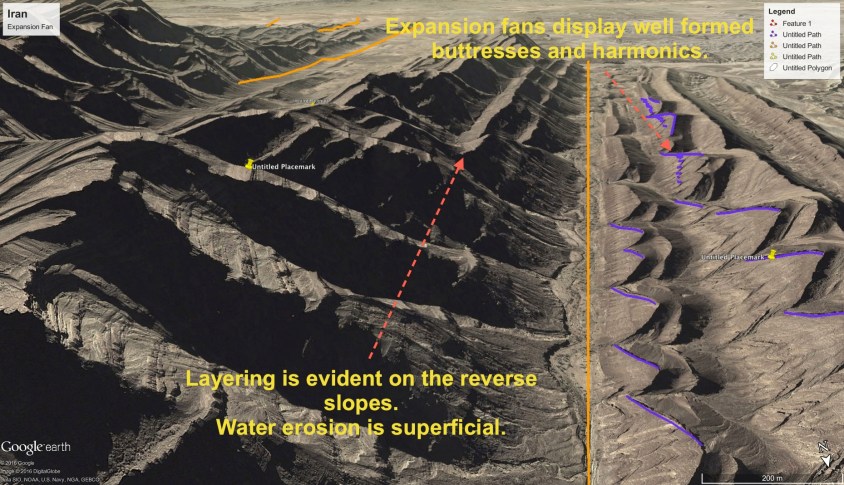
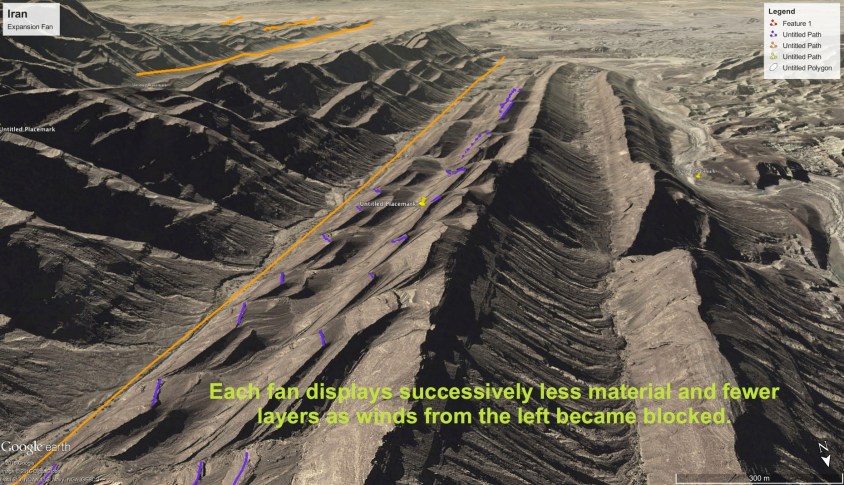
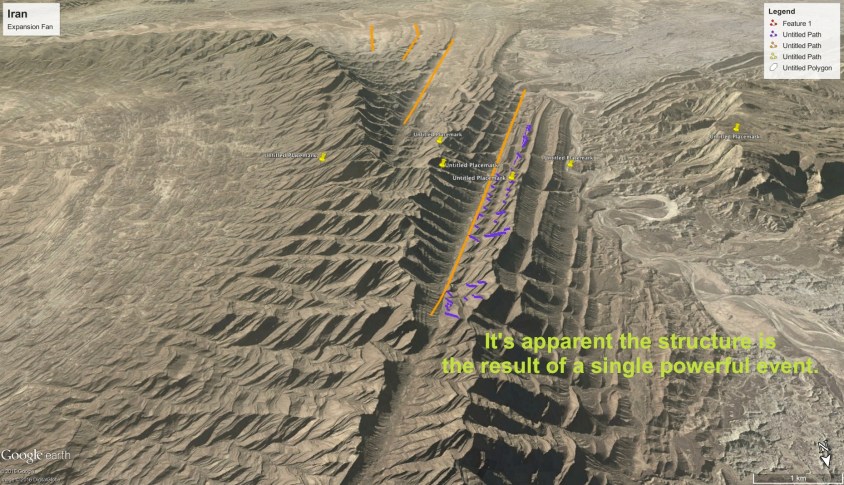
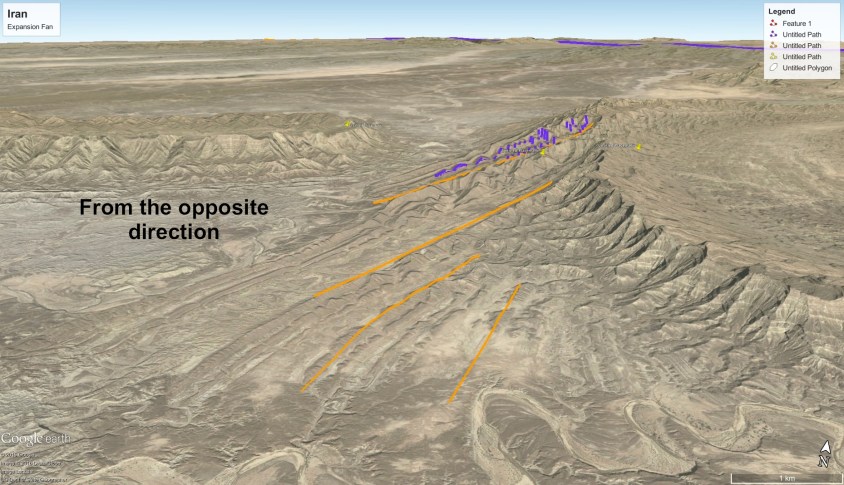

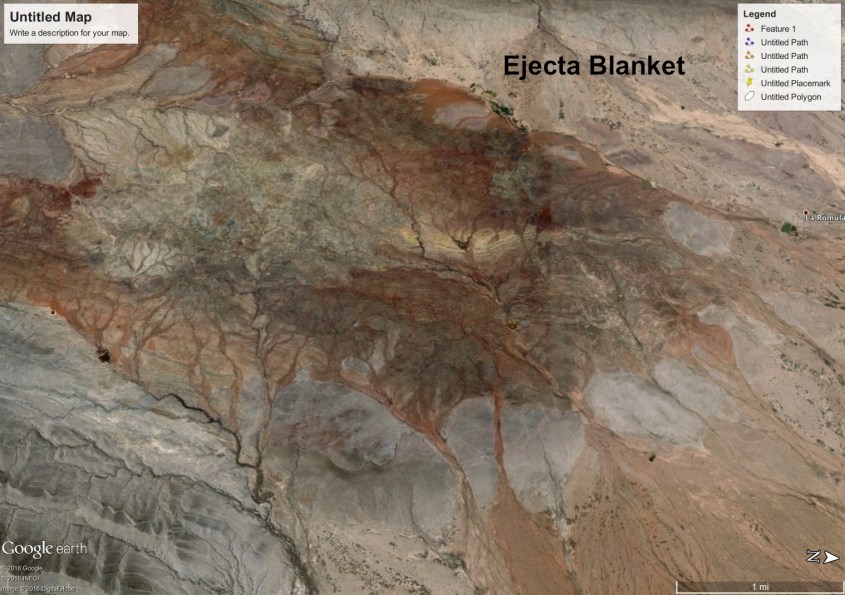
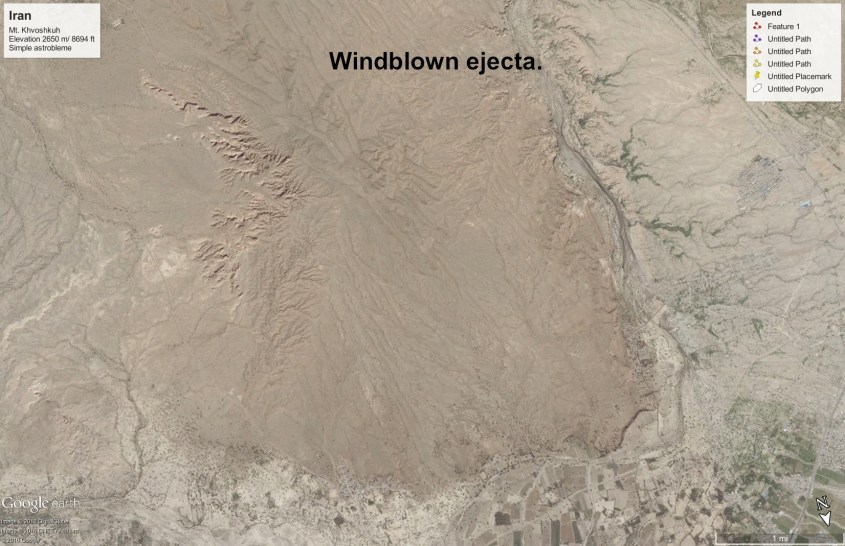
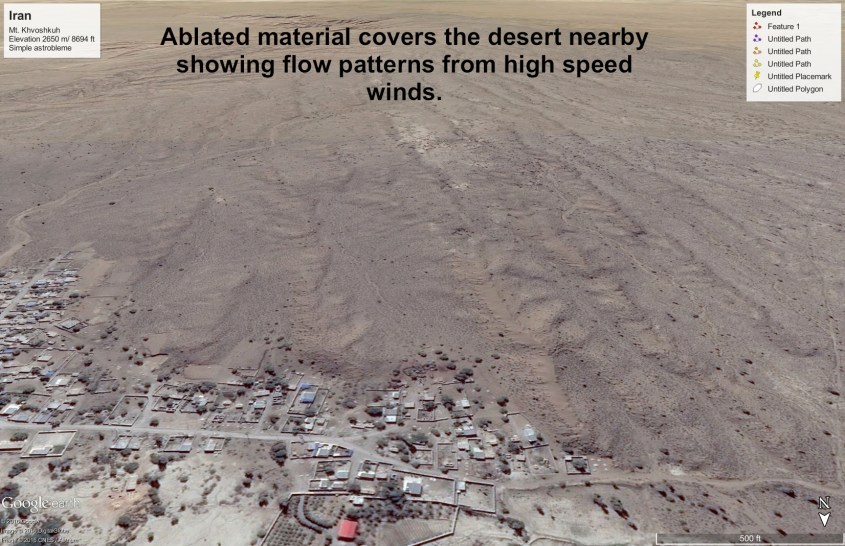

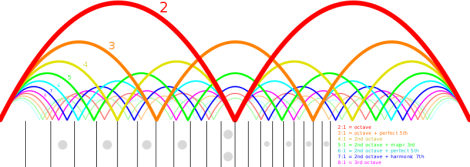
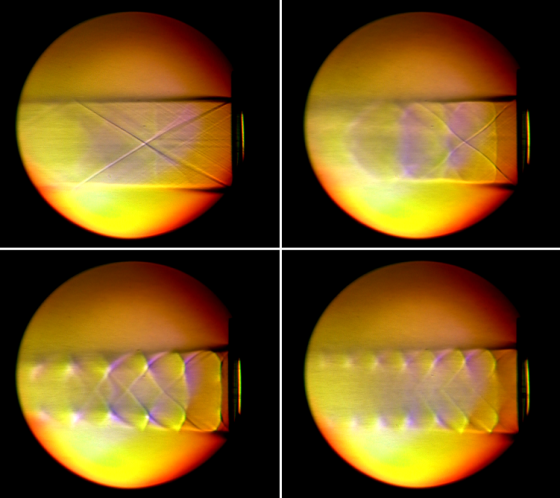
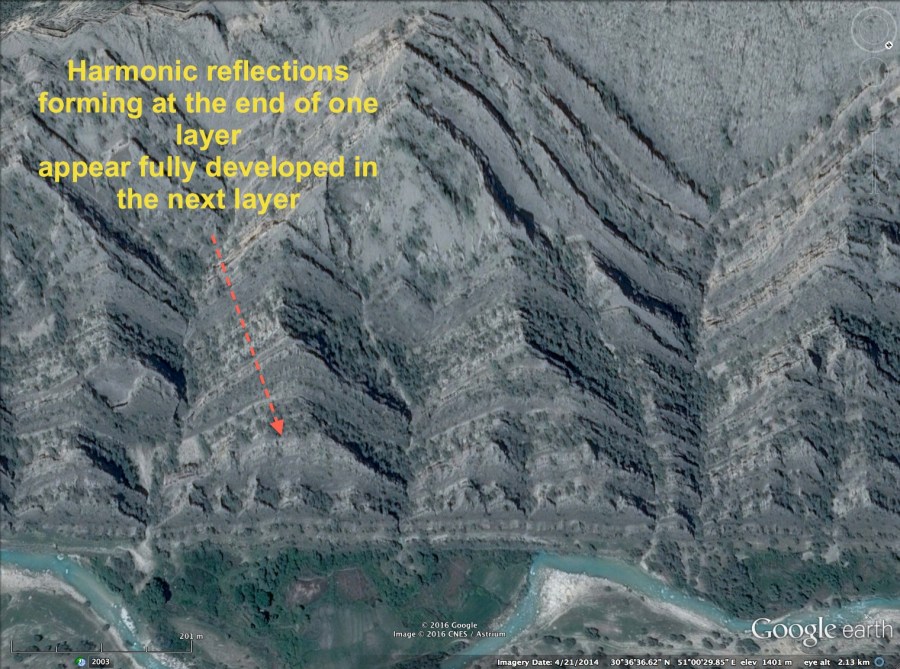
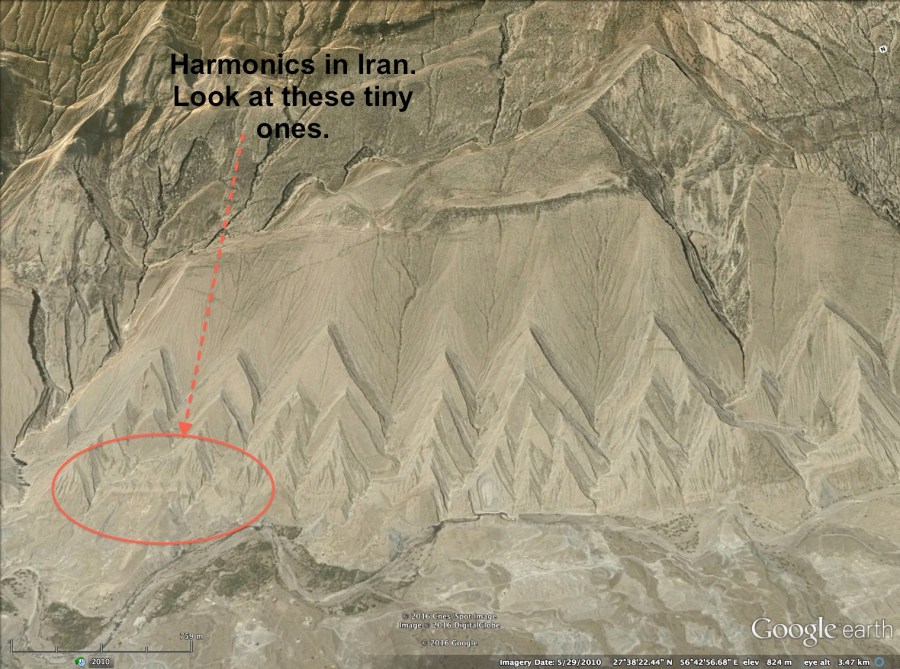
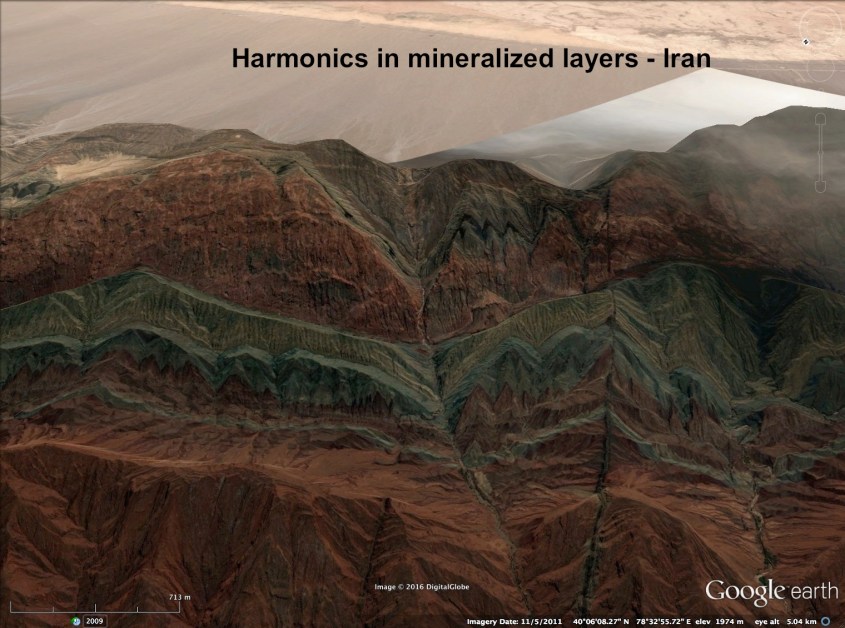
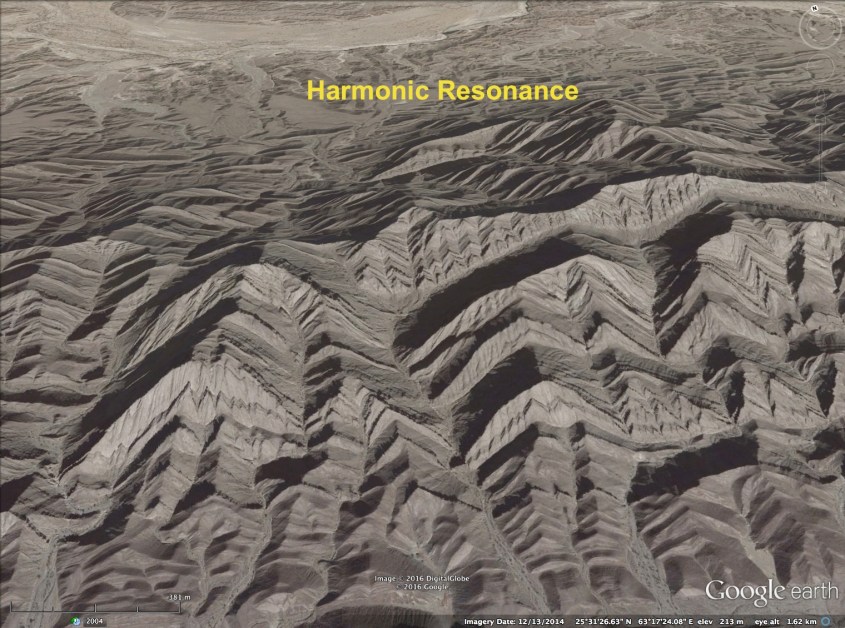
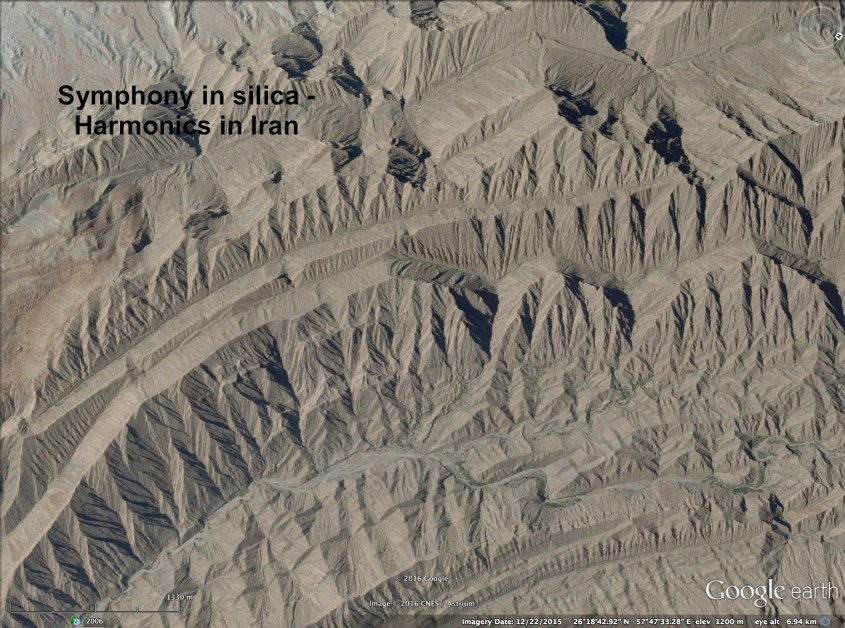
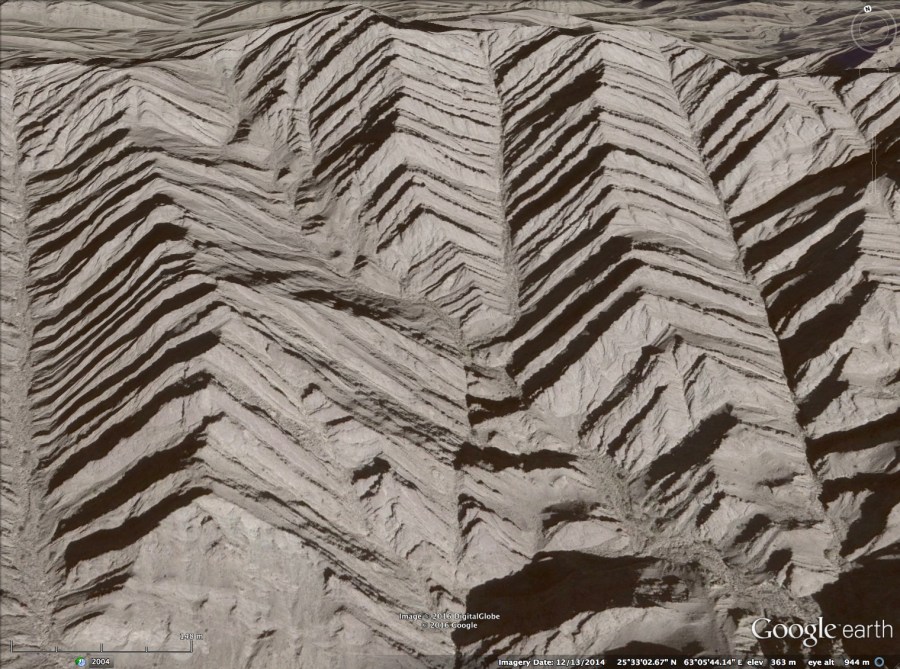
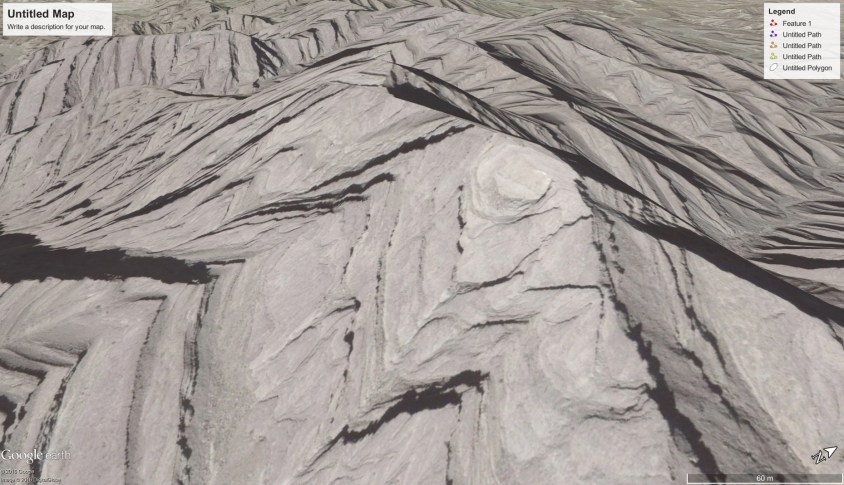
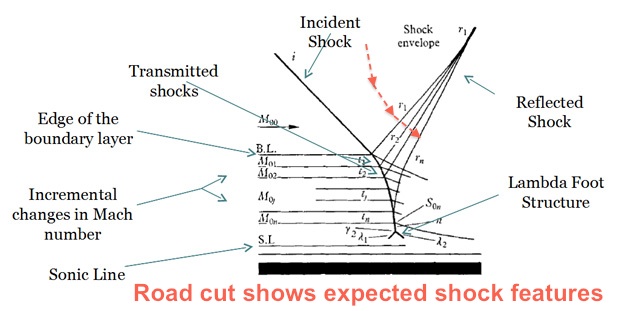
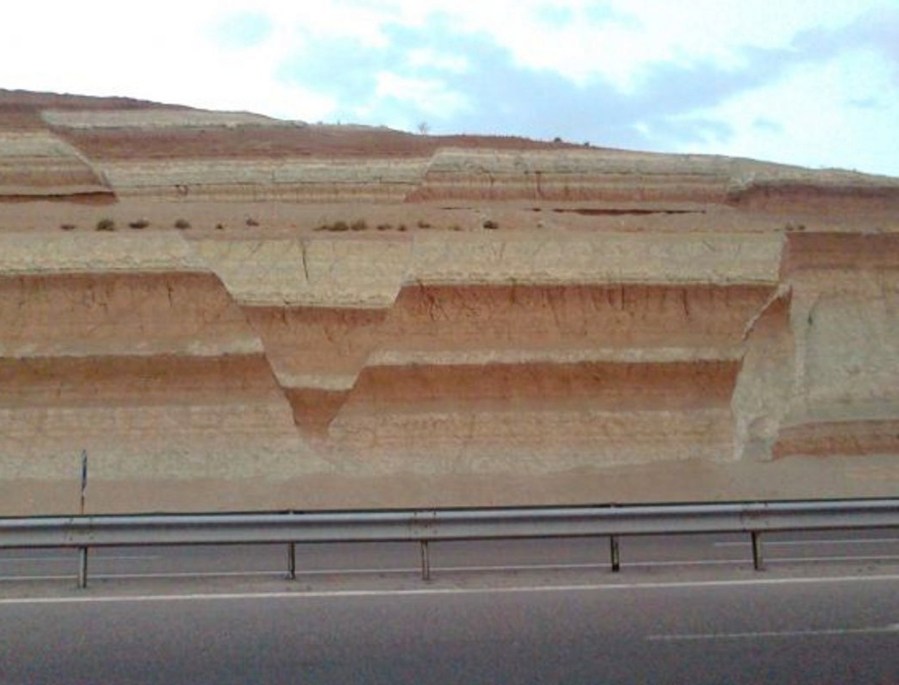
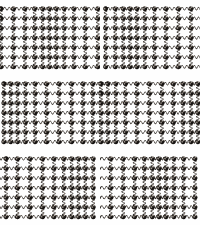
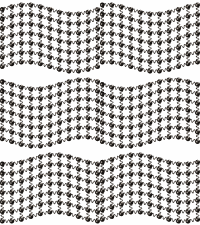
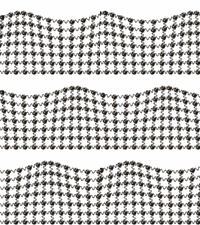
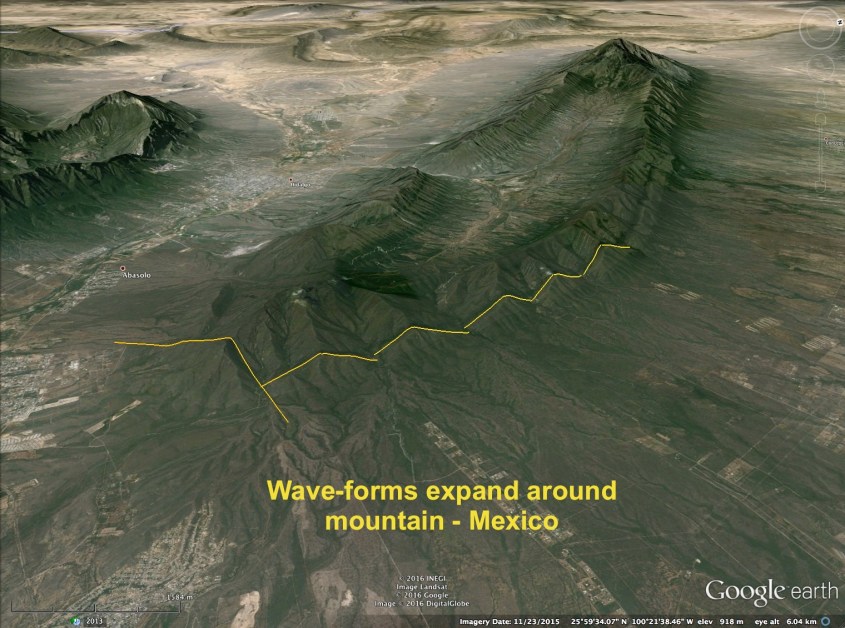
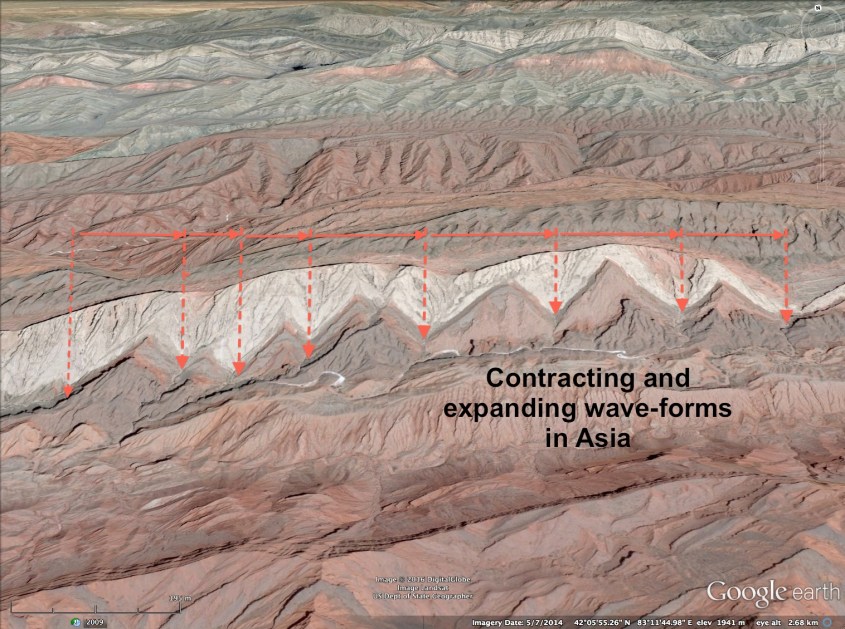
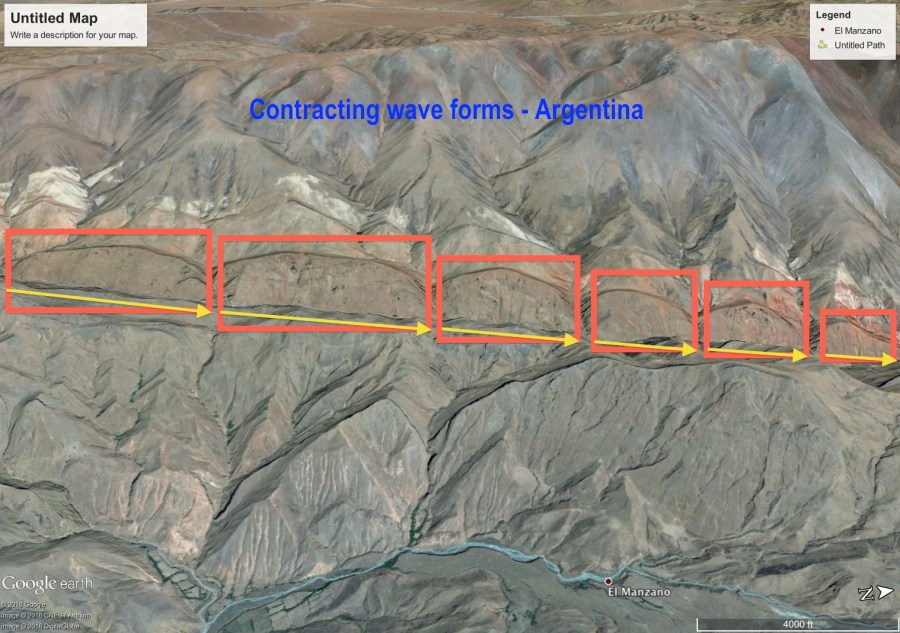
 Transients in wind speed, Mach angle and multiple reflections create instabilities in the wave-forms. Unstable waves segregate and fan away from each other under expansion, fragmenting the wave-forms.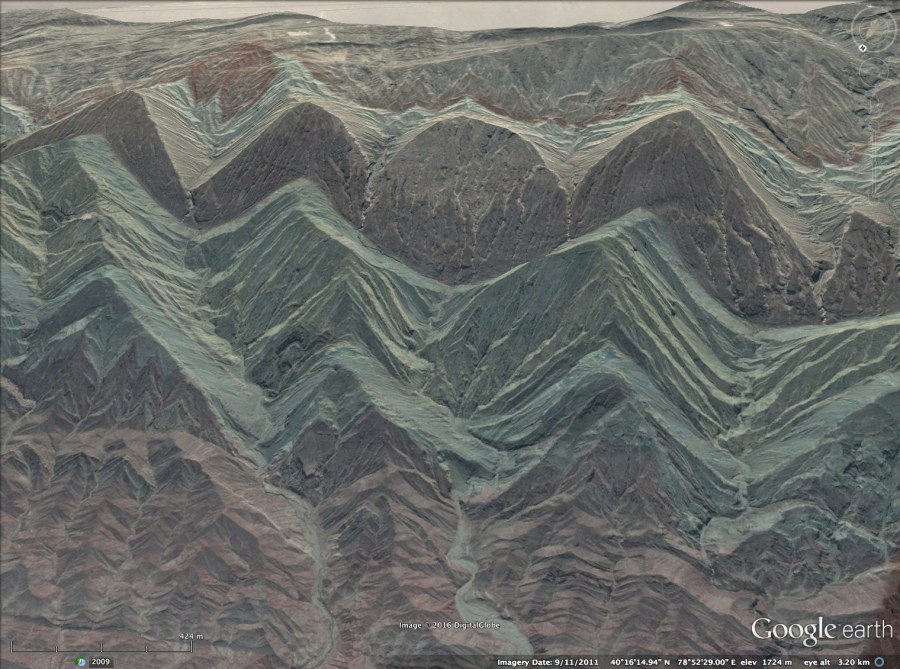

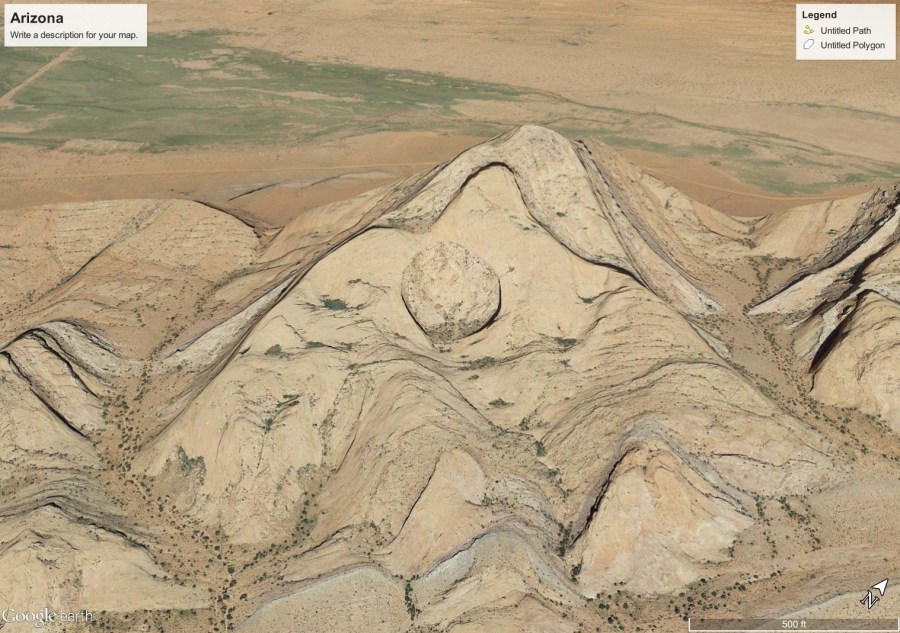

 planetary nebula and recognize the hourglass shape of plasma current contracting to form a star.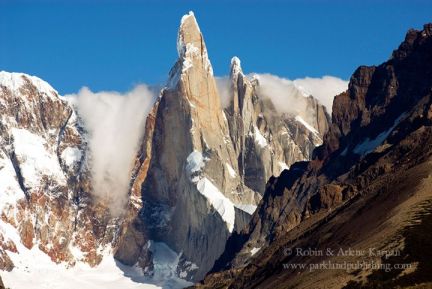
 When electrical discharge occurs in an atmosphere, it creates sonic-hydrodynamic effects. We experience the effect when we hear thunder – the sonic boom of a lighting bolt. It’s the sonic and hydrodynamic effects, in a dense, viscous atmosphere, that leave their mark on the landscape at the grandest scale.
 Region 2 is a reflected shock wave blasting into the atmosphere, pushing an exploding cloud of vaporized debris into a
  The reflected shock waves are rigid and stable when the energy is high, creating a shock ‘envelop’ over the ablated land. The energy does not dissipate quickly, because the vacuum of the mushroom cloud above is punching a hole through the atmosphere, drawing supersonic winds through the shock envelope like a cosmic vacuum. This is a source of free energy to the shock wave that keeps it alive.


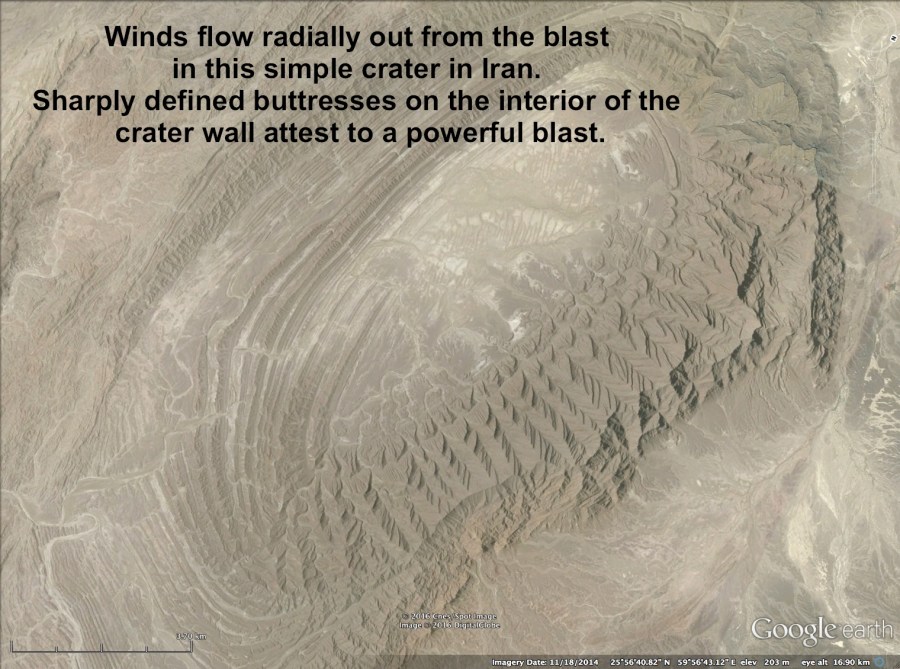


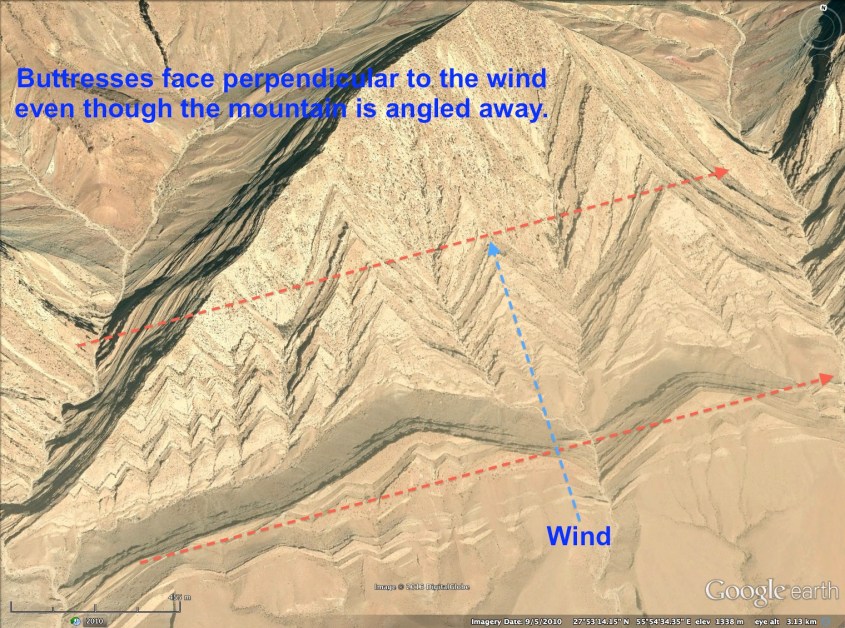
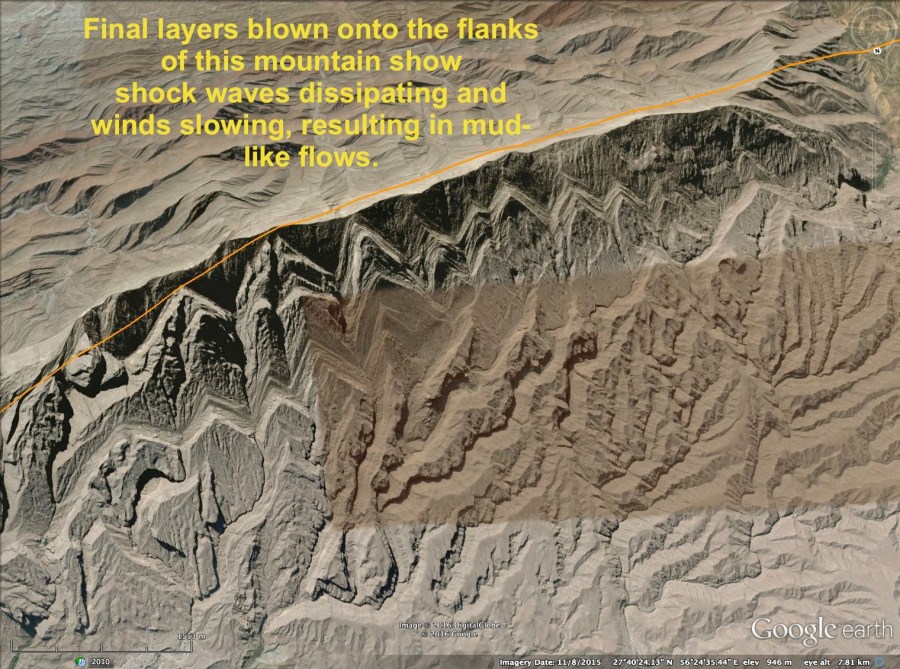
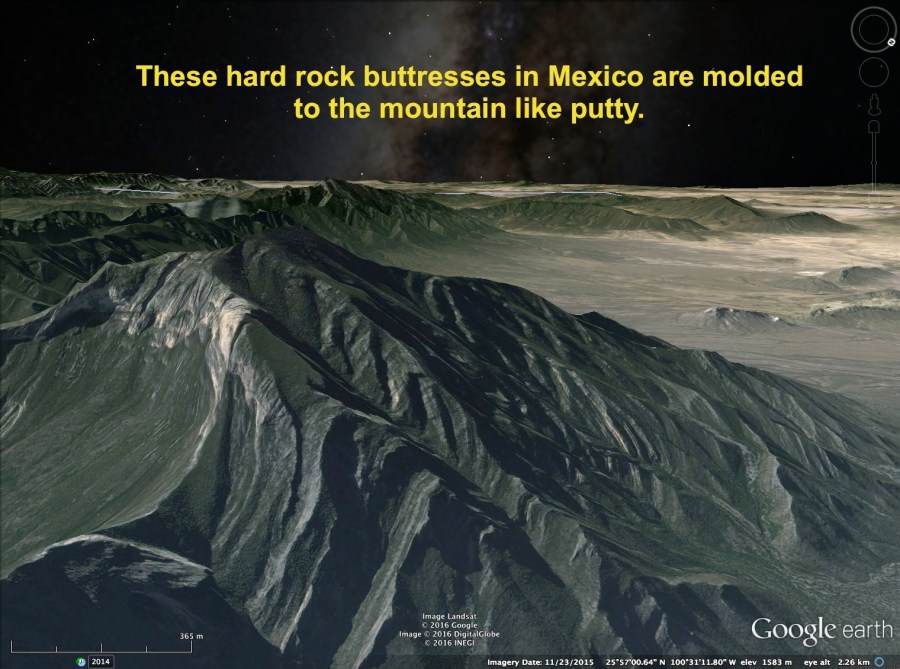
 it is called the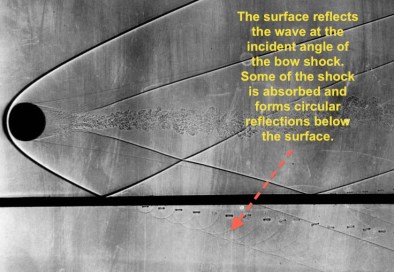
 reflects some of the shock and absorb some of the shock, as a function of its



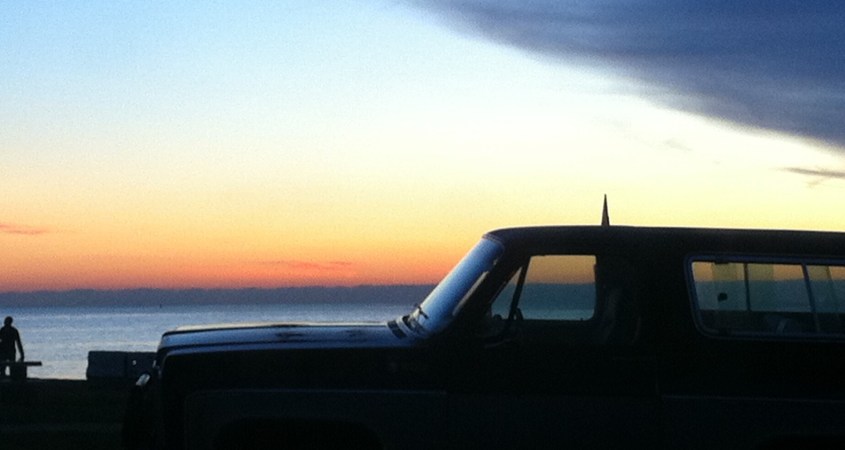
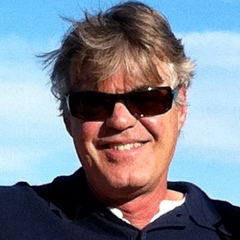 This was to be my first EU conference. As I left Tucson on I-10, the temperature was hot. Arizona in June is like Venus. Temperatures always hover above 100ºF, but when it exceeds 110ºF, it’s life threatening.
 Susan introduced me to the EU. I found Thunderbolts while surfing the web, became convinced for reasons too numerous to get into now and contacted Susan to pitch a guest blog. Susan gave me that opportunity and made everything else happen. I simply had to write what I learned and she handled the rest. Susan is the engine of Thunderbolts, but made time to make sure I was taken care of.
 Every Leo was different. Every Leo was interesting. Every Leo is my brother and sister, now, but that is getting ahead of the story. Leo came from British Columbia, Montreal, New Brunswick, Colorado, California, UK, Australia, Belarus, Germany, Tibet and at least one from another planet. Leo wore tattoos and buzz cuts; tie-dyeds and chinos; safari hats and bandanas; piercings and goatees; or in one case, a beaded, braided fu-manchu. All points on the globe, all types of people, representing a common interest in our Electric Universe.
 The young couple left. I don’t think they understood UK Leo either. He and I talked nonsense through our beers and then I left to circulate. At the bar I spotted Southern Comfort Leo. Southern Comfort Leo was someone I wanted to get to know, because I’d seen him present in a video of the previous year’s EU conference. His topic had direct bearing on mine. He held court at the corner of the bar, a place only a talkative person would take.
 As I found with all EU conference participants, they are fiercely independent thinkers who fear no topic. In this case, our conversation turned to God and the relative merits of belief in HIS existence. Dangerous ground for a late night at the bar.
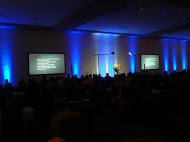 The conference room was a comfortable place. Dark, with a casual and attentive audience and the most interesting subjects to hear about, delivered by some of the most knowledgeable people in the world. What could be better. I lost myself in the ambience, surprisingly relaxed, without any building apprehension for my own talk that afternoon.
 After dinner, of course, Rich and I retired to the bar, while the sensible people went about other business, like sleep. After one drink, my brother left to meet his son in Scottsdale, leaving me with the Leo’s again. It was pretty much the same crew, UK Leo, Southern Comfort Leo, Roommate Leo and me. Many other Leos were there, too.
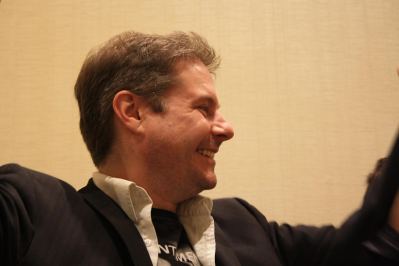 The day had been hot and it began to take its toll. People drifted away to bed, leaving only dead-enders. You know us by now. Leo and I had both shifted from beer to vodka at this point, so my recollection may be out of sequence. What I recall is that Leo began speaking gibberish.
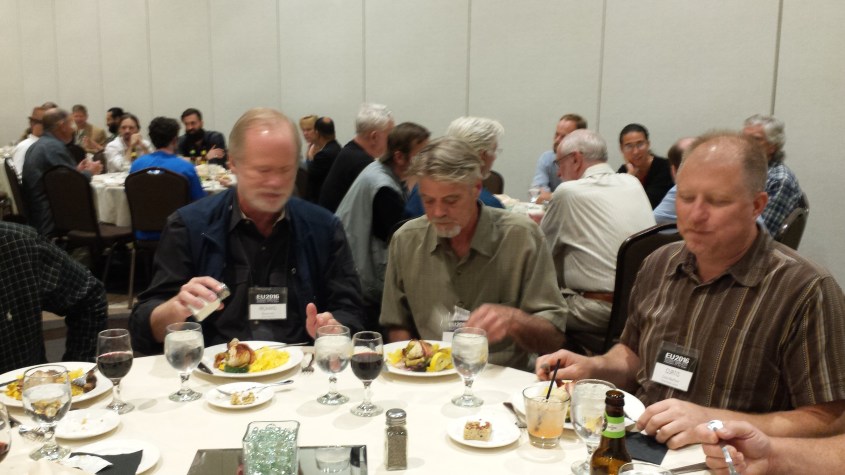 After the banquet there was a gathering at the bar. I happened to join in. Imagine that… Leo was there, too. All of the Leos, in fact. This was the big finale. It wound down as the sun rose and it was too late, or perhaps too early…whatever, to buy beer at the Circle K. I spent my time engrossed in conversation with a charming Leo from UK, this one a female, about documentary film making.
 There is a mathematical rule that relates the number of people in a party to the time it takes that party to actually do anything. It is called the ‘milling factor’. The more people there are, the larger the milling factor becomes by logarithmic scale. If there are enough people, the milling factor will prevent anything from happening and the situation devolves to chaos. With well over twenty people the milling factor was enormous.
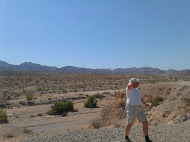 Some folks refer to this as ‘herding cats’. I disagree. Cats tend to scatter and move. High milling factor creates a kind of paralysis where people just stand and stare at each other, waiting for someone else to make a move. Milling has a more bovine nature to it. My BIG coffee was almost finished when the vans actually started rolling. Now I had to pee. I held on because I wasn’t about to run inside when everyone else was finally ready, so we took off on the Geology tour.
 He was bundled in the back of a van to re-hydrate and sleep, while someone else took over command of his car, now driving on a spare. We spent a couple of hours getting a new tire for Leo in-the-car-ahead and ended up split into two groups somewhere in Verde Valley because of lunch preferences. We regrouped in Oak Creek Canyon, just past Sedona. Here, everyone cooled their feet in the water under the shade of cottonwoods at Oak Creek’s shore.
 After that first devastating day of heat, others began to notice – in addition to how bad I smelled – how I always parked in shade if I could find it, or aim the car away from the sun so the seats didn’t blister my ass when I got back in. At 120ºF, a car’s interior surfaces exposed to sun can reach 195ºF. By comparison, pork is considered safe to eat at 145ºF. I don’t comb my hair either, otherwise I’ll get a sunburned part. Tricks of the desert rat.
 Michael understood and looked at landscape in a way no one else had really captured. His inspirations inspired many more. We came to spread his ashes at the Southern Rim of the Grand Canyon. Herr Leo had selected Geology Point as an appropriate place. It was.
 I spoke with Michael’s friends about the formation of the Grand Canyon. I agree with Michael’s assessment, in general. The canyon was carved by an explosive current locked to the river’s channel. I’d looked into, and written about breccia pipes; karst-like formations of broken rock that fill vertical tunnels emanating from a limestone formation above the inner gorge. These breccia pipes emerge from the ground all over the south rim, concentrated along the rim and even split open in places along the canyon wall.
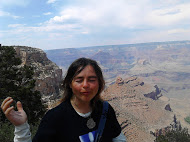 We crossed the Little Colorado and skirted the Navajo Nation, heading north. At Cameron, Arizona we stopped for lunch. It made sense, since one of our Leo’s was named Cameran-Leo; wrong spelling, but close enough to earn a sandwich. This was also where I departed, leaving to drive home to Tucson through the best part of Arizona, Highway 191. I’ll tell about that in a moment.
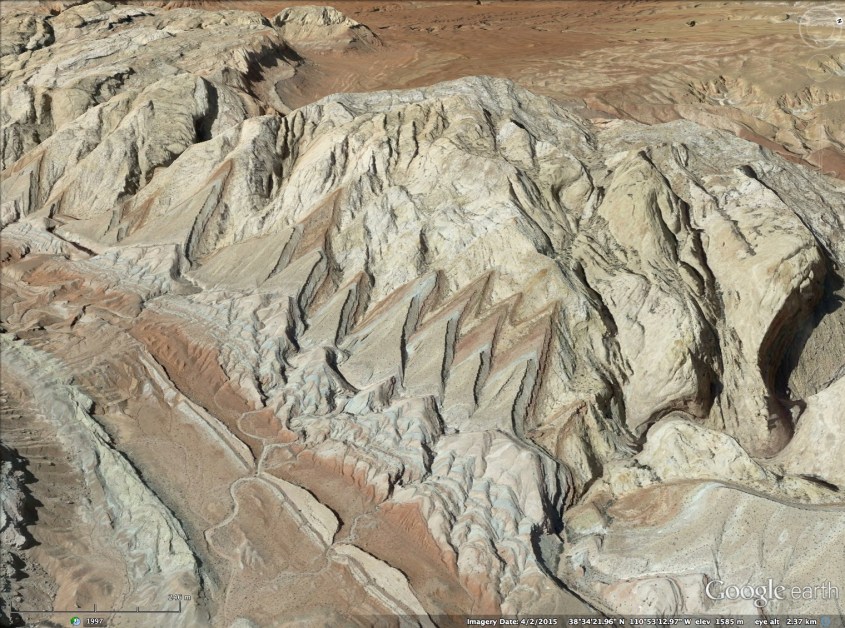
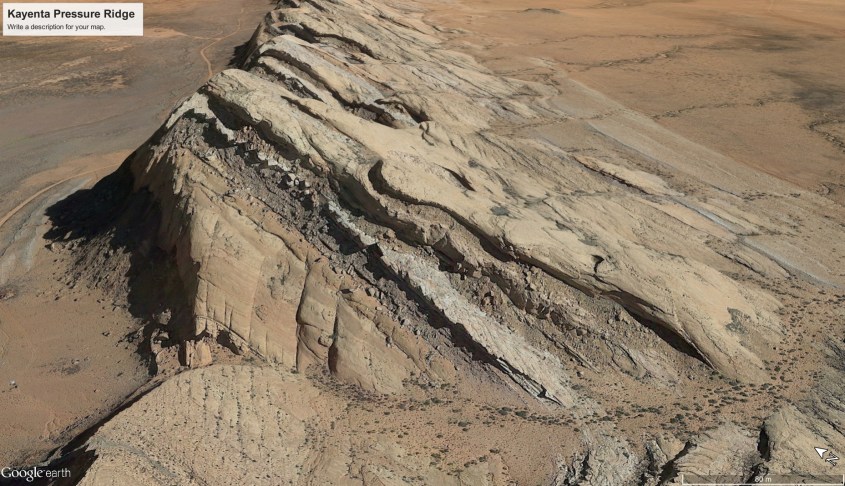
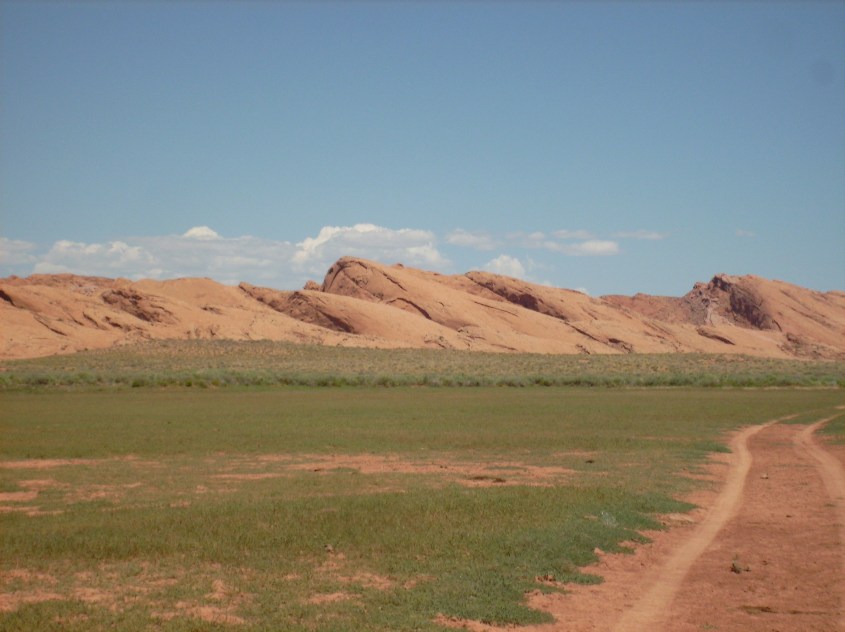
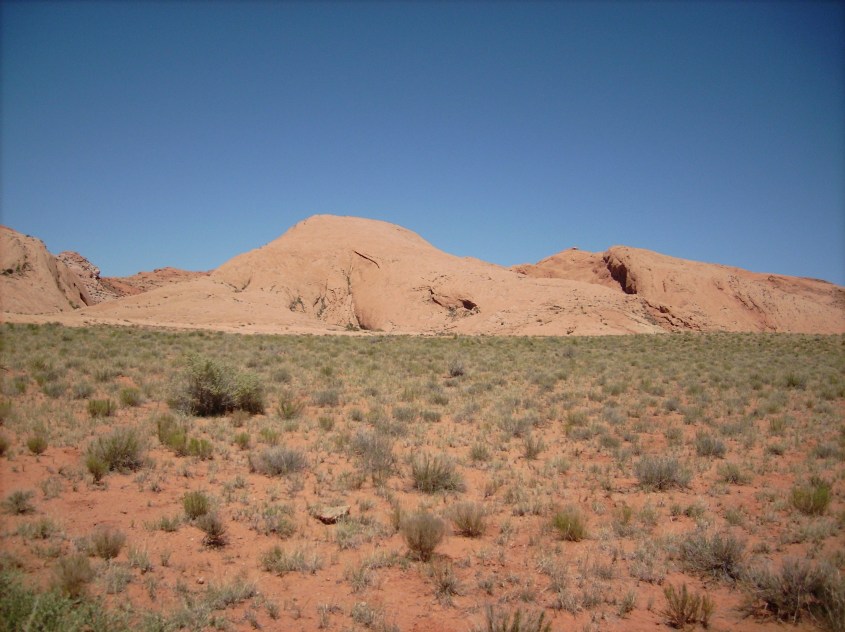
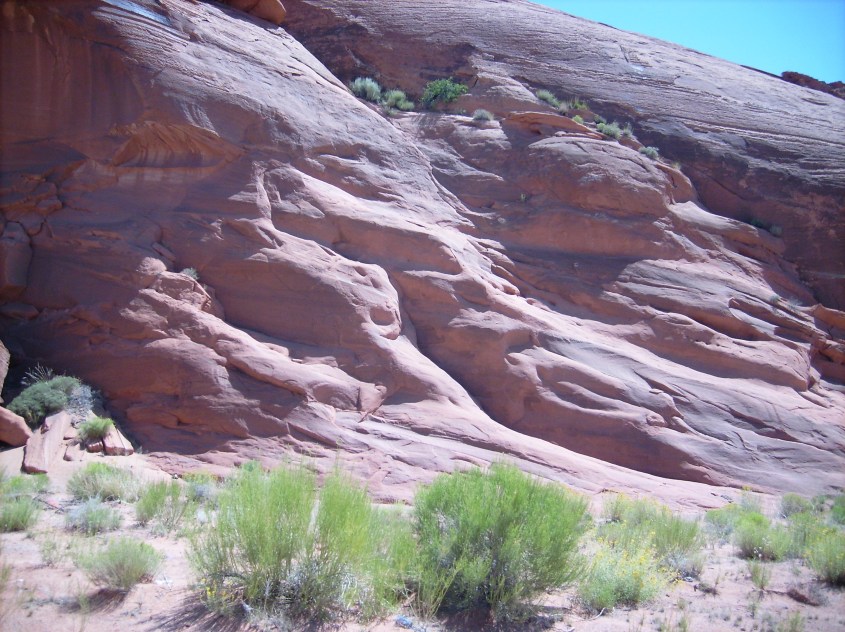
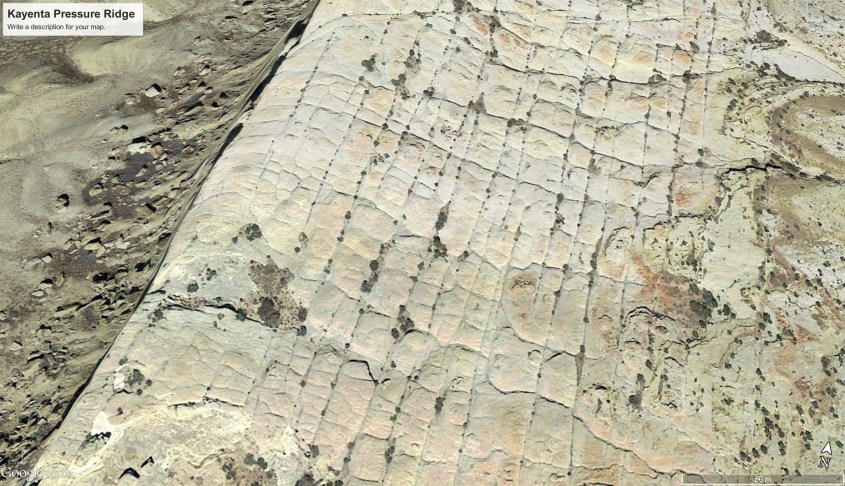
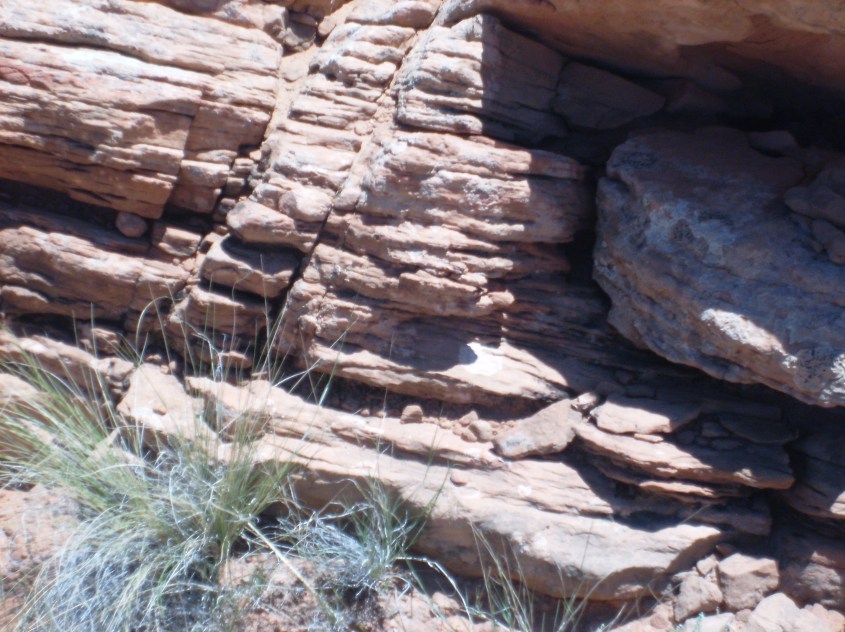
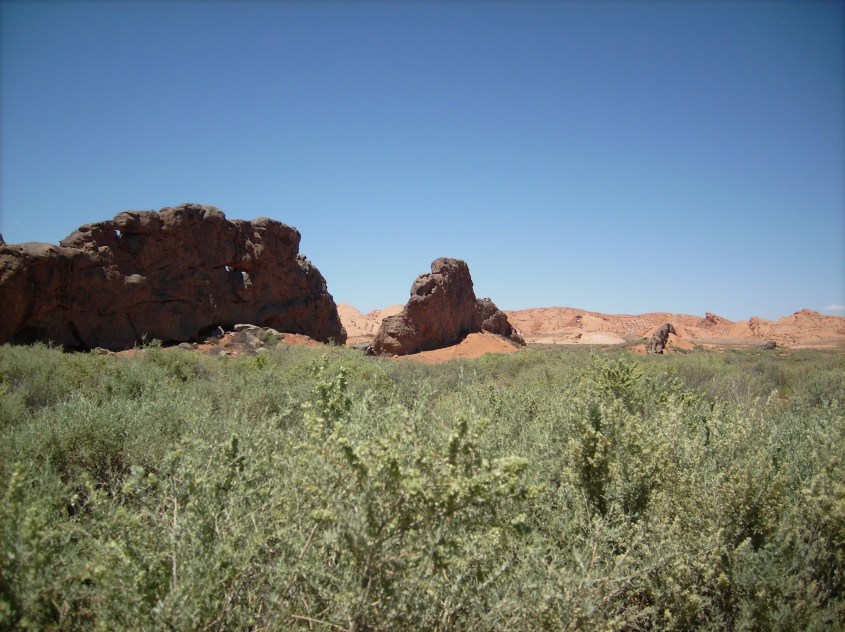
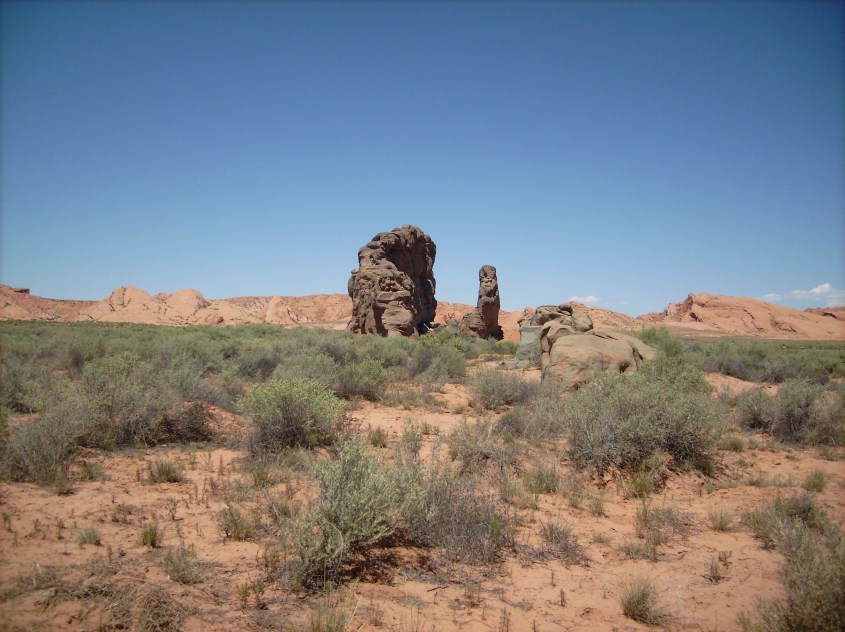
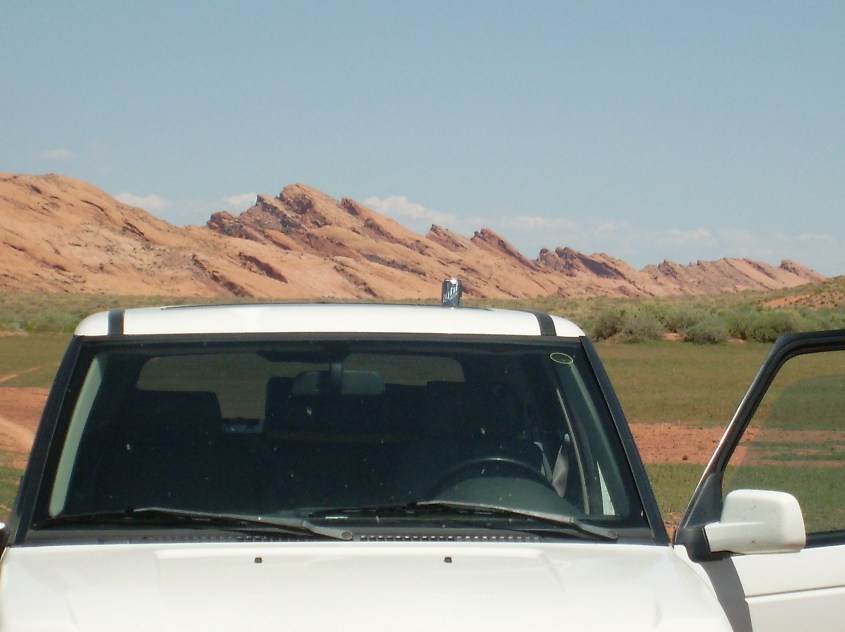
 As the StRange Rover hummed along, the sun began to set on a landscape I could only imagine had been etched. Magnificent undulating, layered and cap-rocked dunes scalloped and gouged around the edges. A different electrical scarring than I’d been studying. Something to look into in the future.
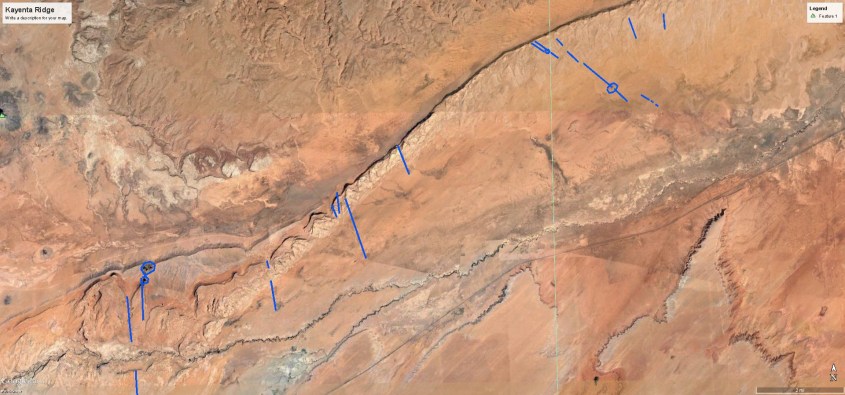
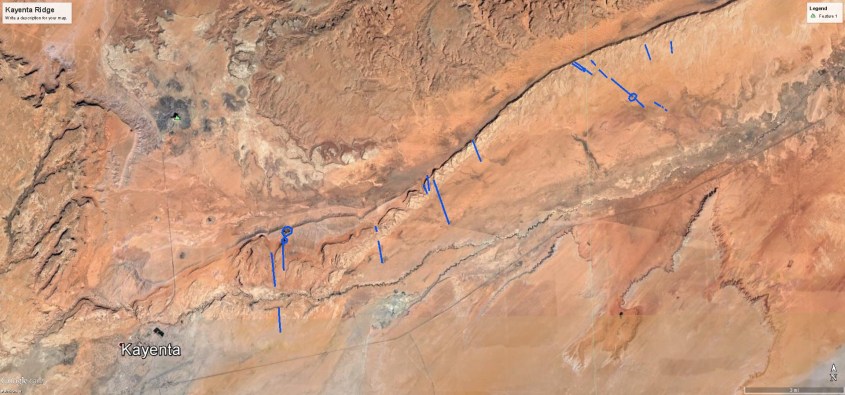
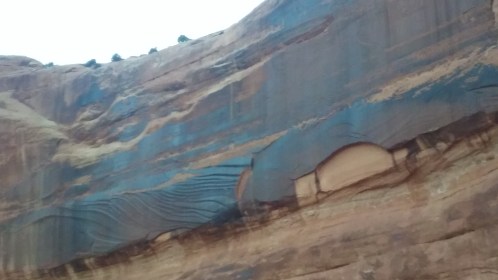
 Near Kayenta is where Dave Talbott’s photo of a petroglyph was taken. The one Tony Perratt identified as a plasma instability – rock hard evidence of an aurora in the ancient sky that our ancestors witnessed. I marveled to myself that his paper had been published over a decade ago and so few people had even noticed. Yet it gave up so much truth. It was the very thing that had brought me to look into EU.
 They were either hiding from something from above, or below – lightning perhaps, or a swarm of hungry bigfoot (cannibal demons in the native Hopi) come down from the San Juan’s. I don’t know which yet, but I’m going to Tsegi some day to figure it out and write a novel about it.
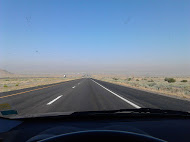 After a night in a cheap motel along I-40, where I closed thick drapes and slept late, I departed on my final day. This I knew would be an epic drive. Highway 191 (renamed because Highway 666 seemed to disturb some people) runs down the eastern edge of the State. It is an age-old corridor for migration and trade. The Anasazi traded with the Aztecs along this route. It led to the region’s giant center of trade, Chaco Canyon. The Puebloans retreated on this route during the diaspora.
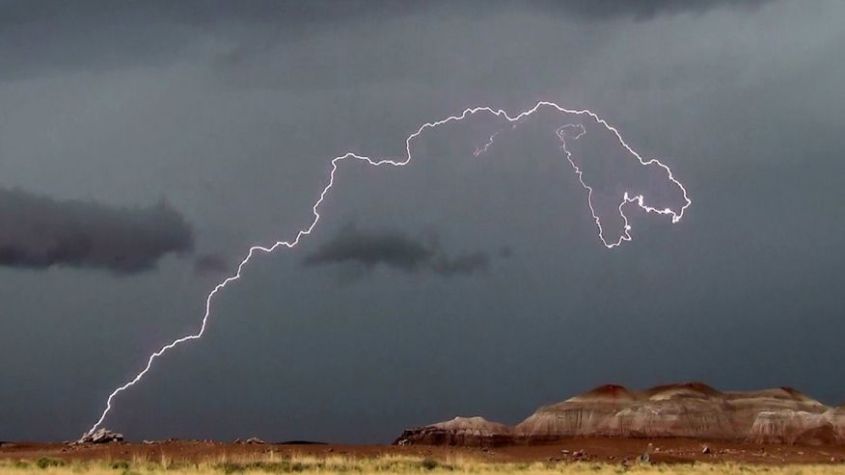
 A few miles further up the road, I passed volcanic cinder cones and rode over vast lava flows. On the lava flows, lightning began to strike. It flashed with an almost constant frequency, close enough to hear the peel of thunder, but far enough to enjoy the show. I pulled to the side on a hill and lowered my tailgate to watch – the reason I drive the StRange Rover is it has a classic drop-down tailgate – essential for such moments. I also celebrated Michael’s green thumb again as I watched the lightning strike and listened to the thunder. It was a fitting spectacle to end the journey and my formal introduction to the Electric Universe.
 Update: Leo is now engaged to Leo. I have confirmation, so feel free to announce it. And I thought I was having fun…apparently not as much as those two.
 The Daily Plasma